TR32 Trapezoidal Lead Screw Cost-Effective Linear Motion Solution for Light-Duty Automation

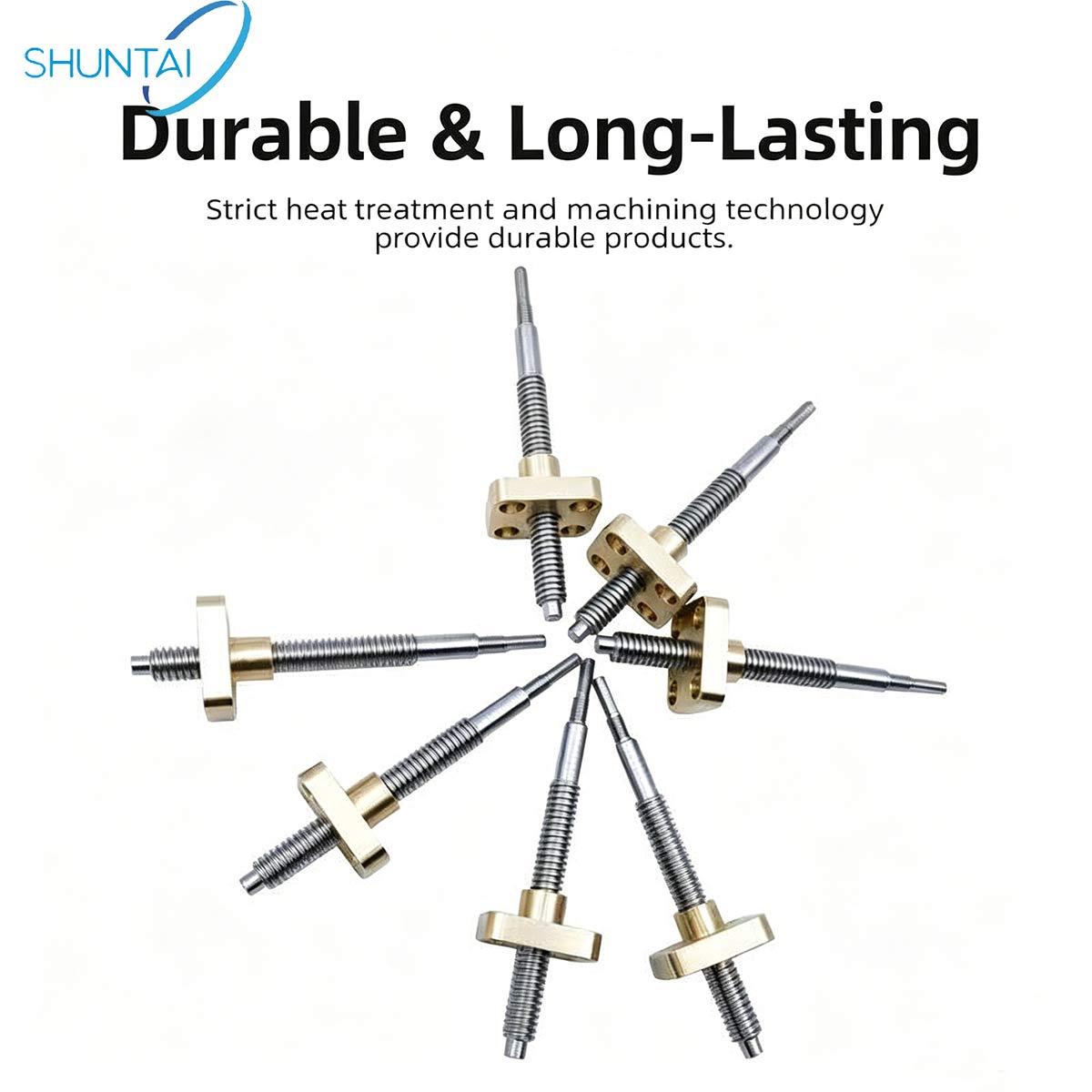
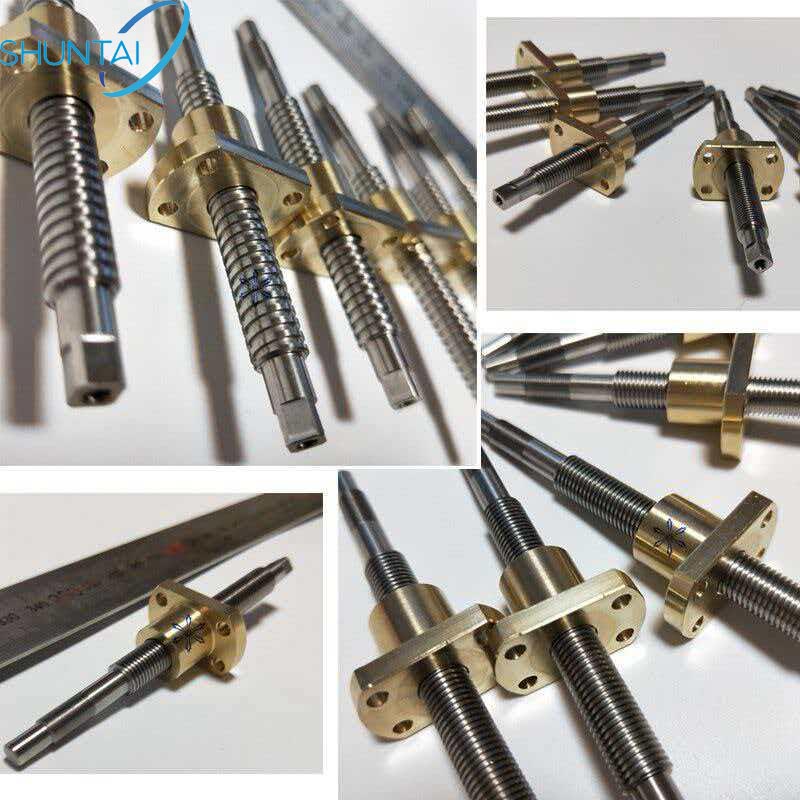
When you need a reliable, budget-friendly component to convert rotary motion into linear movement for your machinery, trapezoidal lead screws stand out as a classic choice. Our CNC machined TR32 trapezoidal threaded screw paired with bronze nuts delivers stable force transmission, ideal for low-speed, light-load industrial automation projects.
Trapezoidal lead screws consist of a threaded shaft and matching trapezoid-profile nuts. The symmetrical isosceles trapezoid thread cross-section enables the nut to slide axially along the screw as rotation occurs, creating smooth linear displacement without complex rolling structures. Unlike ball screws that rely on circulating steel balls, trapezoidal screws operate via direct sliding contact between the shaft and nut.
Key Specs of Our TR32 Trapezoidal Screw Assembly
Our Shuntai TR32 trapezoidal screw assemblies are built for consistent performance, with clear customizable parameters to match your equipment demands:
Parameter Details
Product Name Trapezoidal Lead Screw (TR32 32mm Series)
Brand Shuntai
Raw Materials GCr15 bearing steel for screw shaft; Bronze / Brass for matching nuts
Production Process Rolled thread & precision ground thread options
Core Advantage Extended service life, wear-resistant bronze nut
Lead Time 7-day fast production for standard sizes
Shipping Port Shanghai, flexible global sea & air freight support

Pros & Cons of Trapezoidal Lead Screws (Honest Comparison to Ball Screws)

We share transparent performance characteristics to help buyers select the right linear motion part for their use case:

Main Advantages

  1. 1.Low manufacturing & procurement cost
     
    Trapezoidal screws feature simplified machining workflows, making them far more affordable than precision ball screws. Perfect for small-batch machinery, DIY automation, conveyor systems, and low-budget equipment builds.
  2. 2.Simple, low-maintenance structure
     
    No circulating ball components mean fewer fragile parts to inspect or replace. Bronze nuts naturally resist friction wear, cutting down long-term upkeep costs for your production line.
  3. 3.Self-locking capability (standard trapezoid thread)
     
    Most trapezoidal thread designs offer built-in self-locking, which holds loads securely without extra braking parts — a valuable feature for lifting, positioning frames and adjustment stations.

Performance Limitations (For Application Reference)

  1. 1.Lower transmission efficiency
     
    Sliding friction between steel screw and bronze nut creates more resistance than ball screw rolling contact, so trapezoidal screws are not recommended for high-speed continuous operation.
  2. 2.Limited heavy-load capacity
     
    Sliding contact cannot support extreme heavy loads. Choose this series only for light to medium load working scenarios.
  3. 3.Moderate positioning accuracy
     
    Backlash and repositioning error are more noticeable compared to ground ball screws. This product is not suited for ultra-precise measuring or high-tolerance machining equipment.
  4. Common Industrial Applications for TR32 Trapezoidal Screws
  5. Thanks to their balanced cost and functionality, our 32mm TR32 trapezoidal lead screws are widely adopted across dozens of industries:
    • • Light-duty automation assembly lines
    • • Conveyor belt height adjustment mechanisms
    • • Small CNC machine auxiliary adjustment axes
    • • Medical equipment linear adjustment frames
    • • Printing & packaging machinery
    • • DIY robotic linear slides
    • • Furniture lifting & height-adjustment devices
    • For any project requiring basic linear motion, steady force transfer, and controlled production expenses, the TR32 trapezoidal screw kit with brass nut is a practical alternative to expensive precision ball screw sets.
    • Why Choose Shuntai TR32 Trapezoidal Lead Screws?
    • 1.Dual machining options: Choose rolled screws for cost savings or precision ground screws for smoother running performance.
    • 2.Wear-resistant bronze matching nuts: Bronze material greatly reduces shaft abrasion and extends the full assembly service life.
    • 3.Fast 7-day turnaround on standard TR32 sizes, with custom length, thread pitch, and end machining available on request.
    • 4.Global shipping support from Shanghai port, with flexible logistics solutions for wholesale machinery parts buyers.
    • 5.Full technical support: Our engineering team can provide dimension drawings and parameter consultation to match your machine design requirements.
    • Get Custom TR32 Trapezoidal Screw Solutions Today
    • If you’re sourcing reliable trapezoidal lead screws for your automation equipment, conveyor systems or custom machinery builds, our Shuntai TR32 series balances durability and cost efficiency perfectly.
      Click our consultation button to send your dimensional drawings, load speed requirements, and quantity demands. Our sales team will reply quickly with detailed quotations and technical recommendations tailored to your project.
Trapezoidal Lead Screws Cost-Effective Linear Motion Solution for Your Automation Projects

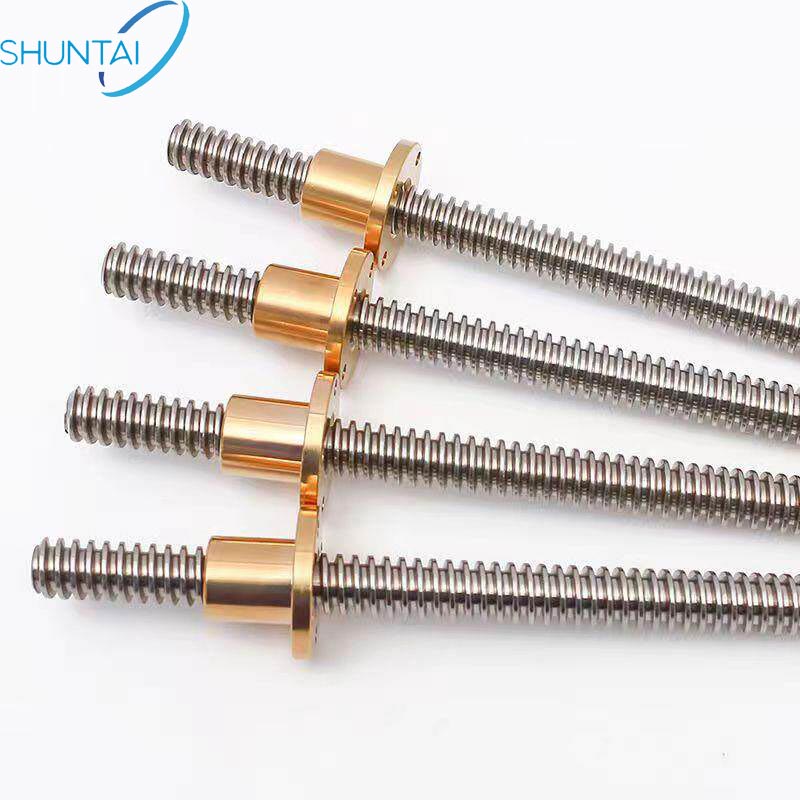
Looking for a reliable, budget-friendly linear motion transmission component for your machinery, 3D printer or lifting platform? Trapezoidal lead screws are the ideal choice for low-to-medium load, low-speed automation applications.
Unlike ball screws with complex internal circulation structures, trapezoidal lead screws feature simple T-shaped thread matching brass nuts, easily converting rotary motion into smooth linear movement. At Shuntai, we supply fully customizable trapezoidal lead screws with brass nuts, built for long service life and stable daily operation.
Core Specifications of Our Trapezoidal Lead Screws
We offer a full range of shaft diameters to match diverse equipment demands:
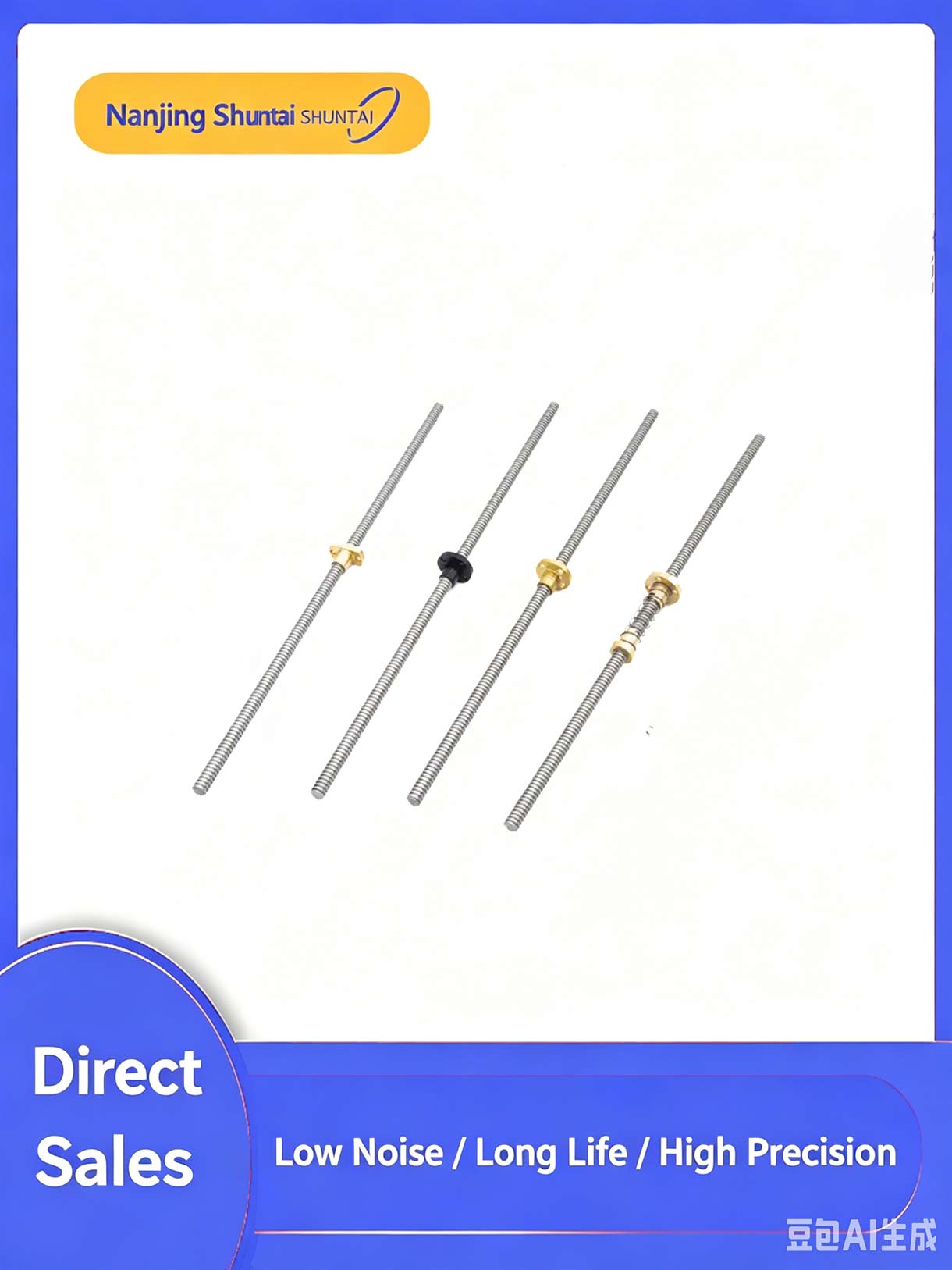
10mm, 12mm, 16mm, 20mm, 22mm, 24mm, 25mm, 28mm, 30mm, 36mm
Item Details
Product Name Trapezoidal Lead Screw with Bronze Nut
Thread Type Trapezoidal (T-thread)
Brand Shuntai
Raw Material GCr15 bearing steel, carbon steel, bronze/brass nuts
Manufacturing Process Rolled thread screws, ground precision screws
Main Advantage Extended service life, stable transmission
Lead Time 7 working days
Shipment Port

Shanghai, China

Our screws are available in two production standards: rolled lead screws for cost-sensitive general use, and ground lead screws for scenarios requiring better dimensional consistency. The matching brass nuts deliver good self-lubricating performance, reducing wear during repeated reciprocating movement.
How Trapezoidal Lead Screws Work

A complete trapezoidal screw drive system contains two core parts: a threaded screw shaft and a mating trapezoidal nut.
The trapezoidal thread features parallel spiral flanks. When the shaft rotates, torque transfers to the nut, pushing the nut to travel linearly along the screw axis.
We provide nuts in multiple styles: standard flange brass nuts, black coated anti-rust nuts, and spring preloaded nuts to eliminate backlash for slightly higher precision assembly.
Main Advantages of Trapezoidal Lead Screws
1.Lower Production CostCompared to ball screws with circulating ball channels, trapezoidal lead screws have simpler processing steps, cutting down your procurement budget significantly for medium-load projects.
2.Simple & Stable Mechanical Structure
No delicate rolling ball components inside. The solid screw-bronze nut pairing resists shock and dust, making maintenance straightforward for factory equipment.
3.Strong Self-Locking Performance
Trapezoidal thread geometry creates natural self-locking when power cuts off. This is critical for lifting platforms, vertical 3D printer axes and vertical automation slides to prevent accidental sliding.
4.Wide Material Selection for Customization
Screw shafts use wear-resistant GCr15 bearing steel or regular carbon steel; brass/bronze nuts offer inherent lubricity without frequent heavy oiling.Typical Application Scenarios
Trapezoidal lead screws shine in low-speed, medium-load linear motion equipment, widely adopted across global industries:
    • CNC machine auxiliary axes
    • Desktop & industrial 3D printers
    • Vertical lifting platforms & lifting tables
    • General automation assembly equipment
    • Medical linear adjustment devices
    • Small packaging machinery
      Limitations to Consider Before Selection
      For ultra-high speed or ultra-high precision positioning tasks, ball screws perform better. Trapezoidal lead screws have higher friction and lower transmission efficiency, so they work best for slow, intermittent operation instead of continuous high-speed cycling.
      How to Pick the Right Trapezoidal Lead Screw for Your Project
      When placing your order, evaluate 4 core factors to avoid mismatched parts:
    • 1.Load Weight: Confirm your maximum moving load to select proper shaft diameter (10mm for light loads, 36mm for heavy medium loads)
    • 2.Running Speed: Stick to trapezoidal screws if your linear speed stays low; opt for ball screws for fast continuous travel
    • 3.Position Accuracy: Ground trapezoidal screws for tighter tolerance needs, rolled screws for standard positioning
    • 4.Project Budget: Trapezoidal screws offer far better cost performance than precision ball screws

What is an edge banding machine?

What is an Edge Banding Machine? The Secret Behind Perfect Furniture Finishes 🪑✨

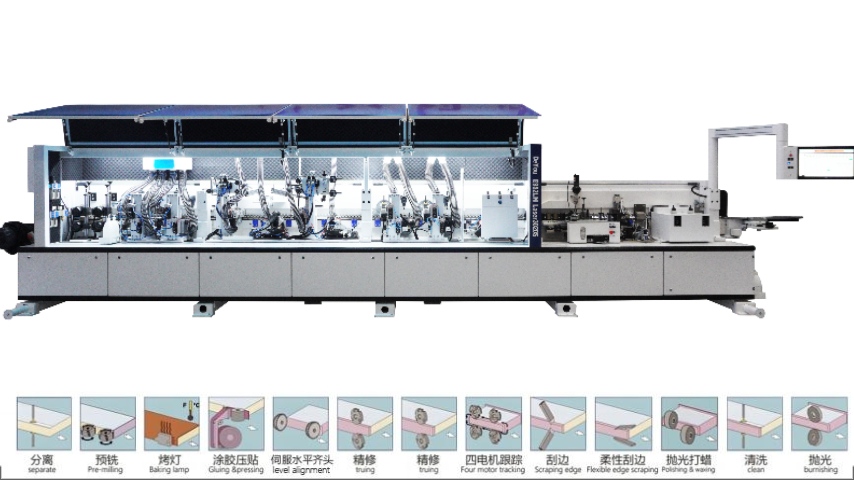
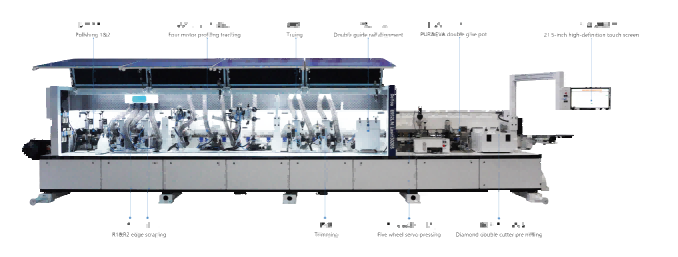
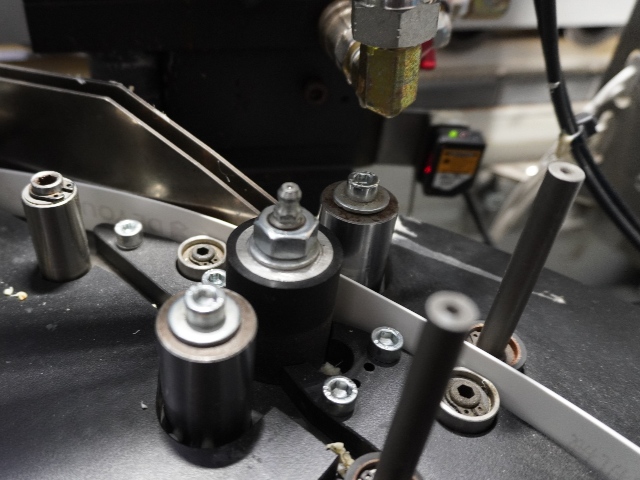
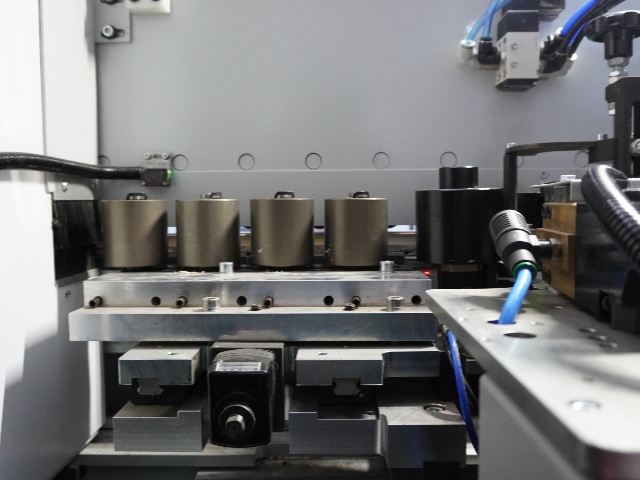
The machine that applies the edge banding is called edge bander. An edge bander bonds the edge banding to the substrate, trims the leading and trailing edges, trims top and bottom flush with the substrate, scraps any surplus, and buffs the finished edge.

Have you ever wondered how modern furniture gets those flawless, sealed edges that look so professional? The answer lies in a remarkable piece of equipment: the Edge Banding Machine. Let’s break it down! 👇


What Does It Do?

An edge banding machine is a woodworking workhorse designed to apply a thin strip of material—like PVC, ABS, wood veneer, or melamine—to the raw edges of particleboard, MDF, or plywood panels . This process, called edge banding, seals the porous edge, enhances durability, and gives the furniture a polished, high-end look

How Does It Work? 🤔

Modern machines perform a seamless, multi-step process:

Gluing: The machine applies a precise layer of hot-melt adhesive to the panel’s edge .

Banding: The edge material is pressed firmly onto the glue .

Trimming: Excess edge material is cut flush with the panel's surface using trimming units.

Finishing: Scrapers and buffing units remove any excess glue residue and polish the edge for a smooth, clean finish .

Why Should You Care?

For furniture manufacturers and carpenters, it’s a game-changer. It protects panels from moisture and damage, dramatically improves aesthetics (hiding ugly core layers), and boosts production speed. Whether it’s a semi-automatic machine for a small workshop or a fully automatic CNC-controlled line for mass production, this machine is essential for staying competitive .


The Bottom Line

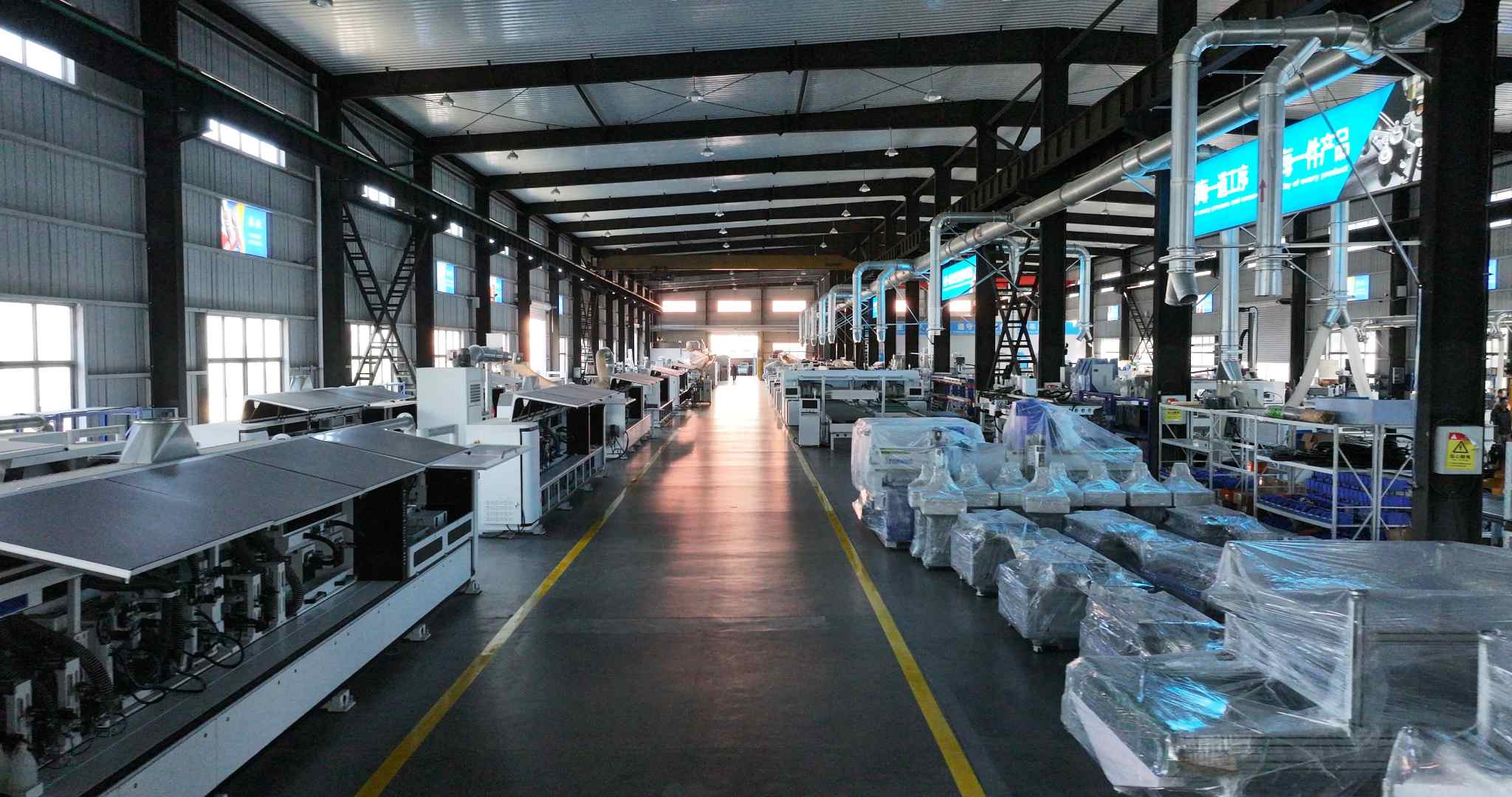
In short, an edge banding machine is what turns a simple board into a piece of ready-to-assemble, premium furniture. It’s the finishing touch that defines quality! For B2B buyers, sourcing from established manufacturing hubs (like Shandong, China) offers a winning combination of advanced technology and cost-efficiency .

Let’s build the future together. Contact us for a quote or virtual factory tour today.

WhatsApp:'+86 15358102610

📧 Email: zhouni@jsmdzn.com

🌐 Website:https://www.mdzncnc.com/ 


How to Select a Compliant API 675 Chemical Injection Pump

The core of an API 675 chemical injection pump lies in its metering accuracy, safety, and ability to withstand highly corrosive / high pressure media.


1. What is API 675?

API 675 is an industry standard published by the American Petroleum Institute (API) governing the design and manufacture of reciprocating positive displacement pumps. Its full title is “Positive Displacement Pumps—Controlled Volume for Petroleum, Chemical, and Gas Industry Services.” It establishes clear specifications regarding structural strength, material requirements, performance criteria, and testing standards for these pumps.


2. Why Choose Pumps Compliant with the API 675 Standard?

Chemical injection pumps are primarily used in the petroleum, chemical, and oil and gas industries to continuously transport highly corrosive, flammable, and explosive chemical media. Any leaks or other issues during operation could lead to safety incidents. Pumps compliant with the API 675 standard undergo rigorous scrutiny from design and manufacturing through factory testing, ensuring stable operation under complex and harsh conditions and meeting the industry’s core requirements for safety and precision.


3. API 675 Technical Specifications

The API 675 standard requires precise and controllable chemical injection rates to prevent injection deviations from affecting production, quality, and safety. At the same time, it imposes strict requirements on the materials of the pump’s pressure-bearing components and the design of sealing structures to enhance the pump’s corrosion resistance and leak-proof capabilities. Furthermore, the hydraulic end is the core component of a chemical injection pump. It is necessary to select corrosion-resistant alloys of appropriate grades based on the characteristics of different media and to meet pressure margin requirements, ensuring that corrosion perforation or structural damage does not occur during long-term high pressure delivery.


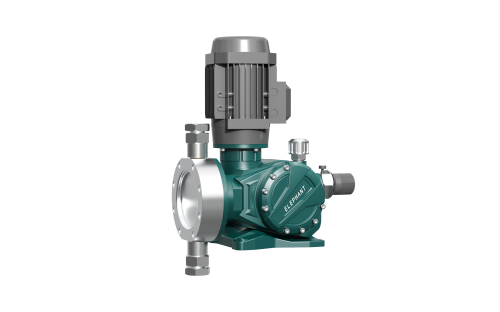
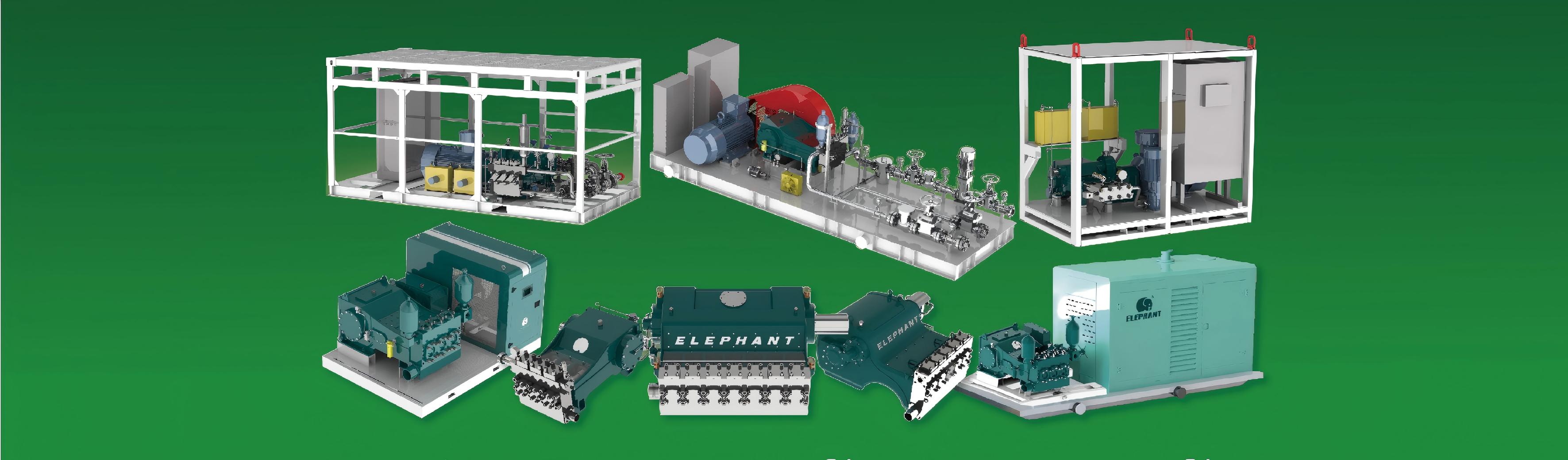
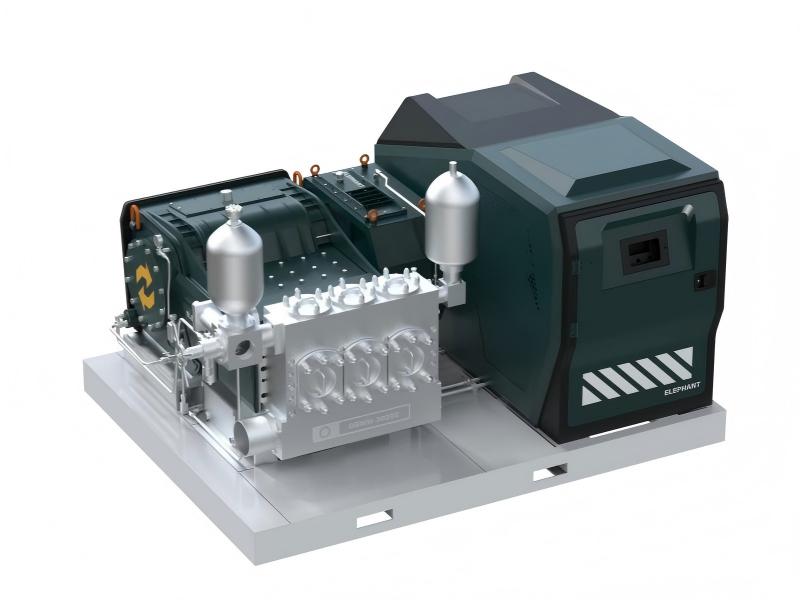
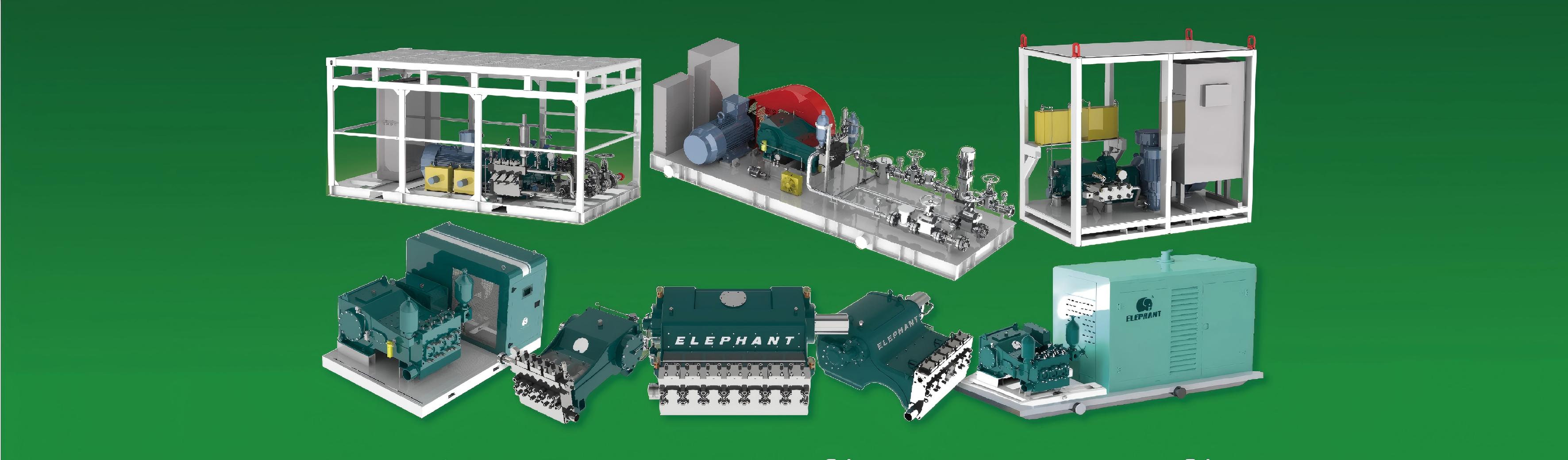
A chemical injection pump compliant with API 675 standards can enhance project efficiency, reduce long-term operational and maintenance costs as well as safety risks, and meet the requirements for transporting hazardous media in the oil and gas and chemical industries. Elephant Machinery specializes in the manufacture of metering pumps, reciprocating plunger pumps, and piston pumps, and can also provide customized turnkey solutions.

Intelligent Control System for Well Service Pumps

In oil and gas operations, the well service pump plays a central role. Its operational stability and pressure output precision directly determine the efficiency and safety of key procedures such as well killing, cementing, and fracturing.


1. Why Intelligent Control Systems Will Become an Industry Trend ?

Traditional well service pump control systems rely on manual adjustments, making it difficult to precisely match operational requirements in real time. Operational errors can increase risks, shorten equipment lifespan, and raise operating costs. As oil and gas extraction expands into more complex operating conditions, demands for faster dynamic response times and higher precision in parameter control have grown. Intelligent control systems collect real-time data via sensors, analyze changes in operating conditions through algorithms, and automatically adjust parameters to ensure stable and safe operations while reducing labor requirements and energy consumption.


2. Core Value of the Intelligent Control System

The intelligent control system uses algorithms to dynamically monitor abnormal fluctuations and automatically intervenes to adjust parameters or initiate an emergency shutdown when parameters exceed safety thresholds. It automatically matches optimal operating parameters based on changes in underground conditions, reducing energy waste and human adjustment errors. Faced with the demands of underground operations at varying depths and under different geological conditions, the intelligent control system responds rapidly to changes in operating conditions, precisely adjusting pressure output and operating parameters to meet the precision requirements of complex mining scenarios and adapt to diverse operational needs.


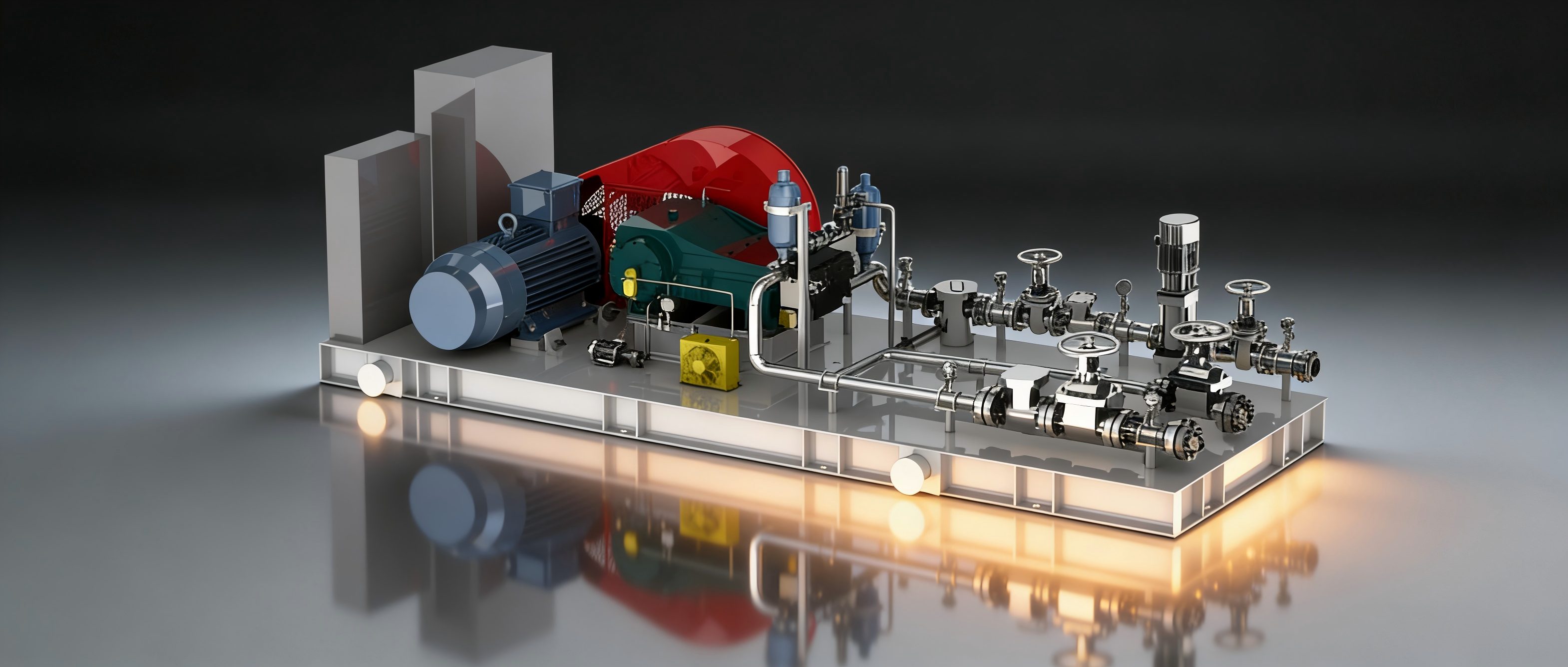
As a professional manufacturer with years of experience in reciprocating pump manufacturing, Elephant Machinery designs its Well Service Pumps in strict accordance with the API 674 standard. Whether triplex or quintuplex, all pump units can be equipped with our self-developed intelligent control system.

Triplex vs. Quintuplex High Pressure Pumps

In oilfield water injection and industrial cleaning, high pressure pumps are key equipment. Among them, triplex pumps and quintuplex pumps are the two most widely used types of plunger pumps today.


1. Core Differences

From a structural and basic performance perspective:

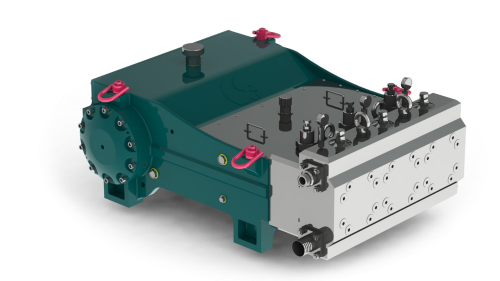
Triplex high pressure pumps have a simpler structure, fewer components, and relatively lower manufacturing and maintenance costs. At the same output pressure, they are more compact, lighter, and offer better adaptability. However, they have higher flow pulsation, resulting in greater vibration and noise during operation.

Quintuplex high pressure pumps, with a greater number of plungers and higher alternating frequency, deliver smoother flow output and lower pulsation, leading to less vibration and noise. However, their structure is more complex, requiring higher precision in machining and assembly, which leads to higher overall costs.


2. Application

Triplex high pressure pumps are more suitable for mobile, small-to-medium power applications, such as industrial cleaning and pipe unblocking. These scenarios are highly sensitive to equipment portability and cost, with relatively low requirements for flow smoothness. The triplex pump helps control both cost and weight.

Quintuplex high pressure pumps are preferred for continuous industrial applications with high stability requirements, such as high pressure water jet cutting, oil and gas extraction, and continuous chemical pressurization and transfer. In these scenarios, long-term stable pressure and flow output are critical. The lower pulsation of quintuplex pumps ensures operational precision, while reduced vibration extends equipment life and lowers maintenance frequency.


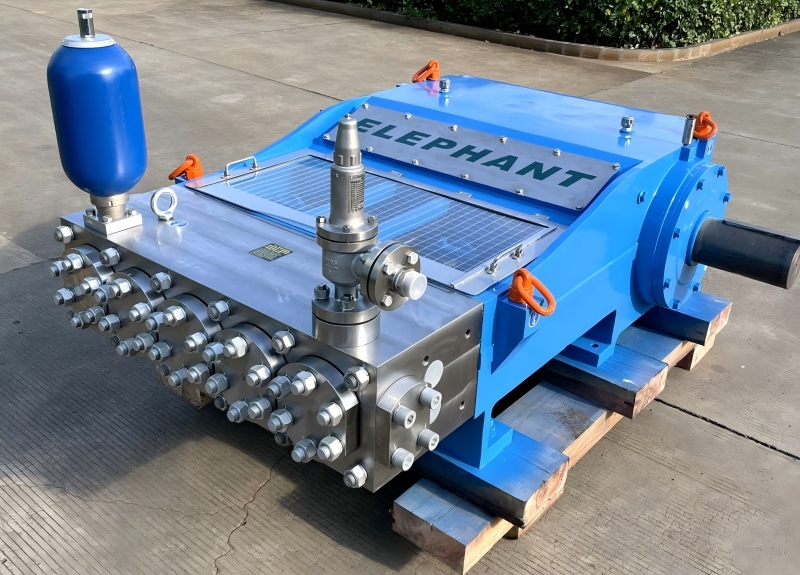
Triplex pumps offer the best value for money and can meet the needs of routine operations; quintuplex pumps are suitable for applications that demand high operational precision and extended equipment lifespan. Regardless of the type of reciprocating pump you need, Elephant Machinery can provide it and customize complete pump stations for you.

Custom Reverse Osmosis Pump Manufacturing

Reverse osmosis technology is a key process in the fields of industrial water treatment and fluid transfer. Given the complex operating conditions, the manufacture of customized high pressure reciprocating pumps is increasingly becoming the preferred choice.


1. Core of Customized Reverse Osmosis Pumps

Precise design can be carried out based on the medium, flow rate, pressure, and on-site installation conditions of different projects. Special treatments can be applied for specific media, such as high-salinity or highly corrosive media, by implementing special anti-corrosion measures for components to avoid long-term operational leakage caused by corrosion. By increasing the number of cylinders (triplex, quintuplex, or septuplex), the high pressure operation and continuous, stable working requirements of the reverse osmosis system can be met. The stroke and rotational speed can be precisely adjusted to match the output flow and minimize flow fluctuations. In addition, the pump's dimensions and connection sizes can be adapted to the installation scenario, enabling the customized pump to fit seamlessly into the existing system layout, thereby reducing on-site modification costs and complexity.


2. Intelligent Unattended System

This system continuously monitors the operational status of pump units in real time, automatically collects key operational parameters such as pressure and flow rate, and transmits this data to the control platform for analysis. When parameters deviate from preset thresholds, the system automatically adjusts settings and triggers alerts, eliminating the need for manual on-site troubleshooting. This reduces labor costs, improves response times to malfunctions, ensures the stable operation of reverse osmosis systems, and meets the intelligent operational requirements of large-scale water treatment projects.


Elephant Machinery is a professional manufacturer of reciprocating pumps, specializing in providing single pumps and complete pump station solutions to customers worldwide. We have extensive experience in custom R&D and a proven track record of successful engineering projects. We invite you to contact our engineers with your technical specifications to receive a customized fluid handling solution. 

Efficiency Advantages of Triplex vs. Quintuplex Reciprocating Pumps

High pressure reciprocating pumps are essential equipment for ensuring stable operating pressure and flow rates in applications such as oilfield water injection, industrial cleaning, and high pressure water jetting. Thanks to their structural design, triplex plunger and quintuplex plunger reciprocating pumps demonstrate significant advantages in operational efficiency compared to traditional multi-plunger low-flow pumps.


1. Triplex Plunger

First, it features a simple and compact structure, low daily maintenance costs, and minimal energy loss. Second, with its long stroke and large diameter, it can deliver high flow rates at low reciprocating frequencies, reducing the number of cycles per unit time. This lowers the frequency of erosion and wear on vulnerable components and minimizes mechanical energy loss from frequent directional changes, enabling stable and high operational efficiency in medium- to high-power, high-flow, and high-pressure applications. Pressure pulsations are easily controlled, eliminating the need for complex pulsation damping devices. This avoids additional energy loss and enhances overall operational efficiency.


2. Quintuplex plunger

Lower flow and pressure pulsations. Compared to triplex plunger pumps, quintuplex plunger pumps reduce the amplitude of pressure and flow pulsations, resulting in a smoother high-pressure output. Furthermore, quintuplex plunger reciprocating pumps can achieve the same flow rate with a shorter plunger stroke and higher reciprocating frequency, resulting in a more compact and lightweight pump design. Additionally, due to their low pulsation characteristics, quintuplex plunger pumps can meet pressure stability requirements in applications involving fine-tuned high-pressure operations and high-precision flow control without the need for large-volume buffering devices.


For small to medium flow rates and intermittent operating conditions, a triplex plunger pump is a suitable choice. For large displacement, high pressure, and 24/7 continuous operation — such as large-scale oilfield flooding injection, high-flow high-pressure cleaning, and reverse osmosis seawater desalination — a quintuplex pump is the optimal solution. Elephant Machinery is committed to providing you with complete high-pressure fluid solutions, including triplex pumps, quintuplex pumps, and intelligent unattended systems.

Intelligent Injection Pump – The New Benchmark for Reciprocating Pumps

In modern industry, reciprocating pumps have become core equipment for key processes such as water injection, chemical injection, and crude oil transfer due to their high pressure, high efficiency, and high precision. With the arrival of the Industry 4.0 era and the "dual carbon" goals, intelligent reciprocating pumps are gradually replacing traditional reciprocating pumps.


1. What Is an Intelligent Reciprocating Pump?

Intelligent reciprocating pumps are equipped with sensors at key locations—such as the pump body, power end, and hydraulic end—to collect and analyze core operating parameters, including pressure and flow rate, in real time. They can automatically adjust flow rate and pressure to match operational requirements. These pumps support multi-point remote monitoring with real-time data synchronization, enabling remote start/stop, speed control, and data retrieval. Additionally, they provide early warnings and perform automatic fault diagnosis, eliminating the need for frequent manual inspections and adjustments.


2. Advantages of Intelligent Injection Pumps

In terms of production efficiency, intelligent injection pumps do not rely on manual parameter adjustments; instead, they automatically adjust parameters based on operating conditions, resulting in faster, more precise, and more stable performance. Regarding operating costs, intelligent injection pumps are equipped with alarm systems that can predict potential issues, facilitating proactive maintenance and reducing operational losses and labor costs. From an environmental and energy-consumption perspective, intelligent injection pumps can adjust output power in real time to match operating conditions, avoiding wasteful and inefficient energy consumption, thereby helping enterprises achieve their energy-saving and carbon-reduction goals.


3. Applications of Intelligent Injection Pumps

Oilfield Water Injection

Chemical Injection

Water Treatment


Intelligent injection pumps represent not only an upgrade to reciprocating pump technology but also an inevitable trend in the field of fluid control amid the Industry 4.0 revolution. Elephant Machinery has taken a solid step toward digital transformation and the construction of smart factories. If you have any needs for intelligent reciprocating pumps, please feel free to contact us at any time!

Application of Forced Mixer Technology in Concrete Brick Making Dual Improvement in Uniformity and Production Efficiency

In today's continuously developing construction industry, concrete bricks, as a basic building material, directly affect the safety and durability of projects. The core factor determining brick quality is the material mixing process. Forced mixers, with their superior uniform mixing capabilities and high-efficiency production characteristics, are gradually becoming core equipment on modern concrete brick production lines, driving the industry to achieve breakthroughs in both uniformity and production efficiency.


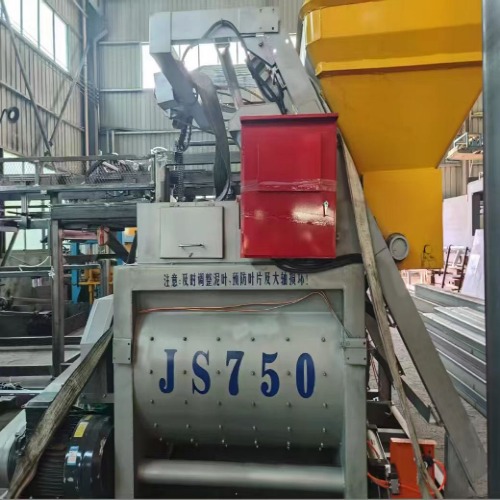
I. Forced Mixers: The Working Principle of Concrete Homogeneity

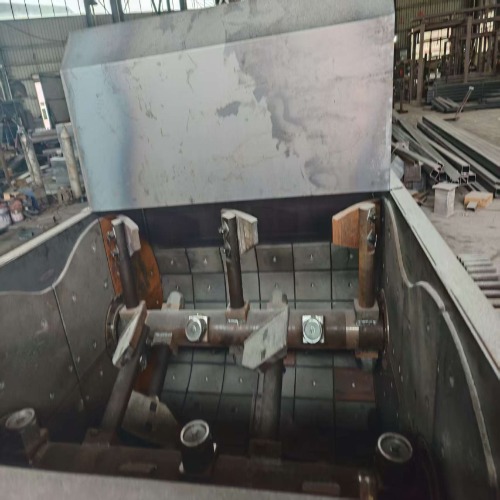
The core logic of forced mixers is simple yet powerful: by applying a combination of shearing, squeezing, tumbling, and throwing actions to the materials through rotating blades, the direction of material movement is forcibly changed, forming cross-flows, allowing the components to achieve uniform mixing in a very short time. Unlike the "passive mixing" achieved by gravity-fed mixers, forced mixers involve "active intervention"—the blades rotate at a high speed of 47-55 rpm, comprehensively "kneading" the raw materials such as cement, sand, gravel, and fly ash within the mixing drum. Some advanced models employ a planetary mixing mode, where the mixing blades move along planetary trajectories. The superposition of rotation and revolution ensures the mixing trajectory covers the entire mixing drum, achieving omnidirectional mixing without dead angles and a mixing uniformity of over 95%.


II. Efficiency Improvement: Driving a Leap in Production Capacity of the Entire Brick Making Line

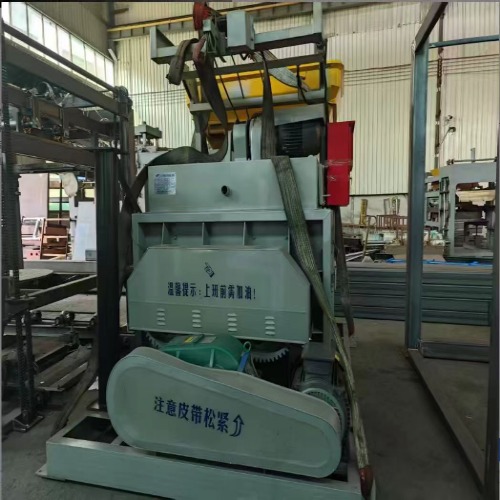
Forced mixers not only increase the speed of individual stages, but also significantly improve the overall efficiency of the concrete brick making production line through rapid mixing, stable material supply, low failure rate, and easy maintenance.


Shorter Mixing Cycle: Conventional materials can be mixed to standard in just 15–30 seconds, more than half the time of traditional mixing, quickly keeping pace with the high-frequency molding rhythm of the brick machine and eliminating the "waiting for materials" bottleneck;


 More Stable Continuous Operation: Reliable sealing, wear-resistant blades, and clean scraping prevent sticking, jamming, and grout leakage, supporting long-term continuous production and significantly reducing the frequency of downtime for cleaning and maintenance;


Stronger System Compatibility: Can achieve automated linkage with metering, conveying, material distribution, and the main brick machine, with precise cycle synchronization, increasing brick output per unit time by 30%–50%;

Lower Overall Costs: Reduced material waste, lower energy consumption, and lower labor and maintenance costs result in more prominent cost advantages in large-scale production.


III. Technological Upgrades: From General-Purpose to Specialized Customization

With the diversification of application scenarios, forced-shaft mixers are evolving from general-purpose to specialized and flexible designs. Different material characteristics place differentiated demands on mixing equipment: dry-mixed mortar requires ensuring uniform dispersion of trace additives, construction solid waste resource recovery needs to handle complex non-standard materials, and specialty mortars emphasize self-cleaning capabilities and the ease of rapid formula switching.


In the concrete brick-making industry, vertical shaft forced-shaft mixers, through modular design, achieve flexible configurations of multiple capacities, ranging from 750L to 5000L, adaptable to production lines of different sizes. Simultaneously, the application of wear-resistant materials extends the service life of blades and liners, and multi-stage shaft end sealing structures effectively prevent grout leakage, reducing equipment maintenance frequency.

  •  
  •  
  •  


IV. Industry Outlook: Technological Innovation Drives High-Quality Development

The continuous advancement of forced-shaft mixer technology has brought profound impacts to the concrete brick-making industry. On the one hand, the highly uniform mixing effect makes brick quality more stable and reliable, meeting market demands for high-quality building materials; on the other hand, efficient production capacity and flexible equipment configuration help companies respond quickly to market changes and reduce operating costs. For concrete brick making machine companies, choosing the appropriate forced mixer technology is not only a practical need to improve product quality and production efficiency, but also a strategic choice to meet diversified market demands and achieve sustainable development.