Universal testing machines (utm) play a vital role in various industries by examining the mechanical properties and properties of materials, components and finished products. These versatile machines can perform a wide range of tests, including tensile strength, compression, bending, shearing and more. Suzhou Tophung TOPHUNG's utm is designed with precision and accuracy in mind, ensuring reliable and repeatable test results. With different load capacities and flexible test configurations, it can meet the test needs of different industries. Whether you need to test metal materials, composites, solar panels, wire and cable, automotive parts or plastic products, our utm offers a complete solution. They enable you to assess the durability, strength and integrity of materials and finished products, ensuring compliance with industry standards and regulations. Universal test machines (UTMs) are critical in quality testing in various industries. Suzhou Tonghong Machinery Equipment Co., Ltd. is a reputable manufacturer, providing excellent test instruments and overall quality test solutions. With our precision, versatility and customer-centric approach, we offer reliable UTMs that enable you to make informed decisions and ensure that your products meet the highest quality standards. At TOPHUNG, we prioritize customer satisfaction and provide personalized support throughout the testing process. Our team of experts provide technical support, training and timely after-sales service to ensure a seamless experience. With our customer-focused approach and commitment to quality assurance and control, we aim to be your trusted partner for all your testing needs. From automobiles to industrial machinery, gears are crucial components in a myriad of mechanical systems. They serve the purpose of power transfer. Their manufacturing demands high precision and often presents challenges. That’s where CNC machine gear cutting comes into play. CNC machines use programmed instructions to cut gears and help achieve extreme accuracy. These eliminate manual intervention and error and ensure the required specifications. Custom designs and large-scale production can both benefit from CNC machining. There are different tools and techniques typically employed for gear machining. Some focus on rough shaping, while others concentrate on smoothing. Knowing these techniques assists you in picking the most suitable process to fulfill your requirements. CNC machine gear cutting is a subtractive process. Usually, it begins with a solid metal workpiece, from which bits of materials are removed using specialised cutting tools. The end goal is to produce gears with specific tooth profiles and dimensions. The primary difference between manual machining and semi-automatic machining is that the latter is programmed ahead of time. It guarantees consistency, even in cases of complex gear designs, due to the automation of the system. The software is responsible for determining tool positioning, cutting speed, and depth, all for maximum accuracy. Polar Coordinate Interpolation is useful for certain cutting techniques. Spur, helical, bevel, and worm gears have different cutting requirements due to their distinct shapes. CNC machines are capable of producing gears that work well with the entire mechanical system. Design engineers construct the gears, and the CAD software designs interfaces as the software builds conditions for digitized blueprints on the machines. The automated system speeds up production. Beyond that, it reduces the likelihood of mistakes. Before automation, the process of cutting gears was labour intensive. Moreover, each gear was produced slightly differently, leading to inconsistencies in performance. CNC machines ensure all gears are produced reliably and are crucial for precision in gear manufacturing. Performance-critical tasks like maximized noise, vibration, and complete machinery failure can happen with insufficient and poorly-cut gears. Virtually hundreds of gears can be manufactured with one setup and performed under minimal supervision. This efficiency lowers costs while adhering to factory quality standards. Not limited here, CNC machine gear cutting leads to a minimized amount of material waste. The software calculates the most efficient route that can be taken to cut, making sure raw materials are used effectively. Besides, it makes CNC machining practices environmentally friendly. Because the costs are cut and sustainable practices are boosted. The modern manufacturing industry utilizes various CNC machines for gears manufacturing. CNC milling machines operate by utilizing fast rotary cutting tools. These eliminate material from original/raw metal blocks. The gear profiling outcomes are in exact dimensional shapes that maintain strict specifications. The milling process easily allows manufacturers to create unique gears. The cutting parameters are adjusted. For example, with precise control over spindles, feed rate, and depth of cut, engineers can produce standard quality gears. CNC milling provides exceptional flexibility, which makes it optimal for creating prototypes as well as manufacturing gear products at low-to-medium production volumes. Advanced models feature multi-axis control. Gear geometries that require intricate complexity become possible through machines with 5-axis operations. The machines can reduce production time and maximize accuracy through their ability to reduce object movement requirements. Secondary finishing tasks are achievable through CNC milling machine operations. Following the first shaping operation, a secondary milling pass produces smooth gear teeth. It results in reducing both friction and wear.
Cylindrical gear components require CNC lathes as essential equipment. A lathes operates differently from other machines. Since it spins the gear blank while a tool removes material from its surface. Lathes function best in the production of shafts together with pulleys and worm gears. By continuously rotating, its cutting tools perform uniform operations, which allows it to curate high surface quality and correct dimensions. Modern lathes use live tooling systems to combine CNC turning and milling operations during one production run. The combined operation removes the requirement for independent processing technologies and speeds up production while increasing operational performance. The aerospace sector, along with the automotive industry, heavily relies on CNC lathes for their high-performance operations. Modern machines can deliver precise and predictable results that are crucial for making critical gear components.
Gear hobbing stands as the most effective approach to manufacturing gears. The hob tool rotates as it cuts gear teeth by continuous contact with the workpiece during the shaping process. The machine system can produce all types of gear shapes, such as spur, helical, and worm gears types. The method generates a uniform tooth distribution and guarantees successful gear meshing operations. Mass production becomes achievable through hobbing because it enables the simultaneous cutting of multiple gears. The continuous contact between hobbing tools and the workpiece during machining reduces tool wear and produces higher manufacturing efficiency than shaping does by its intermittent cutting method. Current hobbing machines include robotic loading systems as part of their automated features. High-volume manufacturing becomes possible. Besides, it required limited operator interaction to maintain consistent quality across large production volumes. Gear manufacturing requires grinding as its final operational stage to achieve accurate tooth profiles and excellent finish quality. CNC grinding machines use abrasive wheels for the removal of tiny defects on gear surfaces. The machines deliver outstanding precision, even up to micrometer levels. The automation and aerospace sector heavily relies on CNC grinding to produce their exacting gear component requirements. In addition, grinding extends the service life of gears through its ability to decrease friction. As a result, it usually produces less material wear over time. The manufacturing process leads to better reduction, which becomes essential for high-speed gear operation. Modern grinding machines utilize self-operating measurement capabilities. Real-time gear dimension verification allows machines to change parameters during operation. Therefore, design manufacturers can achieve perfect accuracy and production consistency. CNC gear-cutting techniques cover several approaches to shape different types of gears. The contemporary CNC machining sector depends on various standard manufacturing. Let’s examine some of the common options. Mass production of external gears becomes highly efficient through the Hobbing Process. Manufacturing gear teeth depends on a hob, which synchronizes rotation with the workpiece to achieve exact cuts. It is used for making spur, helical, and worm gears. Hobbing machines with CNC control enable the optimization of tool rotation speed together with feed rate and cutting depth, which produces exact gears profiles. The CNC hobbing machines automatically change gear profiles because they optimize their cutting processes based on material types and hardness specifications. The gear-shaping operation can precisely manufacture both external and internal gear components. The gear teeth creation takes place through the gradual movement of a reciprocating cutting tool. Shaping can produce internal gears and complex gear contours. These types cannot develop effectively through hobbing. Manufacturers widely use shaping in planetary gear systems and compact mechanical assemblies. The adaptability function stands as one of the crucial advantages of shaping procedures. The CNC shaper provides flexibility to handle diverse gear measurements combined with multiple tooth designs that allow processing complex gear layouts. The process of shaping requires more time than hobbing. Therefore, it is notable for making gears at lower production scales for specialized purposes. Broaching gives accurate and fast operations to produce keyways along with splines and special gear features. The process uses a toothed tool that travels straight along the workpiece while it builds up the target profile features. Usually, it succeeds best at manufacturing strong gears destined for the aerospace and automotive industries. CNC broaching machines deliver precise results and dependable operations that allow them to manufacture critical engine and transmission components. The final use product is accomplished through the grinding process. The process removes small surface defects, which leads to better gear efficiency and lower operational noise. Here are common industries that use gears for multiple components. The production of automobiles heavily depends on CNC gear cutting operations. The precision of the gear produces smooth transmission performance, which increases both friction and wear levels. High-quality gears do not merely increase fuel economy but also the operational longevity of vehicles. The machine tools from CNC technology produce differential gears, transmission gears, and camshaft gears while maintaining precise dimensions. The aerospace industry requires strong lightweight gear components for its operations. CNC machining leads to parts that achieve exact dimensional requirements important to flight safety. Gears used in aerospace technology must shoot with the ability to stand up against high stresses coupled with stable temperatures. CNC gear grinding and hobbing operations produce perfect results for aircraft engines and navigation systems. Machine centers enable the production of industrial machinery gears that require heavy-duty capacity. The gears used in construction, mining, and agricultural equipment need to be strong and generate high torque. CNC machining creates gears resistant to heavy loads when operating under adverse environmental conditions. Picking the perfect gear-cutting cutting machine involves more than simply acquiring a spindle with high rotational speed. The selection of machines revolves around three main elements. These are precision, durability, and operational efficiency. Here are the aspects to consider before making a choice. All CNC machines show different responses when processing materials. A machine that works with hardened steel requires both high-torque spindles and strong carbide or CBN cutting tools. Metal materials with aluminum and brass composition need distinct tool coating and feed rate parameters to circumvent tool degradation. Cooling systems play a vital role as these help to stop heat-related material warping. Gears demand extreme accuracy. A 5-micron deviation of 0.005mm results in operational failure for high-performance scenarios. Advanced CNC equipment contains servo systems. These operate in closed loops with laser calibration functions for precise tolerancing. Equipment consisting of ball screw drives and direct-drive motors accomplishes backlash reduction by maintaining smooth precision throughout each gear tooth cut. Does your business need to produce tens of thousands of gears daily, together with specialized yet limited production runs? The requirements for CNC machines used by high-volume manufacturers include automatic tool changers (ATC) combined with robotic loading/unloading systems. Hybrid machines that contain hobbing and grinding functionality minimize the number of manufacturing setups. The best option for making custom or prototype gears involves flexible machines with quick programming capabilities and multi-dimensional functionality. Excessive machine vibration causes cutting tools to lose their performance potential. Vibrations get absorbed by a rigid machine frame. It maintains exact cutting precision through its cast-iron or polymer composite material construction. Highly precise linear guides, combined with reinforced gantries, function to stop unwanted deflection because it represents a key requirement in machining fine-pitch or micro gears. Software running the machines is equivalent to hardware. Because it determines the outcome in CNC gear cutting operations. New machines use artificial intelligence (AI) control systems with real-time measurement capabilities and automated predictive maintenance algorithms. Programming tasks for generating complex gear profiles become easier through advanced CAD/CAM software solutions. Furthermore, IoT connectivity enables machines to perform remote diagnostics, which in turn decreases machine downtime and raises operational effectiveness. CNC machine gear cutting produces highly accurate gears of superior quality. Each production method, from milling to hobbing and shaping and grinding, allows the manufacturing of gears that propel industrial operations forward. The automotive sector, as well as aerospace and heavy machinery, depends on these gears for dependable operation under all demanding situations. When selecting a CNC gear cutting machine, you must decide between advanced models while still considering their match to particular requirements regarding precision and efficiency and durability standards. A successful investment in CNC gear machines requires careful consideration of material selection, machine hardness, automation capabilities, and precision control systems. Wandel Machinery, a leader in innovative construction equipment, is revolutionizing the tile-cutting industry with its latest launch: the 3000W brushless motor tile cutting machine. Showcasing models like the QXZ-ZD-1600, QX-1000, GT-AT-1200, QZ-1000, and the acclaimed QX Series & QXZ Series at their booth, Wandel Machinery combines power, precision, and energy efficiency to meet the demands of modern construction projects. Why the 3000W Brushless Motor Technology Stands Out The star of Wandel Machinery’s booth is the 3000W brushless motor, engineered for high-performance tile cutting. Unlike traditional motors, brushless technology ensures longer lifespan, reduced maintenance, and 30% higher energy efficiency. This motor powers through dense materials like porcelain, ceramic, and natural stone with ease, making it ideal for heavy-duty industrial applications. Spotlight on Featured Models: Precision Meets Versatility QXZ-ZD-1600: Designed for industrial-grade precision, this model features a 1600mm cutting capacity and laser-guided accuracy. Its anti-vibration design ensures smooth operation, while the dust-proof brushless motor enhances durability. QX-1000: Compact yet powerful, the QX-1000 is perfect for smaller job sites. Its 1000mm cutting range and user-friendly interface make it a favorite for contractors seeking portable, high-efficiency tools. GT-AT-1200: Built for versatile applications, this model boasts a 1200mm cutting length and adjustable angle settings for complex cuts. The auto-shutoff safety feature adds an extra layer of protection. QZ-1000: Optimized for speed and accuracy, the QZ-1000 includes a quick-clamp system and water-cooled motor to prevent overheating during prolonged use. QX Series & QXZ Series: Redefining Tile Cutting Solutions Wandel Machinery’s QX Series and QXZ Series are engineered to deliver unmatched performance. The QX Series focuses on portability and ease of use, ideal for residential projects, while the QXZ Series offers heavy-duty capabilities for large-scale commercial jobs. Both series feature brushless motor technology, ensuring quieter operation and lower energy consumption. Visit the Wandel Machinery Booth: Experience Innovation Firsthand At their booth, Wandel Machinery invites visitors to witness live demonstrations of the QXZ-ZD-1600, QX-1000, and other models in action. Explore how their cutting-edge technology improves workflow efficiency and reduces operational costs. Experts will be available to discuss custom solutions tailored to your project needs. Elevate Your Projects with Wandel Machinery Wandel Machinery continues to set industry benchmarks with robust, energy-efficient tile cutting machines. Whether you’re tackling a kitchen renovation or a high-rise construction, models like the QXZ-ZD-1600 and QX Series provide the power, precision, and reliability professionals trust. Don’t miss the chance to see these game-changing tools at their booth—where innovation meets craftsmanship.
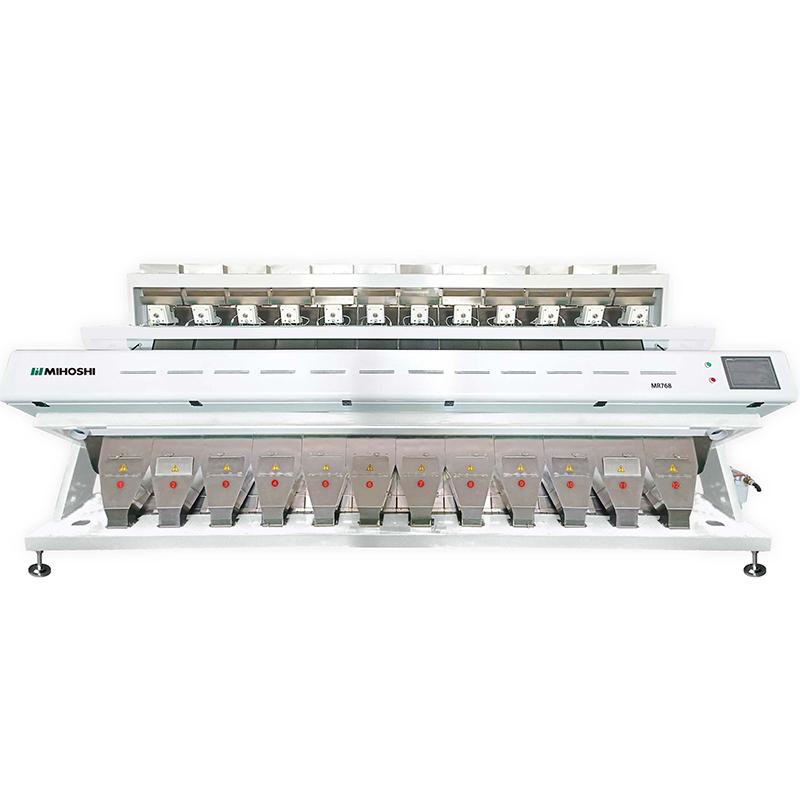
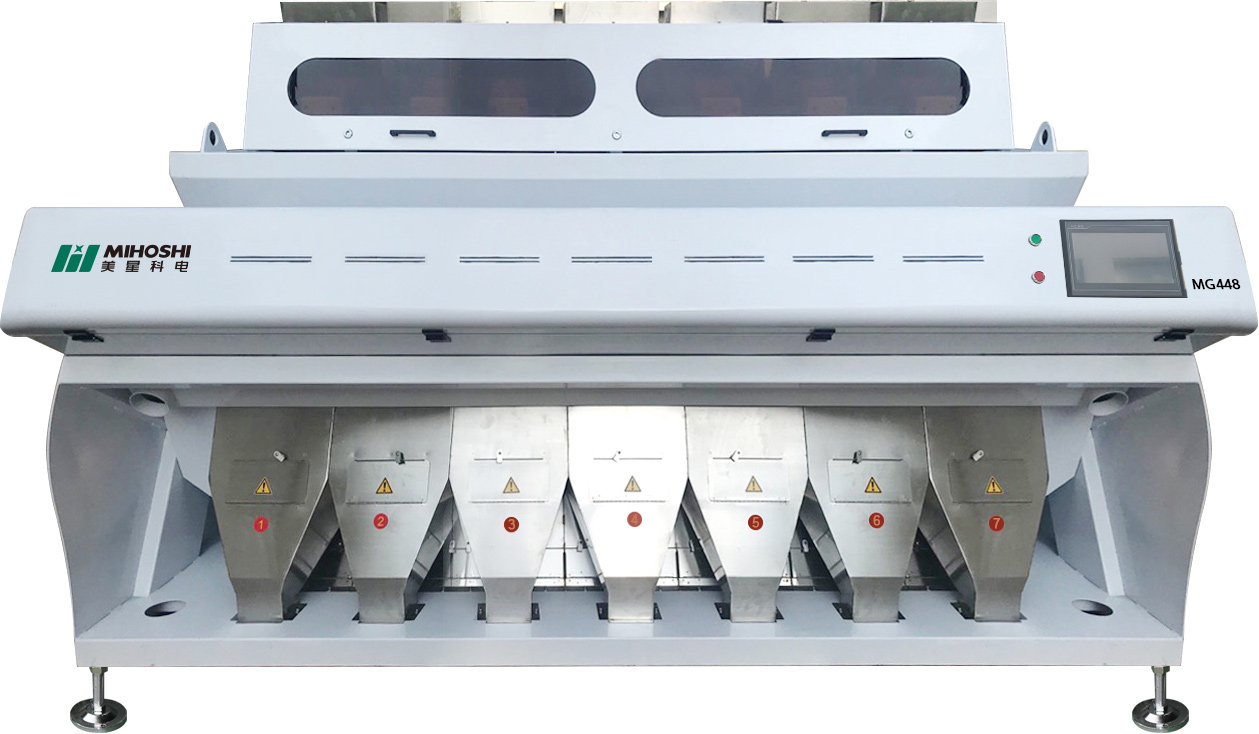
In an era where food safety and product quality are paramount, the corn processing industry is witnessing a transformative breakthrough. Grotech, a leading innovator in sorting technology, has introduced its latest product, the ZB2 Belt-Type AI Color Sorter, designed to tackle two of the industry's most pressing challenges: the precise removal of moldy grains and irregularly shaped particles.
Raising the Bar with Cutting-Edge AI Technology
Traditional sorting equipment has long struggled to balance efficiency and accuracy when separating high-quality corn from defective grains. Manual re-inspection, though effective, is both time-consuming and costly, leading to inconsistent results and potential safety risks. Grotech's new AI-powered sorter promises to solve these problems with its advanced features, setting a new benchmark for corn sorting.
Core Technological Innovations: A New Era of Sorting
AI-Powered Dual-Dimensional Recognition System
The ZB2 sorter features a revolutionary AI-driven dual-dimensional recognition system that combines high-resolution imaging and deep learning algorithms to deliver unprecedented sorting precision. The system excels in detecting color anomalies that often indicate the presence of aflatoxins or other harmful molds. By identifying these color discrepancies, the ZB2 achieves an industry-leading moldy grain removal rate of over 99.9%. This technology ensures that only the cleanest, most uniform corn kernels reach the next stage of processing, safeguarding both food safety and consumer health.
Furthermore, the ZB2 incorporates real-time 3D contour scanning technology that precisely analyzes the shape of each kernel. This capability allows the system to accurately distinguish round, flat, or broken kernels—ensuring that only perfectly shaped grains are selected for further processing. Whether for food use or seed production, the ZB2 guarantees uniformity in particle morphology, a critical factor for both culinary and agricultural industries.
Belt-Type High-Efficiency Sorting Design
The ZB2 sorter is equipped with a belt conveyor system that ensures the corn grains lie flat and undisturbed, preventing the overlap that often occurs with traditional vibrating feeders. This unique design minimizes the risk of particle damage, especially when sorting high-moisture or freshly harvested corn. The sorter’s belt system is ideally suited for modern corn varieties, ensuring an efficient and gentle sorting process.
In terms of performance, the ZB2 sorter surpasses traditional equipment by offering an impressive processing capacity of 1.5 tons per hour. This enhanced throughput allows for up to 40% higher efficiency in large-grain sorting scenarios, significantly boosting productivity in commercial corn processing operations.
Adaptive Intelligent Control
The ZB2 is built with a sophisticated AI algorithm that automatically adjusts sorting parameters based on the type of corn being processed. Whether dealing with the tough kernels of Northeast hard corn or the delicate grains of Southern sweet corn, the machine can seamlessly switch modes at the touch of a button. This feature eliminates the need for complex manual adjustments, making the ZB2 exceptionally user-friendly and reducing the training time required for operators.
Meeting the Demands of the Modern Corn Industry
The applications of the Grotech ZB2 Belt-Type AI Color Sorter are vast and varied. It is designed not only for premium food processing but also for seed refinement and cost-efficient deep processing. By improving sorting accuracy and processing speed, the ZB2 enables operators to maximize the value of their corn harvest, reducing waste and ensuring the highest standards of quality.
In the food processing sector, where food safety is a top priority, the ZB2 ensures that only the best-quality corn makes it to the production line. For the seed industry, the precision sorting capabilities guarantee that only healthy, uniform seeds are selected for planting, fostering higher yields and stronger crops. Additionally, the ZB2 offers an economically viable solution for deep-processing applications, such as producing corn-based products that require consistently high-quality raw materials.
Grotech: Leading the Way in Agricultural Innovation
Grotech’s commitment to technological excellence and innovation is evident in the development of the ZB2 Belt-Type AI Color Sorter. As the demand for safer, higher-quality agricultural products grows, Grotech continues to push the boundaries of what’s possible in the world of grain processing. With its AI-powered sorting system, the ZB2 promises to elevate the corn processing industry to new heights of precision, efficiency, and sustainability.
As the agricultural sector moves toward smarter, more automated solutions, the Grotech ZB2 Belt-Type AI Color Sorter is poised to become an indispensable tool for producers seeking to meet the ever-growing demands of global food safety and quality standards.
An industry earthquake caused by a "leak" In 2023, a well-known electric vehicle brand in Southeast Asian countries was forced to recall thousands of new cars due to the failure of the high-voltage DC relay seal - the reason was a micro-crack on the ceramic shell that was invisible to the naked eye. This lesson worth millions of dollars made the entire industry realize: "Invisible loopholes are the biggest risks." As the new energy vehicle industry in Southeast Asian countries soars (Thailand aims to produce 725,000 electric vehicles in 2030), manufacturers of high-voltage DC relays are facing a dual challenge: not only to meet the stringent requirements of the 800V high-voltage platform, but also to control costs and seize the market. The airtightness of the ceramic shell, as the "armor" of the relay, directly determines the product life and safety. 1. Why do high-voltage DC relays have to "stick to" ceramic housings? 1. Survival rules in the high-voltage era The 800V high-voltage platform has become the mainstream trend of electric vehicles, with larger currents and more intense heat generation. Traditional plastic housings are prone to deformation and aging, while ceramic housings have become rigid demands due to their high temperature resistance (>1000℃), strong insulation and long life. But hidden dangers are hidden in the details: tiny pores or welding residues during the ceramic sintering process may cause hydrogen leakage, which may cause relay malfunction or battery thermal runaway. 2. The "blind spot" of traditional testing The embarrassment of water testing: the housing needs to be dried after the immersion test, which may introduce moisture corrosion risks. Limitations of pressure testing: only large leaks can be detected, and micro leaks of ≤10⁻⁶ mbar·l/s are helpless - this is equivalent to leaking a sesame-sized helium every year. Industry truth: 90% of ceramic housing failure cases are due to "nano-level vulnerabilities" that traditional testing methods fail to detect. 2. Helium inspection technology: the scientific magic that makes the "invisible killer" nowhere to hide Imagine: helium is like a group of well-trained "scouts", and the helium detector is their command center. 1. Ultra-sensitive "leak detection" principle Molecular penetration: The diameter of helium molecules is only 0.26 nanometers, which can drill into the 0.1 micron defect of the ceramic shell. Accurate tracking: The helium mass spectrometer is like a "gas radar", which can detect leak rates as low as 5×10⁻¹⁰ mbar·l/s (1000 times more sensitive than traditional methods). Non-destructive testing: No need to contact liquid, avoid shell contamination, especially suitable for the cleanliness requirements of high-voltage DC relays. Case report: After a supplier in Jakarta, Indonesia introduced an automatic helium detector, it successfully passed the German Rhine TÜV certification, won orders from European car companies, and increased its annual export volume by 200%. 3. Automatic helium inspection machine: "efficiency-enhancing and burden-reducing magic weapon" for Southeast Asian factories For Southeast Asian manufacturers who are sensitive to labor costs, the value of this equipment is far more than "quality inspection" - it is also an invisible engine for profit growth. 1. Speed revolution: faster than cooking a bowl of Vietnamese rice noodles Multiple vacuum boxes are used for parallel inspection, and the time for a single piece is ≤15 seconds. More than 2,000 pieces can be inspected in 8 hours. The code scanning traceability system automatically associates production batches, and the source of quality problems is located in 30 seconds. 2. Helium circulation: saving real money Helium prices fluctuate violently (the increase in 2024 is more than 30%), but through the 95% recovery rate design, a single device can save about 80,000 US dollars in helium costs per year - enough to add another production line! 3. Flexible intelligent manufacturing: one machine for multiple uses The modular design is suitable for ceramic shells of different sizes, from high-voltage DC relays for new energy vehicles to charging pile seals, and can be quickly changed in 5 minutes. Intelligent pressure regulation (0.1-1.0MPa) matches a variety of test scenarios. Future vision: When helium inspection machine meets AIoT Intelligent prediction: Through machine learning, analyze historical data and reduce the defect rate. Cross-border collaboration: Real-time remote generation of optimization solutions based on inspection data. In the trend of "high voltage" and "fast charging" in electric vehicles, every tiny crack in the ceramic housing may cause the company's hard-earned brand reputation to collapse. An automatic helium inspection machine is not only the "gatekeeper" of quality, but also the "golden key" of the relay product line. All-solid-state battery cars: no mileage limit, a new driving force for future travel All-solid-state battery cars use solid electrolytes to replace the liquid electrolytes in traditional lithium-ion batteries, and store and release electrical energy through the migration of lithium ions between the positive and negative electrodes. This new type of battery uses solid conductive materials, which fundamentally solves the safety hazards of liquid electrolytes. Why is helium leak detection the "safety gatekeeper" of all-solid-state batteries? Although all-solid-state batteries use solid electrolytes instead of flammable liquid materials, minor defects in the battery packaging process may still cause gas leakage or moisture intrusion, causing performance degradation or even safety hazards. Helium (He), as an inert gas, has extremely small molecules (only 0.26 nanometers in diameter) and can accurately detect micron-level leaks. It is the "gold standard" for detecting battery air tightness. The automatic helium inspection machine for automotive parts developed by HCTE uses a high-precision helium mass spectrometer leak detector, which can complete the battery pack sealing test within 10 seconds with a sensitivity of up to 5×10⁻⁸ mbar·Ls. By simulating complex working conditions such as vibration and temperature changes during vehicle driving, the equipment ensures that each battery meets the IP67 protection standard before mass production, completely eliminating the risk of "a thousand-mile dam collapsed by an ant hole". HCTE Helium Inspection Machine: The Key Driver of Mass Production of All-Solid-State Batteries The commercialization of all-solid-state batteries faces two major bottlenecks: high interface impedance and high manufacturing costs. HCTE's automated helium inspection technology is breaking through from the following dimensions: 1. Cost reduction and efficiency improvement: Traditional helium inspection relies on manual operation, which is inefficient and has a high error rate. HCTE equipment supports fully automatic assembly line integration, with a 300% increase in inspection efficiency. A single device can inspect up to 500,000 sets of batteries per year, helping automakers to quickly achieve large-scale production. 2. Extend life: By accurately locating and repairing micro-leakage points, the battery cycle life is increased by more than 20%, directly reducing users' "battery anxiety". 3. Compatible with future technologies: Whether it is a sulfide electrolyte or an oxide system, the HCTE helium inspection machine can be adapted, providing "zero compromise" quality assurance for the development of next-generation solid-state batteries. Data speaks: How does helium leak detection rewrite the rules of the game in the industry? Safety improvement: The fire accident rate of battery packs equipped with HCTE helium detectors has decreased by 95%. Endurance optimization: After the airtightness meets the standard, the battery energy loss is reduced by 8%, and the endurance mileage has steadily exceeded 800 kilometers. Customer case: After a leading car company adopted HCTE equipment, the battery recall rate dropped by 92%, and the annual cost savings exceeded 200 million yuan. The future has come: In 2030, how will all-solid-state batteries change your travel? Industry forecasts show that all-solid-state batteries will occupy 30% of the new energy market in 2030, and helium leak detection technology will become the "invisible engine" of this process. As the world's leading leak detection solution provider, HCTE has reached strategic cooperation with various battery manufacturers. Its modern automatic helium detector has introduced blockchain traceability technology to "chain" the detection data of each battery and provide users with a lifetime warranty certificate. Act now: If you are looking for the best solution for battery leakage detection, or want to learn more about the technical details of HCTE automatic helium inspection machine for automotive parts and get customized solutions, please contact our engineering team for consultation - there is no need to compromise between safety and efficiency! In the field of automobile manufacturing, the quality and performance of automotive high-voltage relays are crucial. As a key inspection tool to ensure their sealing, the helium inspection equipment produced by HCTE provides a strong guarantee for the production and quality control of automotive high-voltage relays with many outstanding advantages. High-precision inspection capability: HCTE's helium inspection equipment Efficient inspection speed: In the fast-paced environment of automobile production, efficiency is competitiveness. HCTE's helium inspection equipment has the ability to quickly detect and can complete the inspection task of automotive high-voltage relays in a short time, greatly improving production efficiency and reducing waiting time and cost consumption in the production process. This enables automakers to produce more high-quality relays within a limited time, better meet market demand, and enhance the economic benefits and market competitiveness of enterprises. Wide compatibility and adaptability: Automotive high-voltage relays come in a variety of types, specifications and sizes. HCTE's helium inspection equipment fully takes this into account and has strong compatibility and adaptability. Through simple parameter adjustment and tooling replacement, the equipment can easily cope with the inspection needs of different types of relays, without the need to configure inspection equipment separately for each relay, saving a lot of equipment procurement costs and equipment floor space for enterprises, and improving the utilization rate of production resources. Highly intelligent and automated: The equipment is equipped with an advanced intelligent control system and a user-friendly automated operation interface, realizing a fully automated process from relay loading, inspection to data recording and result judgment. Operators only need to perform simple settings and monitoring to complete the entire inspection process, which not only reduces labor intensity, but also reduces the impact of human factors on the inspection results, and improves the consistency and accuracy of the inspection results. In addition, the equipment also has the functions of automatic data storage, query and analysis, which facilitates enterprises to trace and manage production data and provide strong support for quality improvement. Stable and reliable performance: The equipment on the automobile production line needs to run stably for a long time, and HCTE's helium inspection equipment performs well in this regard. It uses high-quality components and advanced manufacturing processes to ensure that the equipment has stable and reliable performance during long-term continuous operation and is not prone to failure. Even in harsh production environments, such as high temperature and high humidity, the equipment can still maintain a good working condition, providing stable and reliable detection guarantees for the quality control of automotive high-voltage relays, and reducing production delays and quality risks caused by equipment failures. In the modern packaging industry, valve bags are widely used in cement, chemical, food and other fields due to their moisture-proof, durable and convenient characteristics. Among the many bag making technologies, ADstar bag making machine has become a leader in the industry with its high efficiency, precision and stable production capacity. So, how does ADstar bag making machine improve the production efficiency and quality of valve bags? 1. Intelligent design to improve production efficiency ADstar bag making machine adopts advanced PLC control system to realize fully automated production process. From cutting, heat sealing, molding of PP woven cloth to the final valve bag, the whole process is efficient and accurate, greatly reducing manual intervention and increasing production speed. Compared with traditional bag making process, ADstar bag making machine can produce up to 120 valve bags per hour, significantly improving production capacity. 2. Heat sealing technology to ensure high strength and environmental protection Traditional sewing bag making methods have problems such as powder leakage and easy breakage, while ADstar bag making machine adopts heat sealing technology, without the use of glue or seams, which fundamentally solves these defects. The heat sealing process makes the bag stronger while avoiding pollution, meeting environmental protection standards and meeting the strict requirements of the food, chemical and other industries. 3. Precise cutting and forming to ensure product quality The ADstar bag making machine is equipped with a high-precision cutting system that can accurately control the size of the bag and reduce production errors. At the same time, the automatic tension adjustment system ensures that the PP woven fabric remains stable during the bag making process, thereby improving the consistency of bag making and making each bag meet high standards of quality requirements. 4. Adapt to a variety of needs and enhance market competitiveness The equipment supports a variety of specifications and customized production, and can produce valve bags of different sizes and thicknesses to meet the diverse needs of customers. In addition, the ADstar bag making machine is compatible with various printing processes, and can directly print high-definition LOGOs, texts, etc. on the bag body to improve brand recognition and enhance market competitiveness. 5. Low maintenance cost, stable and reliable operation The ADstar bag making machine adopts a modular design, which is easy to maintain and has a low failure rate. At the same time, the key components of the equipment are made of highly durable materials to ensure long-term stable and reliable operation, reduce maintenance costs, and improve the return on investment of production enterprises. Conclusion The AD star bag making machine has greatly improved the production efficiency and quality of valve bags with its intelligent, efficient and environmentally friendly features. For packaging companies that want to increase productivity, reduce costs and improve product quality, GACHN-JEENAR's ADstar bag making machine is undoubtedly an ideal choice. If you are looking for a solution to improve the bag making process, consider GACHN-JEENAR's ADstar bag making machine to take your production to the next level! With the development of industrial intelligence, automation equipment plays an increasingly important role in modern production. As an important equipment in the field of bagged powder, Gachn Group's automatic loaders have demonstrated their unique advantages in multiple scenarios with their high efficiency, precision, and environmental protection. This article will discuss in detail the application scenarios of automatic loaders and the many benefits they bring to enterprises. 1. Main application scenarios of automatic loaders Cement manufacturing industry: Automatic loaders are most widely used in the cement manufacturing industry. The production and transportation of bagged cement requires an efficient loading process. Traditional manual handling methods are inefficient, labor-intensive, and dust is extremely harmful to the human body. The automatic loaders use intelligent loading solutions to achieve fast and neat loading of cement bags, reduce pollution, and significantly improve the overall efficiency of the production line. Large logistics centers: In large logistics centers, automatic loaders can help complete the loading tasks of various bagged goods. Through 3D radar scanning and vehicle modeling, the equipment can quickly adapt to transport vehicles of different sizes and types to maximize the utilization of compartment space. Powder packaging industry: For enterprises that need to transport powder packaging products, such as flour manufacturers, the low-position bag drop design and micro-dust operation of the automatic loader can effectively reduce dust flying, maintain the cleanliness of the production environment, and meet the high standards of environmental protection and occupational health. Other industries that need to load bagged goods: Such as grain, chemical, building materials and other industries, automatic loaders can provide efficient and stable loading solutions, which can reduce labor costs for enterprises while ensuring the integrity of goods during loading. 2. Benefits brought by automatic loaders to enterprises Improve loading efficiency and optimize production processes The automatic loader of Gachn Group places each bag of goods accurately in the carriage through intelligent control and efficient automatic operation without manual intervention. This efficient loading method not only speeds up loading, but also reduces efficiency fluctuations caused by manual handling. Reduce labor costs In the face of problems such as difficulty in recruiting workers and high labor costs in the labor market, the automatic loader of Gachn Group provides an effective solution for enterprises. The equipment can complete the heavy loading task without a lot of manpower, helping enterprises reduce the expenditure of hiring porters, thereby saving operating costs. Reduce cargo loss Gachn Group's automatic loader adopts a low-position bag drop design to avoid damage to goods caused by falling or falling during traditional manual handling. In addition, the neatness during loading also reduces the risk of cargo displacement during transportation and ensures the integrity of the goods. Improve transportation efficiency Through 3D radar scanning and intelligent modeling, Gachn Group's automatic loader can accurately plan the loading plan and maximize the use of the compartment space. This not only reduces the empty rate of the vehicle, but also reduces the frequency of transportation, indirectly saving transportation costs. Promote green environmental protection and occupational health Gachn Group's automatic loader is equipped with an efficient dust collection system and micro-dust operation design, which greatly reduces dust pollution and improves the factory's working environment. At the same time, this also reduces the health risks of employees in high-dust environments, in line with the requirements of environmentally friendly production and occupational health. Enhance corporate image and competitiveness Enterprises that introduce automatic loaders have demonstrated their leading position in the field of intelligent and modern production. This efficient and environmentally friendly production method not only enhances the company's brand image, but also strengthens its core competitiveness in market competition. 3. Unique technical advantages of automatic loading machines Intelligent vehicle model detection and modeling Gachn Group's automatic loading machine uses 3D radar to scan the vehicle, quickly generates an accurate car model, and combines intelligent algorithms to optimize the loading layout to maximize space utilization. Adapt to a variety of loading needs Whether it is horizontal or vertical packaging, the automatic loading machine can adapt flexibly and ensure that the goods are neat and stable after loading. The equipment can also adapt to vehicles of various heights and types, further enhancing the breadth of application. High reliability and continuous operation capability The automatic loading machine uses the main components of internationally renowned brands to enhance the rigidity and stability of the equipment. Even under the condition of 24-hour continuous operation, the equipment can still maintain efficient and stable performance. 4. Summary As a model of modern industrial intelligence, Gachn Group's automatic loading machine has brought revolutionary loading solutions to industries such as bagged powder products. Its high efficiency, environmental protection and reliability not only optimize the loading process, but also create significant economic and social benefits for enterprises. With the continuous advancement of technology and the expansion of application scenarios, Jiachuang Group's automatic loaders will become an important tool for more industries to improve productivity and competitiveness, injecting new vitality into the sustainable development of enterprises. bag making machine helps green packaging Under the current global trend of sustainable development, green packaging has become the focus of attention in various industries. In the field of packaging, how to meet the needs of efficient production while achieving environmental protection goals is a topic that many companies urgently need to solve. As a leading manufacturer of intelligent packaging equipment, the AD STAR bag making machine launched by GACHN Group provides an innovative solution to this problem. This article will discuss in detail how the AD STAR bag making machine can find a perfect balance between high efficiency and environmental protection, and help companies achieve green transformation. What is an AD STAR bag making machine? The AD STAR bag making machine is an advanced equipment specially designed for the production of square bottom valve bags. Such bags are widely used in the packaging of cement, chemicals, food and other powdered or granular products. The AD STAR bag making machine adopts a modular design and can be flexibly adjusted according to customer needs to produce bags of various specifications and materials. The uniqueness of the AD STAR bag lies in its innovative production process and materials. By replacing traditional glue bonding with heat sealing technology, this bag is not only environmentally friendly, but also has the characteristics of high strength, moisture resistance and low carbon emissions. How does the AD STAR bag making machine achieve efficient production? 1. Automation and intelligence AD STAR bag making machine integrates highly automated and intelligent technologies. Its advanced control system can achieve precise bag cutting, folding and heat sealing, greatly improving production efficiency. Compared with traditional bag making methods, the production speed has increased by more than 30%, and more than 150 bags can be produced per hour to meet the needs of large-volume orders. 2. Modular design The modular design makes the adjustment and maintenance of the equipment simpler and more flexible. Whether it is changing the mold or optimizing the production process, the operator can complete it quickly to minimize downtime. 3. Low energy consumption and high output AD STAR bag making machine has low energy consumption during the production process, and the application of heat sealing technology further reduces energy waste. In addition, the optimized transmission system and intelligent monitoring function ensure that the equipment maintains low energy consumption while operating efficiently. Unique advantages of green environmental protection 1. Zero use of glue: Reduce chemical pollution AD STAR bag heat sealing technology completely replaces traditional glue bonding, which not only eliminates the emission of harmful chemicals, but also reduces environmental pollution in the production process. This technology is particularly suitable for industries that need to comply with environmental regulations, such as food and pharmaceutical packaging. 2. Recyclability and sustainability AD STAR bags are made of polypropylene and are 100% recyclable. Used bags can be reused in production through simple recycling, which effectively reduces waste. 3. Lightweight design: Reduce carbon footprint Compared with traditional paper bags or composite bags, AD STAR bags are lighter, and the fuel consumed and carbon dioxide emitted during transportation are significantly reduced. Taking every 10,000 bags as an example, the use of AD STAR bags can reduce carbon emissions by about 20%. 4. High durability: Extend product life The high strength and durability of AD STAR bags reduce the possibility of product damage and waste, thereby reducing packaging waste. This not only reduces production costs, but also achieves efficient use of resources. Actual application case: Helping enterprises transform green 1. Cement industry After introducing the AD STAR bag making machine, a well-known cement company in china replaced traditional paper bags with recyclable AD STAR bags. The results showed that its packaging waste was reduced by 35%, while the product transportation damage rate decreased by 50%, significantly reducing the overall cost. 2. Food industry A food processing company in china uses AD STAR bags to replace traditional packaging materials, which not only meets the industry's hygiene standards, but also improves transportation efficiency by optimizing logistics. According to statistics, the company saves up to $100,000 in transportation costs each year by reducing packaging weight. Summary The advent of the AD STAR bag making machine not only meets the packaging industry's demand for efficient production, but also leads the trend of green packaging with its environmentally friendly characteristics. Its excellent performance in production efficiency, material sustainability and resource conservation makes it an ideal choice for many industries in green transformation. In the future, as the concept of sustainable development continues to deepen, equipment like the AD STAR bag making machine that combines high efficiency and environmental protection will become an important driving force in the packaging industry. Gachn Group will also continue to promote technological innovation, provide green and intelligent packaging solutions for more companies, and contribute to the future of the earth together.


CNC Machine Gear Cutting A Comprehensive Look
What Is CNC Machine Gear Cutting?

Importance of CNC Machine Gear Manufacturing
Types of CNC Machines Used for Gear Cutting
CNC Milling Machines
CNC Lathes
CNC Gear Hobbing Machines
CNC Grinding Machines for Gears
CNC Machine Gear Cutting Techniques for Precision Manufacturing
Hobbing Process
Shaping Process
Broaching
CNC Gear Cutting Applications in Various Industries
Automotive Industry
Aerospace Industry
Heavy Machinery and Industrial Equipment
How To Select an Appropriate CNC Gear-Cutting Machine?
Material Compatibility: Choose The Right Machine for the Right Job
Cutting Accuracy and Tolerance Levels: Precision at a Micron Scale
Production Volume and Automation: Efficiency vs. Customization
Machine Rigidity and Stability: Controlling Vibration for Perfect Gears
Software and Control System: The Brain Behind the Machine
Final Verdict
Wandel Machinery Unveils Cutting-Edge 3000W & 4500W Brushless Motor Tile Cutting Machines Discover the QXZ-ZD-1600, QX Series & More


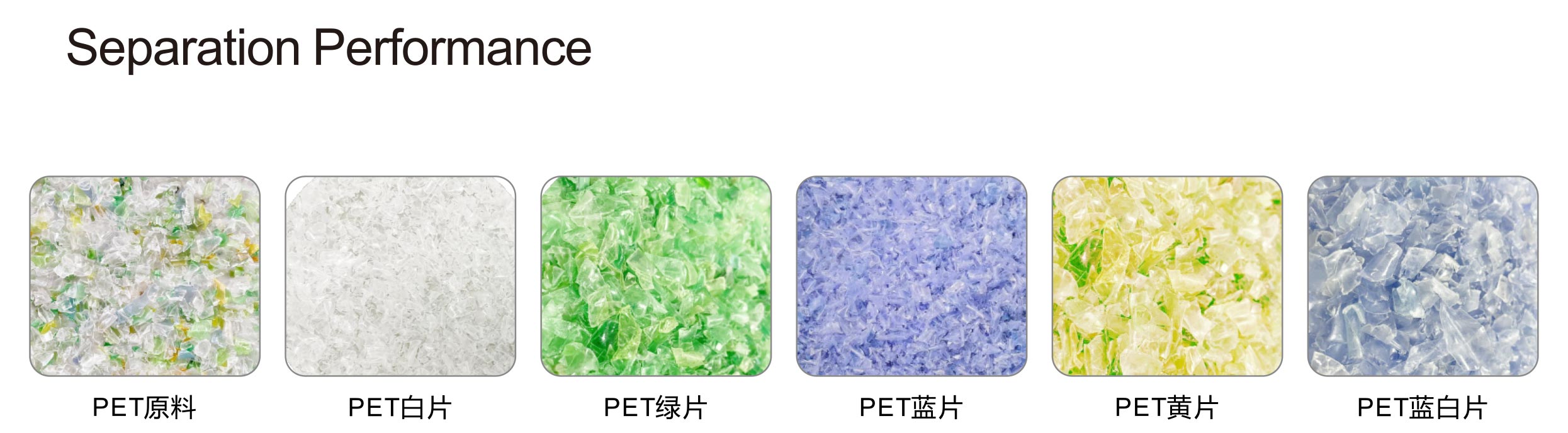
AI Corn Color Sorter Precision Sorting of Moldy and Round Grains

How to perform a "physical examination" on a relay ceramic housing? How helium inspection technology can help auto parts manufacturers seize opportunities
The future of all-solid-state battery vehicles How does helium leak detection technology unlock new heights of safety and endurance?


What are the advantages of the automotive high-voltage relay helium inspection equipment produced by HCTE?


ADstar bag making machine How to improve the production efficiency and quality of valve bags
Application Scenarios And Enterprise Benefit Analysis Of Automatic Loaders
Combination Of High Efficiency And Environmental Protection AD STAR
What is the function of Universal Testing Machines (UTMs)?
TH-8100 Universal Material Testing Machine
-
TH-8201 Computer SysytemTensile Testing Machine
-
TH-8202 Single Column Type Tensile Testing Equipment
-
TH-8203 Table Type Tensile Testing Machine