A Complete Guide To CNC Milling Curved Surfaces

CNC milling, or Computer Numerical Control milling, is a machining process that uses computerized controls to precisely cut and shape materials into complex parts. This technology is essential in modern manufacturing due to its ability to produce intricate and accurate components efficiently, widely utilized in industries like aerospace, automotive, and medical.

Milling curved surfaces is more challenging than flat or straight-edge milling. Curved surfaces require special techniques and careful planning to achieve the desired contours and finishes. These surfaces are commonly found in advanced components such as turbine blades, automotive parts, and medical implants.

This article focuses on the specific challenges and techniques of CNC milling curved surfaces. It aims to provide practical insights and detailed information to help you master the milling of curved surfaces, enhancing your ability to produce precise and high-quality parts.


Basics Of CNC Milling

What Is CNC Milling?

CNC milling, or Computer Numerical Control milling, is a machining process where computerized controls direct cutting tools to shape materials into precise components. This process evolved from manual milling, where machinists operated milling machines by hand. With the advent of CNC technology in the 1960s and 1970s, milling machines became automated, significantly increasing the precision, efficiency, and complexity of parts that could be produced.

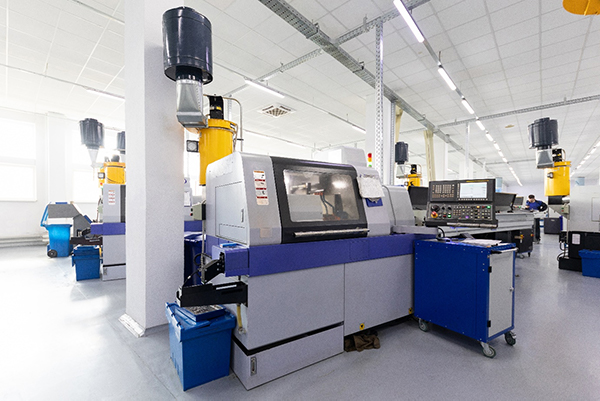
Key components of CNC milling machines include the CNC controller, which interprets the digital instructions; the spindle, which holds and rotates the cutting tool; and the worktable, where the material is secured. Additional components such as cooling systems, tool changers, and enclosures enhance the machine's functionality and performance.

Types of CNC Milling Machines

There are several types of CNC milling machines, each suited for different applications:

● Vertical Milling Machines: These machines have a vertically oriented spindle, which moves up and down. They are ideal for flat surfaces and simple geometries.

● Horizontal Milling Machines: These machines have a horizontally oriented spindle, which allows for the milling of heavier and more complex workpieces. They are often used for cutting slots and grooves.

● Multi-axis CNC Machines: These advanced machines can move the spindle and workpiece in multiple axes (typically 3 to 5 axes), allowing for the creation of intricate and complex parts with curved surfaces.

Fundamental Milling Operations

Several fundamental milling operations are essential for various applications:

● Face Milling: Involves cutting a flat surface perpendicular to the spindle axis. It's used to create a smooth, flat finish on the top of the workpiece.

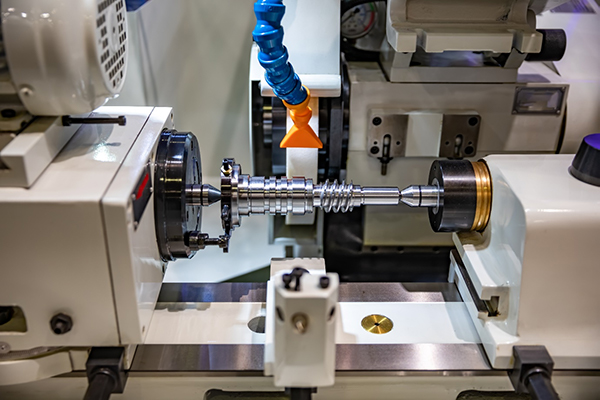
● Peripheral Milling: Also known as slab milling, this operation cuts along the edge of the workpiece with the axis of the cutting tool parallel to the surface being machined. It is used for producing long, straight cuts and contours.

● End Milling: Uses an end mill cutter to produce slots, pockets, and intricate contours. The cutting tool rotates on an axis perpendicular to the workpiece surface, allowing for precise cutting of complex shapes.


Curved Surfaces In Milling 

Types Of Curved Surfaces

In CNC milling, curved surfaces can be categorized into three main types:

● Concave Surfaces: These are inward-curving surfaces resembling a bowl or a hollow shape. Milling concave surfaces requires precise control to ensure smooth and accurate contours, often used in components like molds and turbine blades.

● Convex Surfaces: These are outward-curving surfaces similar to a dome or a bump. Achieving a consistent finish on convex surfaces can be challenging, but they are common in parts such as gear teeth and certain automotive components.

● Complex 3D Surfaces: These surfaces combine multiple curves and angles, creating intricate geometries. Examples include sculpted parts in aerospace and automotive industries, where both aesthetic and functional precision are crucial.

Common Applications of Curved Surface Milling

Curved surface milling is essential in various industries, contributing to the production of high-precision and high-performance components:

● Aerospace Components: Curved surfaces are prevalent in aerospace for parts like turbine blades, airfoils, and fuselage components. Precision milling ensures these parts meet strict aerodynamic and performance standards.

● Automotive Parts: From body panels to engine components, the automotive industry relies on curved surface milling to produce parts that are both functional and aesthetically pleasing.

● Medical Implants: Custom implants, such as hip joints and dental implants, often feature complex curved surfaces that must fit precisely within the human body. CNC milling ensures the necessary accuracy and biocompatibility.

● Consumer Electronics: The sleek and ergonomic designs of modern electronic devices, like smartphones and laptops, often incorporate curved surfaces. Milling allows for the production of these smooth, appealing contours.

Challenges in Milling Curved Surfaces

Milling curved surfaces presents several challenges that require careful consideration and advanced techniques:

● Toolpath Generation: Creating an effective toolpath for milling curved surfaces is complex. The toolpath must account for the curves' varying angles and depths to ensure consistent and accurate material removal.

● Surface Finish Quality: Achieving a high-quality surface finish on curved surfaces can be difficult due to the varying angles and the need for smooth transitions. Optimizing cutting parameters and using the right tools are crucial for a flawless finish.

● Tool Wear and Breakage: Milling curved surfaces can cause uneven wear on cutting tools due to the constant changes in contact angles and forces. This can lead to premature tool wear or breakage, affecting both quality and efficiency. Regular monitoring and appropriate tool selection are essential to mitigate these issues.


Tools and Software for CNC Milling Curved Surfaces

Cutting Tools

Selecting the right cutting tools is critical for successful CNC milling of curved surfaces. Each tool type has unique characteristics suited for specific applications:

● Ball Nose End Mills: These tools have a hemispherical end, which makes them ideal for machining complex 3D contours and curved surfaces. The rounded tip reduces the risk of tool marks and ensures a smooth finish, making them perfect for intricate mold cavities, die shapes, and aerospace components.

● Bull Nose End Mills: Featuring a flat end with rounded corners, bull nose end mills are useful for both roughing and finishing operations. The rounded edges help in reducing stress concentrations, minimizing the likelihood of tool breakage when machining steep or deep curved surfaces.

● Tapered End Mills: Tapered end mills have a conical shape, which provides greater strength and rigidity, making them ideal for milling deep cavities and intricate details on curved surfaces. These tools are often used in mold making and other applications requiring precise and stable cutting.

Tool Material and Coatings

The choice of tool material and coatings plays a significant role in performance, tool life, and surface finish quality:

● High-Speed Steel (HSS): HSS tools are durable and tough, making them suitable for general-purpose milling. However, they wear out faster than carbide tools, especially when milling hard materials or high-speed operations.

● Carbide Tools: Carbide tools are harder and more wear-resistant than HSS, making them ideal for high-speed milling and machining hard materials. They maintain their cutting edge longer, ensuring consistent performance and better surface finishes.

● Coatings (TiN, TiCN, AlTiN): Applying coatings to cutting tools enhances their performance and longevity. Titanium Nitride (TiN) improves wear resistance and reduces friction. Titanium Carbo-Nitride (TiCN) offers better hardness and lubricity, ideal for harder materials. Aluminum Titanium Nitride (AlTiN) provides excellent thermal stability and wear resistance, making it suitable for high-speed and high-temperature applications.

CNC Software

Effective CNC milling of curved surfaces relies on advanced software for design, toolpath generation, and simulation:

● CAD Software (SolidWorks, AutoCAD): Computer-Aided Design (CAD) software is used to create detailed 3D models of the parts to be milled. SolidWorks and AutoCAD are popular CAD programs that allow designers to develop precise and complex geometries, which are essential for milling curved surfaces.

● CAM Software (Mastercam, Fusion 360): Computer-Aided Manufacturing (CAM) software translates CAD models into toolpaths that CNC machines follow. Mastercam and Fusion 360 are widely used CAM programs that provide advanced features for generating efficient and accurate toolpaths for curved surfaces, including adaptive clearing, contouring, and finishing strategies.

● Simulation Software: Before actual machining, simulation software helps visualize and optimize the milling process. It identifies potential issues like tool collisions and inefficient toolpaths. Integrated simulation features in CAM software, as well as standalone programs, are crucial for ensuring the milling process will proceed smoothly and without errors.

Process Planning for Curved Surface Milling

Design Considerations

Effective process planning for milling curved surfaces starts with careful design considerations:

● CAD Model Preparation: Preparing a detailed and accurate CAD model is the first step. The model should represent the final product with precise dimensions and features. Designers must ensure that all curved surfaces are well-defined and that the model includes any necessary fillets, radii, and transitions. High-resolution modeling helps avoid discrepancies during machining and ensures the toolpath generation is accurate.

● Surface Continuity and Smoothness: Maintaining surface continuity and smoothness in the CAD model is crucial for achieving a high-quality finish. Designers should use advanced CAD tools to check for and eliminate any discontinuities, sharp edges, or abrupt changes in curvature that could cause issues during machining. Smooth transitions between surfaces ensure that the milling process can produce a consistent and smooth finish.

Toolpath Strategies

Selecting the right toolpath strategy is essential for efficient and precise milling of curved surfaces:

● Parallel Milling: This strategy involves machining the surface in parallel passes, typically along a single axis. It is straightforward and effective for relatively simple curved surfaces. Parallel milling provides a uniform finish but may require additional passes for more complex geometries.

● Z-Level Milling: Also known as contour or waterline milling, this strategy involves milling the surface in horizontal layers or "slices" at different Z-levels. It is highly effective for complex 3D surfaces, allowing for precise control over the depth of cut and ensuring a consistent finish. Z-level milling is often used for finishing operations on intricate curved surfaces.

● 3+2 Axis Milling: This advanced strategy uses three linear axes and two rotational axes to orient the workpiece in the optimal position for each cut. It allows for more complex and efficient toolpaths, reducing the need for multiple setups and improving accuracy. 3+2 axis milling is ideal for parts with complex geometries and undercuts, providing greater flexibility and precision.


 Fixture and Workholding

Proper fixture and workholding methods are essential for stability and accuracy in milling:

● Clamping Methods: Visces and clamps are commonly used to secure the workpiece. Evenly distributed clamping force is crucial to prevent deformation, especially for delicate curved surfaces.

● Vacuum Fixtures: These use suction to hold the workpiece, ideal for thin or delicate parts. Vacuum fixtures provide uniform holding force and can be customized to fit the workpiece contours, ensuring stability and precision.

● Custom Jigs: Specifically designed for the workpiece, custom jigs offer tailored support and alignment. They are especially useful for complex or irregularly shaped parts, maintaining consistent and accurate machining.


Execution of Milling Curved Surfaces

Machine Setup

Before milling curved surfaces, proper machine setup is crucial to ensure accuracy and efficiency:

● Calibration and Alignment: Machines must be calibrated to ensure all axes are correctly aligned. This prevents errors in toolpath execution and ensures the dimensions of the milled part are accurate.

● Tool Setup and Offsets: Tools must be correctly installed and aligned with the spindle. Tool offsets are set to compensate for tool dimensions and ensure precise cutting depths and contours during machining.

Milling Parameters

Optimizing milling parameters is essential for achieving desired surface finishes and maintaining tool longevity:

● Spindle Speed: The rotational speed of the spindle affects cutting efficiency and tool life. Higher speeds are generally used for smaller tools and softer materials, while lower speeds are suitable for larger tools and harder materials.

● Feed Rate: Feed rate determines how quickly the cutting tool moves through the material. It impacts machining time, surface finish, and tool wear. Adjusting the feed rate optimally balances material removal rates with tool life and surface quality.

● Depth of Cut: The depth of cut refers to the thickness of material removed in each pass. It influences cutting forces, tool wear, and surface finish. Optimizing the depth of cut ensures efficient material removal without compromising part integrity or tool performance.


Conclusion

In a nutshell, CNC milling is integral to modern manufacturing, enabling precise fabrication of complex components essential across industries like aerospace, automotive, and medical fields.

Milling curved surfaces presents distinct challenges requiring specialized techniques and careful planning for achieving precise contours and optimal finishes. This article provides practical insights to enhance proficiency in CNC milling of curved surfaces, emphasizing the importance of advanced tools, software, and meticulous process optimization.


Frequently Asked Questions

What are the main challenges in CNC milling curved surfaces? 

● Achieving precise toolpaths

● Maintaining surface finish quality

● Managing tool wear.

Which tools are best for milling curved surfaces? 

Ball nose end mills for smooth finishes, bull nose end mills for roughing and finishing, and tapered end mills for deep cavities.

How do you achieve a high-quality surface finish on curved surfaces? 

Optimise cutting parameters like spindle speed, feed rate, and depth of cut, and use appropriate toolpath strategies.

What software is used for designing and programming CNC milling of curved surfaces? 

CAD software like SolidWorks and AutoCAD for design, and CAM software like Mastercam and Fusion 360 for toolpath generation.

How to choose a high pressure jetting pump?

Selecting the right high-pressure jetting pump needs to consider the following key factors:


  • Jetting needs: first of all, you need to understand your jetting needs, including the type of jetting object, the size of the jetting area, the nature of the jetting medium and so on. Different jetting needs may require different types of high-pressure jetting pumps.


  • Pressure and flow: two important parameters of the high-pressure jetting pump is the output pressure and flow. You need to determine the maximum pressure and maximum flow rate required for the jetting job in order to select a pump that can meet the demand.


  • Power and power supply: Considering the power supply requirements of the jetting pump, make sure you have enough power capacity to support the normal operation of the pump. At the same time, choose the right motor or engine according to the power requirements of the jetting pump.


  • Durability and reliability: High pressure cleaning pumps need to withstand long periods of heavy-duty operation, so durability and reliability are very important considerations. Choosing a pump with high quality materials, strong construction and stable performance will ensure its stable operation for a long time.


  • Maintenance and service: Understand the pump's maintenance needs and after-sales support. Choosing a supplier with a good reputation for providing timely support and repair services will ensure that you receive timely help during operation.


  • Cost-effectiveness: Finally, you need to consider the price and performance indicators of the jetting pump in order to select a pump with good cost-effective performance. Not only should we focus on the price, but also the performance and reliability of the pump.


Elephant Machinery is a professional supplier of high pressure jetting pumps and can develop customized solutions according to your specific needs and situation. With a commitment to product quality and customer satisfaction, Elephant Machinery has built a strong reputation in the market. If you have any further questions about high pressure wash pumps or need detailed consultation, please feel free to contact us. We will be happy to provide you with support and assistance.


Tips and Tricks for Operating the Touch Screen Delta Motor Bagel Production Machine

Are you a pastry production enthusiast looking to streamline your bagel-making process? The Touch Screen Delta Motor Bagel Production Machine is the perfect solution for busy bakeries and pastry shops. This state-of-the-art machine combines efficiency and innovation to create perfectly shaped and delicious bagels. To help you make the most of this incredible piece of equipment, we’ve compiled some essential tips and tricks. Let’s dive in!

  1. Familiarize Yourself with the Touch Screen Interface

The first step to mastering this machine is getting comfortable with its touch screen interface. Spend some time exploring the different menus, buttons, and settings. Familiarize yourself with the purpose and functionality of each element. This will make navigation during production a breeze.

  1. Optimize Dough Preparation

Achieving consistent dough quality is vital for producing perfect bagels every time. Ensure that the dough is properly kneaded, mixed, and fermented before feeding it into the machine. Use high-quality ingredients and follow a standardized recipe to maintain consistency.

  1. Proper Loading and Alignment

To avoid any mishaps during bagel production, ensure that the dough is loaded onto the machine’s conveyor belt evenly and securely. Proper alignment is crucial to ensure uniform bagel size and shape. Take your time to position the dough correctly, allowing for smooth processing.

  1. Set the Right Parameters

The Touch Screen Delta Motor Bagel Production Machine offers various parameters that can be customized to meet your specific requirements. Experiment with different settings to find the ideal combination for your bagel production. Adjust the kneading time, dough weight, speed, and temperature to achieve desired outcomes.

  1. Regular Maintenance and Cleaning

To keep your machine running smoothly and extend its lifespan, regular maintenance is key. Follow the manufacturer’s guidelines for cleaning and upkeep. Regularly remove any dough residue from the conveyor system, rollers, and dies. Also, check for any loose or damaged parts and have them repaired or replaced promptly.

  1. Safety First

Operating any machinery always requires a safety-first approach. Ensure that all operators are trained on the proper handling of the Touch Screen Delta Motor Bagel Production Machine. Encourage them to wear safety gear such as gloves and secure loose clothing before starting the machine.

  1. Test and Adjust

Even with the perfect settings and procedures in place, it’s always a good idea to test a small batch of bagels before running a full production cycle. This allows you to make any necessary adjustments to the parameters or process to achieve optimal results.

In conclusion, the Touch Screen Delta Motor Bagel Production Machine is an incredible asset for pastry production lines. By following these tips and tricks, you’ll be able to operate the machine efficiently and produce mouthwatering bagels consistently. So, go ahead, explore the touch screen interface, set the right parameters, and don’t forget to maintain and clean the machine regularly. Happy bagel making!

The AWING VIII-02 laser cutting machine

The AWING VIII-02 laser cutting machine, as a highly efficient, precise, and versatile device, offers users more choices and benefits.

Firstly, the AWING VIII-02 laser cutting machine utilizes advanced laser technology, providing exceptional cutting precision and speed. Its laser beam can swiftly cut through materials without causing excessive heat deformation or residual stress. This is particularly crucial for industries that demand high accuracy, such as automotive manufacturing and aerospace. Additionally, the AWING VIII-02 laser cutting machine can be automated according to user requirements, reducing the need for manual intervention and enhancing production efficiency.

Secondly, the pentalaser AWING VIII-02 laser cutting machine is capable of cutting multiple materials, including metal, plastic, and wood. This versatility allows it to find extensive applications across various industries. Whether in manufacturing or construction, the AWING VIII-02 laser cutting machine delivers high-quality cutting results to meet diverse user needs.

In addition to its efficiency and versatility, the AWING VIII-02 laser cutting machine also prioritizes safety. It incorporates advanced protective measures to ensure that operators are shielded from the laser beam during operation. Furthermore, the machine features an automatic monitoring and alarm system, promptly stopping operations and issuing warnings in the event of any anomalies, ensuring operational safety.

In conclusion, the AWING VIII-02 laser cutting machine, with its efficiency, precision, and versatility, offers users a wide range of benefits. Whether in manufacturing, construction, or other industries, this machine can play a pivotal role. 


What is a Circular Carbide Saw Blade Used For?

circular carbide saw blade is an essential tool in various industries, known for its precision and durability in cutting a wide range of materials. Its primary purpose is to provide clean, accurate cuts, particularly in metalworking, woodworking, and construction applications. The carbide-tipped teeth are what make these blades stand out, as they are significantly harder and more resistant to wear compared to traditional steel blades. This ensures that the blade remains sharp longer, even when cutting through tough materials.

Applications of Circular Carbide Saw Blades


1. Chop Saws Blades for Steel
One of the most common uses of circular carbide saw blades is in chop saws designed for cutting steel. These blades are engineered to handle high-speed, high-temperature conditions, making them ideal for cutting thick metal bars, sheets, and pipes. The precision and strength of these blades ensure a smooth cut, reducing the need for further finishing processes.

2. Metal Saw Cutter
Another crucial application is in metal saw cutters, where the carbide teeth maintain sharpness over extended periods of heavy use. This makes them perfect for cutting a variety of metals, from aluminum to stainless steel. Their ability to maintain their cutting edge means reduced downtime and fewer blade changes, contributing to improved efficiency in production environments.


Circular Carbide Saw Blade

Why Choose Carbide Saw Blades?

The benefits of using circular carbide saw blades are numerous. Their longevity, precision, and efficiency make them invaluable in industrial settings. Additionally, carbide blades can be used for cutting a broad range of materials, including non-ferrous metals, wood, and even plastics. Their versatility, coupled with high performance, makes them the go-to choice for professionals who need reliable cutting solutions.


As a professional Chinese manufacturer with 16 years of experience in the doctor blades and machine tool cutting blades industry, Topwe has become a trusted name for high-quality, customizable cutting solutions. Our expertise allows us to support ODM and OEM services, ensuring that our clients receive products tailored to their specific needs.


With a commitment to innovation and quality, Topwe delivers precision-engineered tools that stand the test of time. Whether you require custom blade designs or large-scale production, Topwe has the expertise to meet your demands.


Why choose Labonce Medicine Stability chamber?

Beijing Labonce Thermostatic Technology Co., LTD., founded in 2008, Located in Beijing Zhongguancun life science park, committed to research the temperature and humidity technology services, the company production medicine stability test chamber, constant temperature and humidity chamber, high and low temperature test chamber, incubator and saving chamber and other environmental testing equipment, the introduction of Germany advanced technology, adopt the original installation imported high quality parts, stable and reliable performance.It provides products and services to more than 2000 enterprises, and exports equipment to more than 50 countries such as the United States and the United Kingdom.Backed by scientific research institutes, the company gives full play to its talent advantages, and constantly applies the latest results to products. The r&d team led by researchers and thermal engineering doctors is always serious and rigorous.The company has its own standard plant, standard test laboratory and sheet metal processing equipment, and has set up subsidiaries in jiangsu, Shanghai, guangzhou and chengdu, and offices in other provinces. The cause of life and health, only hard work, do not slack!

Medicine stability is hot sale products around Labonce,Many customers replace the order with us, Why they choose Labonce Medicine Stability chamber?Labonce-CGS Medicine Stability Testing Chamber, Adopt imported process design, Choose the original imported high quality parts, Stable and reliable performance. Suitable for GMP certified users.


Advantage as below:

The newly airway system designed achieves uniform of temperature and humidity form different parts inside the chamber; Polyurethane foam technology is adopted, with good heat preservation and moisture retention performance.

The original imported VAISALA humidity sensor with high accuracy, low drift, long life and maintenance free.

The original imported fully enclosed industrial compressor, high efficiency, low noise, ensure the long-term continuous operation of equipment.

The original imported programmable chromatic touch screen controller, sensitive, Small system error, Multi - stage program setting and multi - point accurate calibration function, With three level password.

There is a 25mm diameter test hole on the left side of the box. The inside toughened glass door and the outside door are designed to observe samples and It will not cause the change of temperature and humidity in the box in a short time.Door lock and mobile caster can be locked.

The liner is made of mirror stainless steel 304, no pollution source, easy to clean.

GMP Quality assured dual data acquisition system: Standard needle printer can print the model and serial number of the equipment to meet reach the requirements of data integrity and consistency. SD card storage, can store more than 5 years of electronic text data;Free software,SD card data can be imported into the computer system.

Safety device: Compressor overheat and overpressure overload protection, water shortage protection, dry burning protection system, independent overtemperature protection alarm system;

Alarm system: Sound-light alarm for temperature and humidity deviation, SMS alarm for remote temperature and humidity deviation and power failure.

Power: AC 220V±10% 50HZEnvironment temperature: +5 35℃

Temperature Fluctuation≤ ±0.5℃ Temperature Deviation≤ ±1.0℃Humidity Deviation≤ ±3%RH

How to Use a Photostability Test Chamber for Accurate Results

Photostability testing is crucial in industries like pharmaceuticals, cosmetics, and chemicals, where product stability under light exposure is paramount. A high-quality photostability test chamber ensures precise and reliable results. Labonce, a leading photostability chamber manufacturer, provides state-of-the-art environmental stability test chambers designed to meet rigorous testing standards. Here’s a step-by-step guide on using a photostability test chamber for accurate results.


1. Understand the Photostability Test Chamber Specifications

Before beginning any test, it is vital to understand the specifications of your laboratory photostability chamber. Labonce chambers are designed to simulate a wide range of environmental conditions, including temperature, humidity, and light intensity, to provide a controlled environment that meets ICH Q1B guidelines. Ensure you are familiar with the chamber’s settings and capabilities.


2. Prepare Your Samples Properly

Proper sample preparation is crucial for obtaining accurate results. Ensure that all samples are placed in suitable containers that do not react with the light or environmental conditions. Arrange the samples uniformly within the photostability test chamber to ensure consistent exposure to the light source.


3. Set the Appropriate Test Parameters

Labonce photostability chambers come with advanced digital controllers to set precise environmental parameters such as temperature, humidity, and light intensity. Adjust these settings according to the specific requirements of your product testing protocol. Follow guidelines from regulatory bodies like ICH to ensure the test conditions are compliant.


4. Regular Monitoring and Documentation

Throughout the testing process, it is essential to regularly monitor the chamber’s performance and the condition of the samples. Labonce's photostability test chambers are equipped with data logging systems that facilitate real-time monitoring and automatic recording of environmental conditions. This helps in ensuring consistent results and identifying any deviations promptly.


5. Maintenance and Calibration

For consistent accuracy, regular maintenance and calibration of your photostability chamber are critical. Labonce provides comprehensive maintenance services and calibration support to ensure that your chamber remains in optimal working condition. Cleaning the chamber and checking for any wear and tear in components can help avoid unexpected issues during critical tests.


6. Analyze the Results Effectively

After completing the testing cycle, carefully analyze the collected data. Labonce's photostability chambers provide easy data export options for thorough analysis. Use this data to understand how your product behaves under different environmental conditions, which can be crucial for determining its shelf life and stability.

By following these steps, you can leverage the advanced capabilities of Labonce's environmental stability test chambers to obtain accurate and reliable photostability test results, ensuring your products meet the highest standards of quality and safety. As a trusted photostability chamber manufacturer, Labonce is committed to supporting laboratories in achieving excellence in stability testing.


Photostability Chamber


Summer Injection Molding Machine Maintenance Guide Confronting the Challenges of High Temperatures

Summer Injection Molding Machine Maintenance Guide: Confronting the Challenges of High Temperatures


The scorching heat of summer makes one feel as if they are in a steam sauna. Amidst the sweltering weather, amidst various ways to cool off and seek respite, please do not forget to conduct regular maintenance for our PET preform injection molding machine, ensuring its smooth operation.


Pet Preform Injection Molding Machine


Key Points for High-temperature Maintenance of PET Preform Injection Molding Machine:


1. Keep the machine and its surrounding environment clean and tidy


Maintaining cleanliness is crucial when operating the machine. Regularly cleaning the electrical box and removing accumulated debris provide optimal heat dissipation and ventilation conditions for the electrical components.


2. Pay attention to electrical safety


In hot weather, warehouses often require the use of numerous fans to cool down. During this time, it is important to ensure the safety of sockets and electrical wiring. Electrical safety within the control box is also paramount. It is strictly prohibited to improperly connect wires, and every six months, wire terminal connections must be tightened to prevent electrical fires caused by circuit overload or short-circuit incidents.


3. Monitor hydraulic oil temperature


Maintaining the working temperature of hydraulic oil between 30 and 50 degrees Celsius is ideal. The temperature of the hydraulic oil directly affects other components in the system, such as the oil pump, cylinders, and hydraulic valves, thereby reducing control precision and responsiveness. Excessive temperature can also accelerate seal aging and damage hydraulic components. Therefore, in high ambient temperatures, the injection molding machine should have its cooling system activated prior to start-up to prevent the oil from sustaining damage due to excessive heat.


4. Ensure the normal operation of the cooling system


Regularly inspect the cooling system of the injection molding machine to ensure its proper functioning and ensure unobstructed flow in the cooling water pipes. If the quality of water is poor, frequent cleaning is necessary, as failure to do so may result in high machine temperatures and malfunctions.


5. Be cautious of summer rain and typhoon weather


Summer is not only characterized by high temperatures but also frequent rain showers and typhoons. It is essential to inspect the drainage systems both inside and outside the factory in advance. If the machine is submerged in water, the hydraulic system must be cleaned, and the hydraulic oil replaced. Lubrication, cleaning, and oil replacement should be conducted for mechanical moving parts, along with rust prevention and anti-corrosion measures. In the event of water immersion in the circuit board, the start-up operation should only be performed after storing the board in a sealed box with a desiccant for 72 hours, ensuring complete drying.


Summer maintenance is crucial for PET preform injection molding machines. To extend the lifespan of your equipment, please remember to regularly inspect, maintain, and service your injection molding machine to ensure its smooth operation.

VRV A Reliable Vibration Equipment Supplier

Vibration equipment plays two crucial roles in production lines across various industries: conveying and screening. VRV is a professional manufacturer of automatic vibration equipment, with products including vibrating feeders, vibrating screens, electromagnetic vibrators, vibrating motors, and controllers. We provide design, production, global trade, and after-sales service. After receiving detailed inquiry information from the customer, we can customize a detailed solution for the customer and quickly provide a quotation.


PRODUCTS:

1. Vibration motor feeder: driven by a vibration motor, with a large feeding amount.

Vibrating motor feeder

2. Electromagnetic vibration feeder: Driven by an electromagnetic vibrator, it processes materials more gently.

Electromagnetic Vibrating feeder

3. Trough vibrating feeder

Trough Vibrating feeder

4. Tubular vibrating feeder

Tubular Vibrating feeder

5. Long distance feeder: The conveying distance can reach 15m

6. Small electromagnetic vibration feeder: used in scenarios where the feeding amount is small and the material is fine.

Small electromagnetical Vibrating feeder

7. Vibrating bottom: making the material discharge from the hopper smoother

VRV Vibrating feeder manufacturer


ADVANTAGES:

1. Unique market resource advantages can provide very competitive prices.

2. Our engineers have over ten years of design experience, independent research and development, and independent production.

3. We guarantee product quality, and even if the equipment exceeds the warranty period and any problems occur, we will provide free guidance and assistance.

VRV Vibrating feeder manufacturer


Application of vibrating feeder in the food industry

The vibrating feeder has a wide range of applications in the food industry, mainly reflected in the following aspects:

1. Raw material conveying: Various food raw materials, such as grains, beans, nuts, fruits, etc., can be evenly and stably transported from storage containers to processing equipment to ensure the continuity and efficiency of the production process.

2. Quantitative feeding: It can accurately control the quantity and speed of feeding, meet the strict requirements for ingredient ratios in food processing, and ensure the consistency of product quality.

3. Sorting and screening: Through vibration, preliminary sorting and screening of food raw materials of different sizes and shapes are carried out to remove impurities and materials that do not meet specifications.

4. Preventing blockages: When transporting viscous or damp food ingredients, vibration helps to prevent blockages in pipes or channels, ensuring smooth flow of materials.

5. Health assurance: Made of materials that meet food hygiene standards, easy to clean and disinfect, reducing the risk of food contamination.

6. Automated production: Used in conjunction with other automated equipment to achieve fully automated food production processes, improve production efficiency, and reduce labor costs.

In short, vibrating feeders play an important role in the food industry, helping to improve production efficiency, ensure product quality, and ensure food safety. Welcome to inquire VRV vibrating feeders, we will provide you optimized solution.

vibrating feeder