Topsort wheat color sorter, also known as a wheat sorting machine wheat color sorting machine, a specialized equipment used in the agricultural industry to sort wheat grains based on their color and appearance. It uses advanced optical sorting technology to identify and remove defective or discolored grains from a bulk quantity of wheat.
The main purpose of a wheat colour sorter is to ensure the quality of the wheat grains by removing impurities, foreign materials, and damaged or diseased grains. By utilizing color sorting technology, it can detect and remove grains with mold, fungus, discoloration, insect damage, or any other visible defects.
With its advanced optical sorting system, the Topsort Color Sorter offers unmatched precision and efficiency in separating grains on color, ensuring only highest quality wheat makes it to your production.
The Topsort Wheat Color Sorter is not just about enhancing productivity; it's about maximizing profitability. By eliminating substandard grains and impurities, you can confidently deliver premium wheat products to market, commanding higher prices and building a reputation for excellence.
Designed with simplicity in mind, this user-friendly sorter allows for easy operation and maintenance. Its intuitive interface and smart controls ensure minimal downtime, maximizing your operational efficiency and minimizing costs.
The Topsort Wheat Color Sorter is more than just a machine; it's a game-changer for the agricultural industry. Its cutting-edge technology coupled with unmatched performance sets a new standard in grain sorting, surpassing traditional methods.
Invest in the Topsort Wheat Color Sorter today and experience the transformative power of precision sorting. Unlock the potential of your wheat production and reap the rewards of superior quality, increased profits, and customer satisfaction.
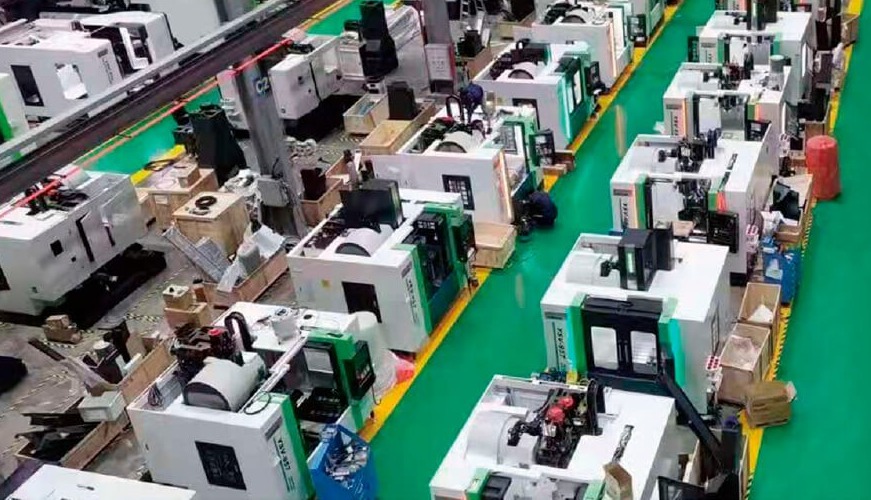
The heart of every CNC machine is its axis system, which manages the motion and manipulation of both the workpiece and the cutting tool. With the advancement of technology, CNC axis systems have improved from 2-axis systems to multipurpose axis systems.
It is important to understand CNC axis systems in order to use modern CNC machines to their full potential. This article will explain different types of CNC axis, new control technologies, their applications in the industrial sector, and the future trends shaping this field.
Types of CNC Axes and Their Functions
Here are the types of CNC Axes:
• 2-Axis Systems
The 2-axis CNC system is a basic configuration and is usually applied in very low-tech activities such as drilling or turning on the lathe. A 2-axis machine allows movement in X and Y coordinate planes only. These machines can cut or bore linearly; however, they are considered simple devices when it comes to complex geometries or multi-dimensional surfaces.
• 3-Axis Systems
The 3-axis CNC system has vertical movement (Z-axis), which performs more complex machining. In this system, the tool can move in three axes (X, Y, and Z), thus enabling the manufacture of parts with more complex geometries. The 3-axis CNC systems are considered the norm in most industries and are sufficiently flexible for many processes such as milling, engraving, and so on.
• 4-Axis and 5-Axis Systems
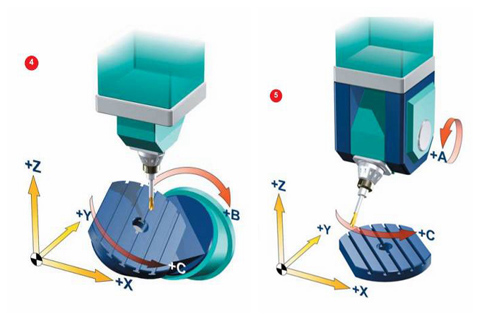
The complexities of manufacturing requirements are increasing, and the availability of demand for 4 and 5 Axis CNC Systems is on the rise. A 4-axis CNC machine has an additional rotary axis, usually from the X-axis or Y-axis, which allows the tool to get to the workpiece at various angles without manual repositioning. This is a common scenario in industries like jewelry making or woodworking.
Moreover, a 5-axis CNC time system offers further assistance in adding a rotary axis, allowing free movement of the cutting tool in all planes. This kind of versatility and accuracy is unsurpassed, making 5-axis machines particularly suited for industries where precision is of the utmost importance, such as airplane and automobile manufacturing.
• 6-Axis and Beyond
With time, 6-axis CNC machines are proving to be the new domain of machining, as more intricate parts can be manufactured with great accuracy. This is because the addition of the two additional rotational axes gives even more variety to the way in which a tool can reach a material, resulting in cuts that are less strenuous and more elaborate for sections.
Not only 5-axis supported machining being accepted in the market; 6-axis machines and even beyond are turning out to be the major enhancers in industries where the production of ultra-precision components is in high demand, such as orthopedic medical devices, complex shapes of aerospace parts, and intricate design samples.
Innovations in CNC Axis Control Technology
CNC technology has become advanced in controlling axis movements. The following are critical breakthroughs in CNC axis control technologies.
• High-Speed and Precision Motors
The functioning of CNC cutting and milling machines largely depends on the rotary motors that provide axial movement in speed and precision. Improvements in the last generation of stepper and servo motors made it possible to increase both performance and speed dramatically. Closed loop motor control provided by servo motors is the most advanced. This means that this type of machine continuously monitors its position and adjusts in real-time.
• Digital Twin Technology
Incorporating a digital twin is one of the most thrilling developments observed in regulating the CNC axis. A digital twin is a computerized representation of a machine or a process. This allows manufacturers to test the movements of the CNC axes before the actual production starts. This ability to carry out simulations helps find or reduce mistakes, improving the machining operations and even forecasting for maintenance. By digitally twinning a CNC machine, for example, manufacturers can play around with settings, tools, and materials without risking costly mistakes on the shop floor.
• Smart Sensors and IoT Integration
Smart sensors and Internet of Things (IoT) technologies embedded into CNC machines provide real-time control of the axes' movements. These sensors measure temperature, vibration, and position to ensure the machine does not operate outside a specified range. In case of any adverse effect on the machine's performance parameters, the system is designed to self-correct or warn the operators about the impending catastrophe.
• Artificial Intelligence and Machine Learning
The use of Artificial intelligence and machine learning in controlling CNC axes has become a big deal in recent years. This AI deep learning technology is capable of tracking the movements and performance of CNC machines over a long period and recognizing patterns that could not be identified by a human being. This allows the machine to optimize its own movements, adjusting speed and angles to improve efficiency and reduce tool wear.
Applications of Advanced CNC Axis Technologies
CNC axis advancements have multiple applications across various industries. Let’s discuss them!
1. Automotive Industry
The automotive industry leverages CNC technology in developing precision components. From the engine block to the elements of the gears, a CNC machine—in particular, the 4-axis and 5-axis—allows companies to create complex structure components with accuracy. Machine parts with multiple angles in a single setup reduce production time and enhance consistency, which is essential for mass production in automotive manufacturing.
2. Aerospace
In the aviation industry, accuracy and safety cannot be compromised. CNC machines, especially 5- and 6-axis systems, are important for manufacturing aerospace parts like turbine blades, engine parts, and airframes. The ability to machine intricate geometries and maintain tight tolerances is critical for ensuring the safety and performance of aerospace products.
3. Medical Devices
Medical device manufacturing has some of the most challenging machining processes when developing parts for products such as prosthetics, implants, and surgical tools. The use of 5-axis and 6-axis CNC machines is a normal practice when producing these devices, especially considering that they have to make complex geometries with the accurate precision required in the medical industry.
4. Custom Manufacturing and Prototyping
In advanced industries like custom jewelry manufacturing, sculpturing, and prototyping, advanced CNC axis systems create highly detailed and complicated designs. Such applications typically employ 4-axis and 5-axis CNC machines to carve intricate patterns, engravings, and forms that are impossible to achieve with traditional methods.
Multi-axis CNC equipment assists manufacturers in experimenting with complex geometries and materials without losing precision and quality. For instance, prototypes for automotive engine components or turbine blades can be prototyped accurately, thus making the functional test results meaningful. This feature shortens the time to market, which is one more reason why companies are willing to invest in advanced CNC axis technologies for prototyping.
Challenges and Solutions in CNC Axis Integration
Robust CNC axis systems have various benefits but come with challenges that must be addressed. Let’s discuss the challenges with solutions:
• Precision vs. Speed Trade-Off
One of the most challenging aspects of CNC Machining is the need for precision and speed simultaneously. High-precision machining requires slower axis movements to maintain tight tolerances, especially when working with intricate parts or hard-to-machine materials. However, some industries, like automotive and electronics manufacturing, require high-speed machining to achieve set production goals.
• Software Compatibility
Multi-axis CNC machines require sophisticated software to accurately manage tool paths, axis movements, and material engagement. However, integrating this software with machines from different manufacturers or legacy systems can be challenging.
Many CNC machine manufacturers leverage open-source platforms or proprietary software solutions that provide excellent compatibility across different machines.
• Maintenance and Reliability
The complexity of a CNC machine tends to rise with the number of available axes, which can lead to higher maintenance requirements. Multi-axis CNC machines have a more complex structure; more moving parts translate to more failure rates. If not properly managed, this enhances the risk of downtime and high maintenance.
A critical solution to this challenge is the utilization of predictive maintenance technologies. Sensors implanted in the CNC axis systems can register the machine's operational state in real time, identifying wear or mechanical stress even before it leads to a breakdown. This means that manufacturers can do maintenance work on schedule and avoid expensive delays caused by inefficiencies.
Future Trends in CNC Axis Technologies
Several trends are shaping the future of CNC axis systems. These trends are expected to push the boundaries of what CNC machining can achieve, offering greater precision, flexibility, and integration with other manufacturing technologies.
1. Hybrid Manufacturing
One of the most thrilling developments within the field of CNC machining technology is the innovative manufacturing process known as hybrid manufacturing. This technology combines conventional CNC machining processes with additive manufacturing (3D printing) processes. Through the hybrid model, manufacturers can employ CNC axis systems to machine high-density parts while using additive processes to form features or create internal configurations that cannot be machined directly.
This hybrid model of a system utilizing CNC axes can be used not only for the convenient and fast removal of the material but also for redirecting the additive heads to operate continuously. This trend is exceptionally good for the manufacturers in the aerospace sector, where there is an excellent need for intricate, light structures.
2. Robotics Integration
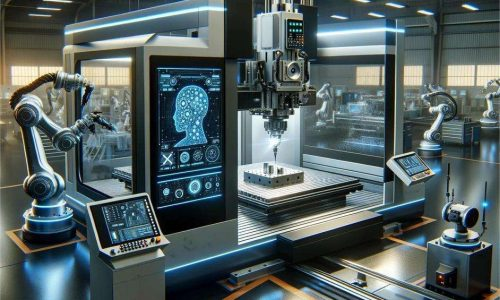
The integration of CNC axis systems and robotics is yet another promising technology trend. In this configuration, CNC Machines and robotic arms are used simultaneously. The CNC axes are responsible for the machining process, while the robotic arms perform operations such as loading and unloading the workpiece, polishing, or assembly. This increases the employment of automation to a higher level of flexibility and productivity in the manufactured components.
Integration of robotics is often seen as an advantage, mainly in smart factories, where multiple machines and robotic systems work together seamlessly. Therein, a CNC Machine with a multi-axis can engage in intricate machinations while the robotic systems manage logistics—all ensuring high efficiency.
3. Self-Learning CNC Machines
The future of CNC machining also heads toward self-learning systems, where artificial intelligence (AI) and machine learning (ML) are used to improve machine performance. AI algorithms analyze data from past machining operations to optimize tool paths, axis movements, and cutting speeds in these systems. This enables the machine to learn from previous jobs and improve efficiency over time.
For example, suppose a CNC machine identifies that a particular material type causes increased tool wear. In that case, the AI system can adjust the axis movements to minimize tool wear in future operations. Similarly, if the machine detects that specific machining parameters lead to better surface finishes, it can automatically apply those settings to similar jobs.
4. Sustainable Manufacturing Practices
As industries strive to reduce their environmental impact, developing sustainable CNC machining practices is becoming a significant focus. CNC axis systems are designed to be more energy-efficient, reducing power consumption without sacrificing performance. This is particularly important in sectors like aerospace and automotive, where energy consumption during production processes can be substantial.
Moreover, sustainable CNC machining also involves reducing material waste. Multi-axis CNC systems have already contributed to this effort by allowing for more precise material removal and reducing excess material and scrap. Integrating recyclable materials and green manufacturing techniques, such as reusing chips and coolant, is becoming more common.
Conclusion
Modern CNC axis technologies are changing the manufacturing process in many industries by offering machinists the ability to work with high precision, versatility, and speed. The evolution of the CNC axis system enables manufacturers to respond to upward trends in manufacturing processes, from simple, operated 2-axis systems to 6-axis systems, and above all, they are capable of making detailed and complicated parts.
Innovations in control systems, such as incorporating digital twins, complex AI optimizations, and IoT integration, are further enhancing the capabilities of CNC machines that were previously impossible. As these technologies continue to develop, innovations in the trends above will increase the scope of CNC axis system operations in the near future with aerospace, automotive, and healthcare.
Trends such as hybrid manufacturing, robotics integration, self-learning machines, and sustainable methods will determine how CNC machining will shape the future. With the widespread adoption of those trends, CNC axis systems will have an important place in smart, automated, and sustainable factories, sustaining manufacturing innovations and efficiency levels for many years to come.
Did you know the CNC industry market is expected to reach 84.5 billion USD by 2028, thanks to the CNC machine shops⸺major reason behind this impressive figure? CNC machine shops are essential in modern manufacturing, delivering unmatched precision in machining processes.
Utilizing advanced computer numerical control technology, these shops produce intricate parts and components with high accuracy, minimizing errors and waste.
However, selecting the right CNC machine shop is crucial. At Royal Yangsen, we specialize in advanced CNC machining solutions, ensuring precision and quality across diverse sectors.
Stay with us to explore CNC machine shops and their role in innovation and development.
Role Of CNC Machine Shops
CNC machine shops bring designs to life by producing complex parts for the aerospace, automotive, and medical industries. By blending human expertise with cutting-edge technology, CNC machining achieves high levels of accuracy, meeting the economic demands of precision manufacturing.
CNC machine shops have become indispensable in today’s developing world, where even minor deviations can lead to significant costs. The core of these processes lies inCNC machine, which offer unmatched precision and versatility. These tools are the driving force behind the efficiency and consistency that modern manufacturing demands.
Why CNC Machine Shops Are Essential
No one can underestimate the importance of CNC machine shops. These shops are high technology and skilled laborers using advanced technology to manufacture parts demanded in excellent quality.
CNC machining offers precision, accuracy, and the ability to repeat the same process, which benefits industries that require standards to be set and met more tightly. CNC machine shops experience a kind of industrial innovation that cuts the time used in production and prevents errors as much as possible.
Advanced engineering designs allow complicated sections of the part to be generated with precision and minimum possibility of flaws caused by human interpolation. From developing a product prototype to making the final product for the rapidly growing market, CNC machine shops make the realization of manufacturing dreams possible.
Services Offered By CNC Manufacturing Industries
A CNC manufacturing industry provides a diverse range of services to cater to different industries’ unique requirements:
Milling: A CNC shop uses rotating cutting tools to cut, machine, and shape materials such as metals, plastics, and wood. This process is essential for manufacturing complex components in the aerospace and automotive industries.
Turning: CNC turning is a process of cutting a rotating workpiece with a cutting tool applied through a lathe; it is suitable when making cylindrical parts such as shafts, screws, bolts, and rods.
Drilling:CNC drilling also helps to avoid misplacement of holes and gives uniformity in terms of positioning of holes and that the product meets the required standard.
Cutting: Water jets and laser cutting technologies enhance product cutting because they control cutting-edge pressure, so material strength is not compromised.
These services are tailored to meet industry needs, allowing organizations to produce specialized components or obtain large volumes through standardized outputs.
CNC Machine Shops and Manufacturing Efficiency
Flexibility is an important parameter in today’s production, and CNC machine shops are built to maximize this.
Unlike manual methods involving hands, these CNC machines operate 24/7 to produce full-fledged parts at incredible speed. This operation also increases production cycles, contributing to shorter delivery periods and costs.
CNC machine shops can take credit for decreasing rather sharply the time taken to setup. With the software type of system, once a design has been encoded, the computer can reproduce as many without readjustment.
This efficiency minimizes production delays, contributing to faster time-to-market.
Traditional methods may require trial-and-error iterations, but CNC machines cut precisely where needed, reducing resource consumption and enhancing sustainability.
Additionally, CNC machining minimizes material waste. Traditional methods may require trial-and-error iterations, but CNC machines cut precisely where needed, reducing resource consumption and enhancing sustainability.
Royal Yangsen supports various sectors, including aerospace, automotive, and medical, focusing on precision and efficiency, ensuring top-quality results.
Why Cnc Machining Is A Cost-Effective Solution For Modern Manufacturing
CNC machining is a cost-effective process because it enhances the productivity of the machines used in the workplace.
CNC machine shops provide excellent opportunities for enterprises looking to outsource their manufacturing components at a cheaper rate with quality work. Automation implies minimal human input, cutting down manufacturing costs.
Using raw materials in CNC machines is also efficient and another way of saving in the long run since there is little wastage.
Secondly, fewer production time cycles result in a shorter time between product conception and its availability to consumers.
CNC Machine Shops: Leading Changes in the Current Economies
CNC machine shops are foundational to several key industries, supporting innovation and precision:
Aerospace: Components used for aerospace applications are required to conform to great safety and efficiency. CNC machining produces parts and components, such as the turbine blades and engine parts, with high precision.
Automotive: Automakers turn to computer numerical control machine shops to produce automakers through important auto parts, including gears, pistons, and brake systems.
These components should be able to endure a variety of harsh environments, and the methods expounded here guarantee that there is massive production without having to sacrifice quality.
Medical: More often than not, medicine is all about perfect accuracy. Surgical instruments, implants, and prosthetics are manufactured in CNC machine shops and must be precise and constant as the equipment that saves lives depends on them.
Precision: The Heart of CNC Machining
Accuracy is inherent in operation with Computer Numerical Control Technology. Especially in such fields as aerospace or healthcare, even small defects in a part can cause catastrophic effects.
CNC machines run with high precision and follow set programs to the curve of micrometers. Such accuracy of the work makes CNC machining essential when it comes to producing the sections required to perform optimally in rigorous environments.
CNC Machine Shop and Selection Process
Both seasoned industries and start-ups require a suitable CNC machine shop to take products to market securely. A reputable shop does not only provide advanced technology but also with experienced operators and yields quality.
Here’s what to consider when choosing a CNC shop:
Experience: Any shop that wants to be a one-stop business will need to understand the various issues that might surround various industries.
Technology: Ultra-modern CNC machines provide precision and offer a guarantee for effectiveness.
Customer Support: Good shops are fully transparent and very supportive during the manufacturing process.
Selecting a reputed CNC machine shop guarantees that the final product conforms to the desired quality and lasts longer. When selecting CNC machines, comparing CNCmachine price points is essential based on your specific industry needs.
Customization and Flexibility in CNC Machine Shops
CNC machine shops excel in standard and custom manufacturing, making them invaluable to various industries. Whether you're developing a prototype or producing niche components, CNC machines offer the flexibility needed to meet diverse project requirements.
One of the benefits of CNC machining is its versatility in dealing with small-scale production runs. This is particularly important for companies requiring small quantities of custom components since specific designs are usually required.
In such instances, it becomes possible to achieve fast responses and alterations with the help of CNC technology, which can help companies optimize their products without the need for extensive, time-consuming corrections.
On the other hand, CNC machine shops are also involved in large-scale production requirements and can deliver consistent quality at high production levels. This blend of customization and standardization distinguishes CNC machining from conventional manufacturing processes.
In addition, CNC machines give high levels of accuracy in the work, meaning that even parts that are a product of customization will be accurate in dimensions. This is especially important to industries like aerospace and medical, where tolerances are the smallest and quality cannot be sacrificed.
However, the flexibility, accuracy, and effectiveness make CNC machine shops an ideal option for any company willing to introduce new products to the market while staying at a reasonable expense.
From creating one prototype to producing many of the same size and shape, any part of a manufacturing project demands flexibility – which is offered by CNC machining.
Emerging Trends in CNC Machining
The CNC machining industry is evolving with new technologies driving efficiency and innovation:
● 5-Axis Machining: Traditional CNC machines operate on three axes, but 5-axis machines add two more, allowing for greater precision and creating complex geometries.
● Automation: CNC shops are increasingly integrating automation to boost productivity. Robotic arms and material handling systems enable 24/7 operation with minimal human intervention.
● Sustainability: CNC machining is focusing on reducing material waste and energy consumption. Innovations in software and cutting techniques are improving overall sustainability.
Here is a quick comparison between traditional and advanced CNC machines.
Comparison of CNC Machine Features
Feature
Traditional CNC Machines
Modern CNC Machines
Number of Axes
3
Five or more
Software Integration
Limited
Advanced CAD/CAM
Automation
Minimal
High (Robotics/IOT)
Energy Efficiency
Standard
High
Looking To The Future Of Cnc Machine Shops
CNC machine shops are well-positioned to define the future of manufacturing. Using Artificial Intelligence in optimization, smart production, and advanced automation will revolutionize manufacturing capability.
Machining will keep getting enhanced by AI algorithms while, on its part, machine learning will forecast when a machine will require repair, thus minimizing the time a machine is out of use.
With the growing influence of IoT as a common platform between industries, CNC machine shops will be vital in shaping a more efficient interconnected manufacturing network.
Advanced CNC Machining And CNC Yangsen: A Reliable Collaboration
CNC Yangsenis a trustworthy CNC machine shop where we offer the best tools and solutions for your business requirements.
We offer modern technologies and superb quality CNC manufacturing machines.
In refining these processes and increasing sales leads, we allow businesses, irrespective of the field, including retail, real estate, and insurance, to go through their core business as we take care of their communication lines.
Our solutions eliminate cost issues and other operational inefficiencies, which helps us create a more satisfied customer base to meet changing demands in the current market.
Here are five compelling reasons to choose CNC Yangsen for your innovative CNC machine needs:
1. Cutting-Edge Technology
CNC Yangsen utilizes the latest advancements in CNC technology, ensuring precision and efficiency in every machine. Their innovative designs enhance productivity and reduce operational costs.
2. Custom Solutions
The company offers tailored solutions to meet diverse industry requirements. Whether you need specific functionalities or unique configurations,
3. Expertise and Experience
CNC Yangsen has several years of operations in the CNC industry and has managed to provide quality machines. It will elicit our talented workforce who can offer quality advice and assistance.
4. Comprehensive Support
CNC Yangsen also ensures that its after-sales customer support services are efficient, including training, maintenance, and troubleshooting to ensure smooth operations.
5. Competitive Pricing
We supply good quality machines at reasonable prices, providing good value for the cash invested. These qualities make CNC Yangsen ideal for helping several businesses since it is both reputed and cheap, depending on the deal cuts.
By choosing CNC Yangsen, you can leverage their innovative solutions to enhance your manufacturing capabilities.
The Bottom Line
CNC machine shops are vital in today’s manufacturing landscape, driving innovation and efficiency.
As the industry evolves, these facilities not only produce components but also shape the future of production through advanced technologies like automation, AI, and robotics.
Choosing the right CNC machine shop is crucial for businesses seeking exceptional service, competitive pricing, and faster turnaround times.
As for CNC Yangsen, we have inherited and continue to enhance this quality and reliability concept, which locates us in the leading CNC machining field. The core values of innovation and client satisfaction ensure we accurately shape machine parts with optimum quality.
A transformer is a device used for converting electrical energy, which can increase or decrease the voltage of alternating current to meet the needs of different circuits. The working principle of transformers is based on the principle of electromagnetic induction. Below, we will provide a detailed introduction to the production process and working principle of transformers.
The production process of transformers
The production process of transformers mainly includes the following steps:
1. Preparation materials: The main materials for transformers include iron cores, coils, and insulation materials. Prepare corresponding materials according to the specifications and design requirements of the transformer.
2. Coil winding: According to the design requirements, the wire is wound on the iron core to form primary and secondary coils.
3. Assembly: Assemble the wound coil, iron core, and other components together to form a complete transformer.
4. Testing: Test the assembled transformer to check whether its electrical and mechanical performance meets the design requirements.
5. Packaging: Qualified transformers are packaged for delivery and use after testing.
Working principle of transformers
The working principle of a transformer is based on the principle of electromagnetic induction, as follows:
When alternating current passes through the primary coil, an alternating magnetic field is generated, which passes through the iron core and generates induced electromotive force in the secondary coil.
Due to the electromagnetic coupling between the secondary coil and the primary coil, the induced electromotive force in the secondary coil is proportional to the current in the primary coil.
Therefore, by changing the current in the primary coil (i.e. changing the applied voltage), the induced electromotive force in the secondary coil can be changed, thereby achieving an increase or decrease in voltage.
4. In addition, according to the law of electromagnetic induction, the induced electromotive force is proportional to the number of turns in the coil. Therefore, by changing the number of turns in the coil, the voltage can also be increased or decreased.
In short, a transformer is an electrical energy conversion device based on the principle of electromagnetic induction, which can increase or decrease the AC voltage by changing the number of coil turns or the applied voltage. The production process of transformers includes steps such as preparing materials, winding coils, assembling, testing, and packaging. Understanding the production process and working principle of transformers helps to better understand and apply this important electrical equipment.
Drones, once only used in the military field, are now redefining precision agriculture. Nowadays, the number of farmers using drones on their own farms is steadily increasing. Various drones provide them with low-cost aerial camera platforms. In this way, farmers can monitor crops in an economically effective way. In use, drones are used to capture crop images, which are later processed by specialized software to obtain reflectance images of farm crops.
Currently, there are more and more extreme weather conditions. Accompanying the growth of the world population is a huge increase in the consumption of agricultural products. Considering these circumstances, more and more farmers are expected to use drone technology. The use of drones in the agricultural sector has brought many benefits. But like any other technology, drones also have their advantages and disadvantages, which intentional buyers should be aware of before making a purchase.
Advantages of agricultural drones
1. Agricultural analysis
Drones can be used for soil and farmland analysis. With the help of drones, accurate 3D maps can be generated for analysis of soil properties, soil moisture content, and soil erosion, which are crucial for precision seeding in planting modes. Even after planting, the above information on farmland irrigation and nitrogen level management is very helpful.
2. Planting
At present, although drone planting is not yet common, some manufacturers have proposed system solutions that hope to shoot pods containing seeds and plant nutrients into prepared farmland soil, which will greatly reduce planting costs.
3 Monitoring
One of the biggest obstacles in agricultural production is the inability to efficiently monitor crops in large areas of farmland. The emergence of unpredictable weather patterns leads to increased risks and maintenance costs, making this obstacle even worse. Drones can be used to create time series animations that display accurate crop growth conditions, allowing for better management of crops by showcasing their precise growth processes.
4. Agricultural spraying
By using ultrasonic echoes and lasers, drones can adjust their flight altitude according to changes in terrain and geography. The ability of drones to scan and adjust their distance from the ground enables them to spray the correct amount of medication in real-time and evenly. This improves efficiency and minimizes the amount of groundwater infiltration. The use of drones for spraying has been proven to be faster than other traditional methods.
5. Irrigation
Drones equipped with thermal and hyperspectral sensors can identify parts of the field that have become dry, which can help people irrigate accurately and timely at specific locations.
6. Health assessment
Some drones can scan crops through visible light and near-infrared light, and the light processing equipment they carry can recognize the amount of green light and near-infrared light reflected by plants. These data are then used to develop multispectral images that describe the health status of plants. These images can be used to track the health status of crops and provide recommendations for remedial measures upon detecting any diseases.
7. Easy to deploy
Unlike traditional aircraft, drones are easier to deploy and have lower costs.
Disadvantages of agricultural drones
1. Flight time and range
There are also some issues with agricultural drones, with most drones having a short flight time, typically between 20 minutes and 1 hour. This flight time limits the area that each flight battery can cover. And the flight range also limits the radius within which a single drone can fly. Drones with longer flight times and larger flight radii are expensive.
2. Initial purchase cost
Drones that can be used in the agricultural field are quite expensive. The current cost of fixed wing drones is as high as $25000. There are also some drones whose high prices include hardware, software, tools, and imaging sensors.
Purchasing drones without relevant equipment is cheap, but the high cost of cameras and processing software that meet the requirements makes the difference between the two not significant. However, the cost of purchasing a complete set of agricultural drone equipment in the short term is high, but it is worth it in the long run.
3. Federal laws
According to federal law in the United States, drones used for agricultural purposes are considered commercial, which means farmers need to receive FAA operator training and obtain remote driving certificates or hire operators with such qualifications. The FAA also requires drones to fly at an altitude not exceeding 400 feet.
Interference within the airspace of 4
Agricultural drones and manned aircraft share the same airspace, making them susceptible to interference with each other. Therefore, it is recommended to submit a flight plan to the local airport or FAA before using the drone.
5. Highly affected by weather conditions
Unlike traditional aircraft, drones are more susceptible to the influence of climate conditions. If it is windy or rainy outdoors, the drone will not be able to fly.
6. Knowledge and skills
The images obtained by drones require professionals to convert them into useful information, which means that ordinary farmers may need to attend training or have to hire professional analysis software personnel to assist with image processing.
Drone technology is constantly improving every day, and as more and more manufacturers enter the industry, the cost of drones and related equipment will decrease. It is expected that limitations such as flight time and range will be addressed through technological improvements. This will enable farmers to gain more benefits from the use of drones.
In today's rapidly developing electric vehicle market, choosing the right charging station has become one of the important issues faced by car owners. What is the difference between DC charging stations and AC charging station areas? What aspects are different? What are the applicable scenarios for each? How to choose different scenarios? This article will provide you with a detailed explanation.
Working principle of DC charging station and AC charging station
The charging process of electric vehicles requires the conversion of alternating current (AC) from an external power source into direct current (DC) stored in the battery. The AC charging station hands over this conversion process to the car charger, which converts the external AC power into DC power for storage. The DC charging station completes the conversion process from AC to DC inside the charging station, directly supplying DC power to the electric vehicle battery.
Advantages and Applications of Communication Charging Stations
The AC charging station (commonly known as "slow charging") charges the battery of an electric vehicle through a car charger, and the charging process requires the car charger to convert AC power into DC power. This method of charging is relatively slow, but it causes less battery damage.
1. Lower cost: Due to the simple converter of AC charging stations and the fact that the main power conversion is completed inside the car charger, the cost of AC charging stations is lower compared to DC charging stations.
2. Easy installation and maintenance: AC charging stations have a small volume, flexible installation, and relatively low requirements for ground bearing capacity, making them easy to install and use in personal residences, commercial buildings, and other places.
3. Wide applicability: Almost all electric vehicles support AC charging, making AC charging stations more widely applicable.
However, the charging efficiency of communication charging stations is relatively low, usually taking several hours to complete the charging process, making them more suitable for situations where people stay at home or work for a long time.
Advantages and Applications of DC Charging Stations
Flow charging stations (also known as "fast charging stations") directly convert alternating current into direct current to quickly charge the batteries of electric vehicles with high power. This method can bypass the limitations of car chargers and directly charge the battery, resulting in a faster charging speed.
1. Fast charging speed: The most significant advantage is the fast charging speed. For consumers in urgent need of quick power replenishment, DC charging stations can charge electric vehicles to around 80% of their capacity within 30 minutes, greatly improving charging efficiency.
2. High efficiency conversion: Due to the fact that the power conversion process is completed inside the charging station, energy transmission losses are reduced and charging efficiency is improved.
3. High degree of intelligence: DC charging stations are generally equipped with more advanced control systems and user interfaces, which can provide more charging management and payment functions.
The main disadvantage of DC charging stations is their high cost and relatively strict installation and maintenance requirements. Therefore, they are more commonly installed in public charging stations and fast charging networks.
Comparison of Core Differences between DC Charging Stations and AC Charging Stations
1. Charging speed
DC charging station: Due to its high charging power, usually above 60kW, there are other specifications such as 30kW, 120kW, 160kW, 360kW, 380kW, etc. Supercharging stations can even reach 800kW, so the charging speed is faster. In an ideal situation, the battery can be fully charged within 20-150 minutes;
AC charging station: The charging power of AC charging stations is generally low, usually around 7kW, and there are other specifications such as 3.5kW and 11KW, so the charging time is longer, usually taking 8-15 hours to fully charge the battery;
2. Charging pile cost
DC charging station: The manufacturing and installation costs of DC charging stations are relatively high, requiring large volume transformers and AC-DC conversion modules, which are much more expensive than AC charging stations;
Communication charging station: The manufacturing and installation cost of communication charging stations is relatively low, the structure is simple, the volume is small, and it is easy to install and popularize;
3. Volume of charging station
Due to the large number of internal components, the volume of the DC pile is relatively large, and its charging gun head has nine holes;
The modules of the communication station are relatively few and the volume is small, with a 7-hole charging gun head;
4. Impact on batteries
DC charging station: DC charging stations may cause certain damage to the battery during the charging process, as their output current is high and they release more heat during charging. High temperatures may lead to a sudden decrease in battery capacity and damage to the battery cells;
AC charging station: Due to its low charging power and long charging time, AC charging stations do not cause excessive impact on the battery, which is beneficial for extending battery life;
5. Protection level
DC charging station: Generally, DC charging stations are more commonly used in complex outdoor scenarios, facing more complex weather such as rain and snow, with higher protection levels, generally above IP54 protection level.
AC charging station: Generally, DC charging stations are more commonly used in indoor garage scenarios, facing relatively simple environments and requiring lower levels of protection.
6. Adapt to the scene
DC charging station: Due to its fast charging speed, DC charging stations are suitable for installation in charging stations next to highways, taxi and bus stops, and other scenarios that require high charging time.
Communication charging station: Communication charging stations are suitable for installation in residential areas, parking lots, and other places to meet daily charging needs, especially suitable for night charging because users can charge at night and the battery will be fully charged the next day when using the vehicle.
How to choose between DC charging station and AC charging station?
Choosing the appropriate type of charging station should be based on the following considerations:
1. Charging speed requirement: If you often need fast charging, a DC charging station is a more suitable choice. But if most of the time is spent parking at home or work for a long time, then AC charging stations can meet the demand.
2. Installation site: Considering the installation cost and the adaptability of charging piles to the environment, individual residences and small businesses are more suitable for installing AC charging piles.
3. Budget: If the budget is sufficient, it is possible to consider equipping DC charging stations in public places to attract more electric vehicle owners to use them. However, if the budget is limited, AC charging stations are a more economical choice.
Current situation and development trend of charging pile market
The market concentration of DC charging piles is relatively high, with the market share of major operators reaching 85.2%, and the number of public DC piles continues to grow, but the proportion has decreased. Communication charging stations: Due to their low cost and ease of promotion, communication charging stations are commonly built in residential areas, parking lots, and other places.
With the continuous expansion of the electric vehicle market, both DC charging piles and AC charging piles will be more widely used. In the future, with the advancement of technology and the decrease of costs, both will improve in charging speed, intelligence level, cost-effectiveness, and other aspects. At the same time, new charging technologies such as wireless charging will gradually mature, bringing more and more convenient choices for electric vehicle users.
What is the best size to choose for civilian transformers?
When choosing a civilian transformer, the appropriate capacity depends on the specific usage scenario and requirements.
For household appliance transformers, the general recommendation is to choose a transformer that can carry 80% of the rated power of the equipment. This is because inductive loads (such as motors) have a large instantaneous current when starting, so using 70% of the rated power is sufficient. If it is only used for a short period of time, even smaller power can be selected. For example, choosing a 220/110V transformer with a power range of 50-60W can meet the needs of most households, while also providing appropriate power surplus.
For larger civil buildings or residential areas, the selection of transformers needs to consider the reliability of power supply, initial investment costs, and operational economics. When considering transformer capacity, it should be calculated and determined based on actual load. For example, for the calculation of electricity load in residential buildings, the unit index method needs to be combined with coefficients for calculation. For example, a coefficient of 0.6 can be applied to 30 households per unit, a coefficient of 0.5 can be applied to 60 households per building, and a coefficient of 0.4 can be selected for transformers in 240 households. In addition, as mentioned in typical examples, for the case of 900 households, using a three-phase distribution coefficient of 0.26 and a power consumption of 6kW per household, it is appropriate to calculate the transformer capacity with a load of 1404kW.
In summary, when choosing a civilian transformer, the appropriate transformer capacity should be determined based on specific usage scenarios and requirements. For household use, a transformer of 50-60W can be selected; For larger residential areas or civil buildings, it is necessary to calculate the specific electricity load and select the appropriate transformer capacity to ensure the reliability, economy, and environmental friendliness of power supply.
Power supply design is an unavoidable issue in current hardware product design. In the previous article, we have discussed several types of DCDC converters. Today, we will explore another low loss buck boost scheme: transformers.
A transformer is an electromagnetic component of a circuit used to change the alternating voltage. It can convert one AC voltage into another through electromagnetic conversion while keeping the power basically unchanged.
Application of Transformers
In the power system, transformers are widely used for increasing or decreasing voltage. It can be used for electrical isolation, significantly improving system safety and reducing the risk of electric shock; The use of transformers also achieves grounding system separation, which can effectively suppress common mode noise; Provided DC isolation to protect sensitive circuits; Simultaneously achieving voltage conversion and impedance matching while isolating; Restricting the scope of fault propagation and improving system reliability; Improved electromagnetic compatibility, helping to meet EMC requirements; Support multiple winding applications and adapt to complex system requirements; It can also be used for special applications such as signal coupling, phase adjustment, and harmonic suppression. These advantages make transformers an indispensable key component in fields such as power, industry, healthcare, and communication, providing solid guarantees for the safety, efficiency, and reliability of modern electrical systems and greatly promoting the development of modern power systems.
Working Principle of Transformer
The working principle of transformers is based on the law of electromagnetic induction. Its electromagnetic structure consists of two or more coils wound around the same iron core. In practical structures, there will be insulation materials used between windings and between windings and iron cores, as well as between the casing and cooling system.
When AC current passes through the primary coil, an alternating magnetic field is generated in the iron core. This alternating magnetic field will induce voltage in the secondary coil. By adjusting the turns ratio of the primary and secondary coils, different output voltages can be obtained. Usually, transformers have more than one circuit, for example, single-phase transformers have two circuits, while three-phase transformers have six circuits.
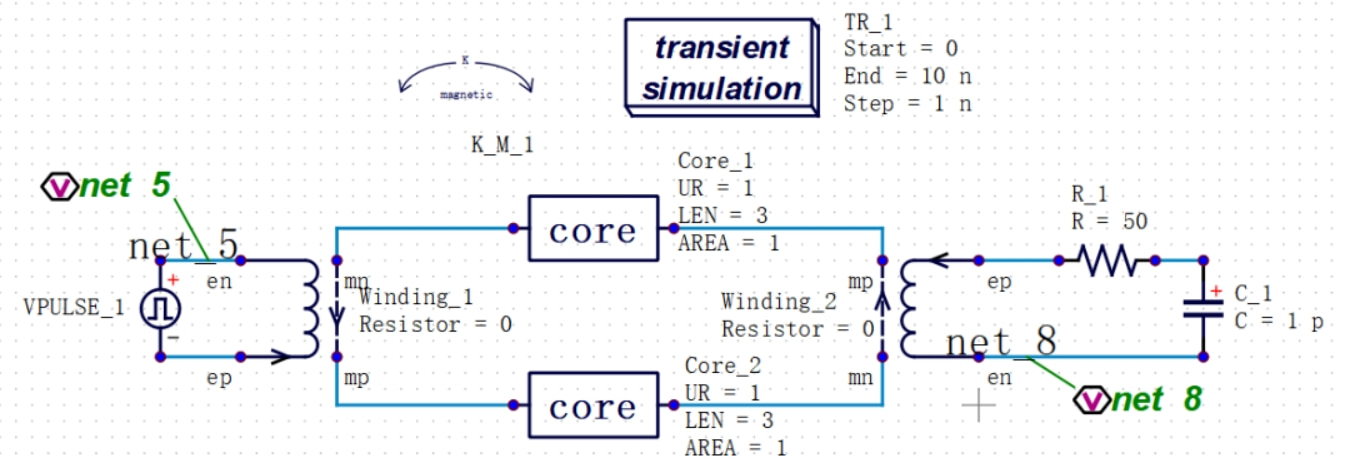
The iron cores and winding materials of different transformers vary greatly. Julin Technology's PowerExpert supports simple and flexible custom transformer construction. Custom transformers can be built using winding, core or non-linear core, and winding binding (K_Magnatic) devices. The ideal magnetic core supports setting magnetic permeability, cross-sectional area and length, while the nonlinear magnetic core supports setting shape parameters, magnetic domain wall bending constant, hysteresis loss coefficient, saturation magnetization intensity and other coefficients. The magnetic core and winding are set to belong to the same transformer through winding binding devices.
Build a simple custom transformer using PowerExpert software, where the winding has 5 turns and 10 turns, as shown in the following figure:
Perform transient simulation, and the simulation results obtained are shown in the following figure:
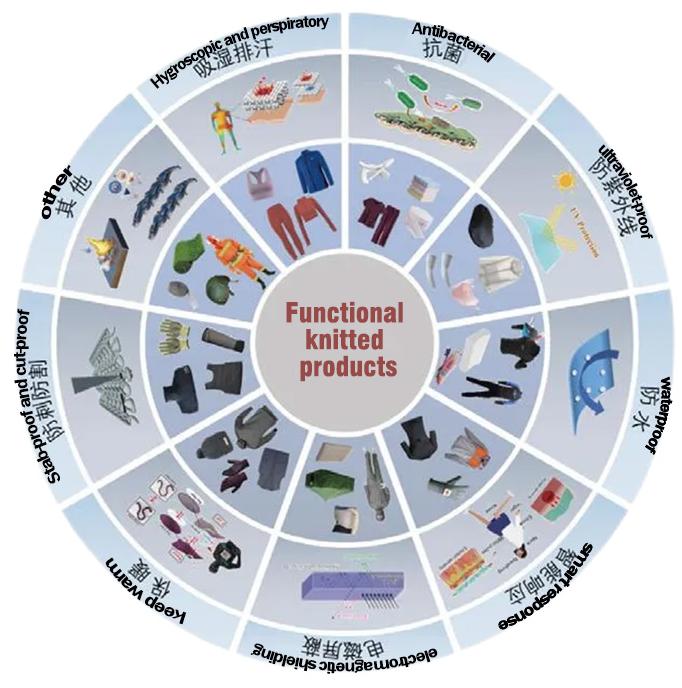
Knitting products are widely used in the three major fields of wear, decoration and industrial use, forming a relatively complete knitting industry chain. Functional knitting products include sports apparel, medical assistance products, military defense supplies & fashion apparel developed through the integration of high-tech material with knitting technology, which not only meet the increasingly diverse needs of people,but also innovate in combination with cutting-edge technology. With the rapid development of science and technology,various functional & diversified products combining traditional textile technology emerge in endless stream. According characteristics of knitted fabrics, functional knitting products, as an important product combining textile technology and scientific innovation, are gradually becoming new focus of the development of the textile industry. At the same time,with the development of green functional knitting products, functional knitwear is not only the result of technological innovation, but also embodiment of market demand and sustainable development trends.
1. Hygroscopic and perspiratory knitted products
The wetting process of sweat involves the contact and penetration between sweat and fiber and fabric surface. The water in this process mainly depends on the capillary action between fiber and yarn to move, and the water finally evaporates rapidly through the fabric surface to achieve the quick-drying effect. Moisture wicking fabric can effectively reduce the retention time of sweat on the skin surface, keep the skin dry and reduce the growth of bacteria, improve the wearer's comfort. Related applications in sports products include cycling clothing, yoga clothing, sports underwear, sports shoes, etc.
2. Antibacterial knitting products
Antibacterial knitted fabrics can realize antibacterial function through five ways: natural antibacterial fiber, regenerative antibacterial fiber, synthetic antibacterial fiber, modified antibacterial fiber and antibacterial agent finishing and processing. On this basis, combined with organizational structure design, product performance can be further optimized and bacterial growth can be effectively inhibited. At present, antibacterial knitting products are used in daily use, medicine and other fields.
3. Uv protection knitted products
Uv protection can be achieved through functional yarns or functional finishing (sunscreen reagents, functional coatings). Anti-ultraviolet function products can effectively block ultraviolet radiation, make the wearer feel more comfortable, extend the service life of the product, in outdoor, use, automotive materials and other fields have been developed and applied.
4. Waterproof knitting products
Waterproof knitted products are made by functional yarn or special finishing technology, which can effectively prevent water from penetrating into the interior of knitted products, prevent stains, fading and fabric deformation caused by water, and improve the durability and quality stability of products. At present, waterproof functional knitting products are used in outdoor sports, daily protection and other fields.
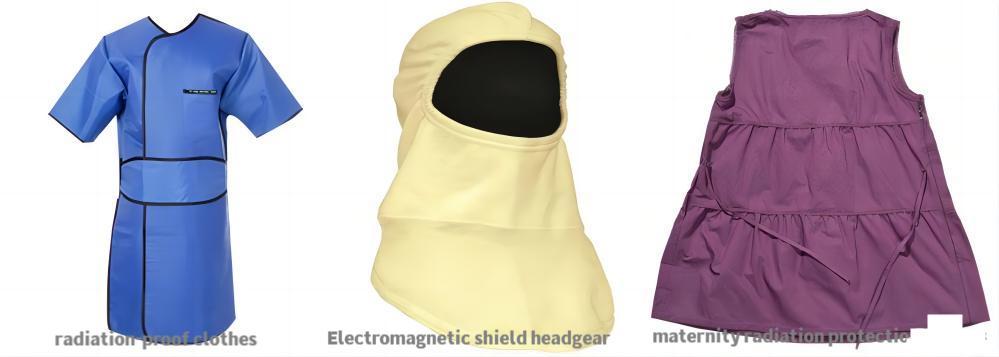
5. Electromagnetic shielding knitting products
Electromagnetic shielding knitting products are used in daily use, military defense and other scenarios. Electromagnetic shielding fabric is an excellent shielding material made of functional yarn with both light weight, flexibility and strength. It is widely used because of its thin and light, good surface adhesion and a large number of grid structures. At present, the design principle of electromagnetic shielding fabrics is mainly to use the conductivity of the material to metalize the surface of the fabric to form a metal conductive layer, or to make conductive filament and conductive yarn first, and then weave into the fabric, so that the metal conductive grid is formed inside the fabric.
6, Smart responsive knitting products
Intelligent response technology provides more possibilities for the development of functional knitting products, in addition to the traditional clothing field, intelligent response knitting products can also be applied to medical, sports, military and other fields. Through intelligent components, knitting products can achieve a variety of functions such as health monitoring, position tracking, and temperature regulation.
7. Warm knitting products
Warm knitting products can be used to form a static air layer inside the fabric through the selection of functional fibers or yarns with warmth, combined with the tissue design, to reduce heat loss, and can also be adjusted by the weaving process parameters (such as density, thickness, etc.) to improve the thermal performance of the fabric. A wide range of warm knit products, including warm underwear, warm coats, warm knee pads and so on. The composite fiber prepared by special process not only makes up for some performance shortcomings of natural fiber, but also shows superior thermal performance. The knitted products prepared by it can also have other properties, such as antibacterial, antistatic, breathable and so on, while having warmth.
8. Stab-proof and cut-proof knitting products
Stab-proof and cut-proof products are widely used in military, medical, sports and other fields, including anti-cut neck guard, stab-proof clothing, stab-proof vest, cut-proof gloves and other products. Among them, flexible stab-proof clothing can not only meet the requirements of special occupations for protective performance, but also suitable for daily wear because of its comfort, which is a research hotspot in recent years. Bulletproof textiles made from high-strength fibers such as ultra-high molecular weight polyethylene (UHMWPE) or aramid provide some protection against projectiles such as shrapnel and ammunition fragments. The traditional full overlay design limits the energy absorption of the composite during ballistic impact. In contrast, the checkerboard design formed by polycarbonate (PC) film and aramid can effectively improve the ballistic performance. The bullet-proof performance of the checkerboard PC film also increases with the increase of the number of spacer layers.
9. Other functional knitting products
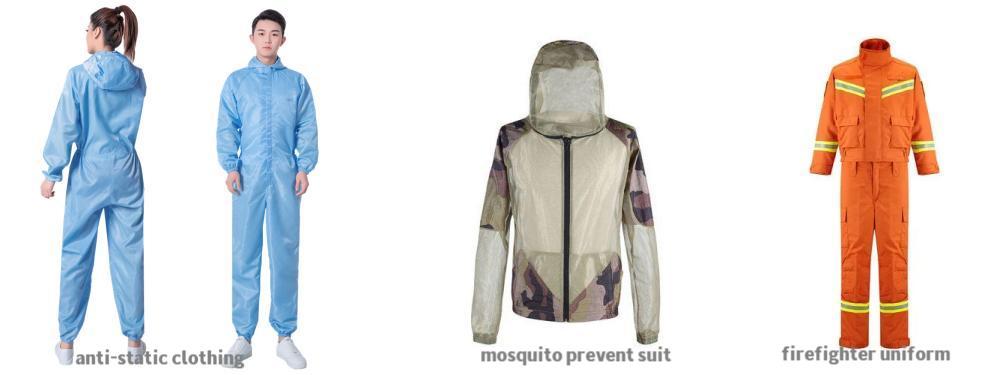
Other functional knitting products also include fire retardant, anti-static, anti-mosquito and other products. Among them, the development of antistatic knitting products mainly involves material selection, fabric structure design, application of antistatic finishing technology and many other aspects.
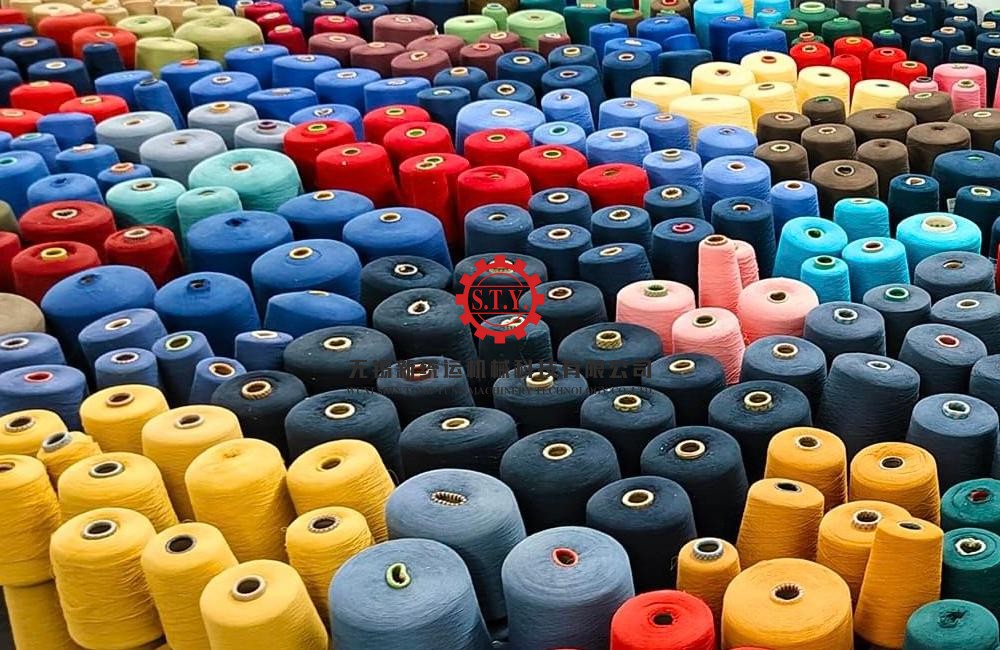
Bobbin dyeing technology: subjective reasons cause of non-recurrence of yarn through cone yarn dyeing are roughly as below: winding quality, dye selection, dyeing process, operating factors, management problems, etc.
WINDING QUALITY INFLUENCES REPRODUCIBILITY
(1) Bobbin weight: When dyeing by immersion method, the depth of apparent color depends largely on the weight ratio of dye to yarn. In generally, only the number of bobbin is counted when the yarn is put on the cone yarn carrier, no longer weighed again. Therefore, the winding weight determines weight of loading yarn, be weighted after soft winding. Many factory production practices have proved that even without a fixed length meter, it is completely possible to weigh each bobbin and control the weight within the range of ± 1%. Some dyeing plants use "card" to measure the outside diameter, but because of the large error, it is not suitable. The different size of package yarn after dyeing also will get color difference betweent bobbin yarn.
(2) Bobbin winding density: The winding density of soft bobbin with direct relationship to resistance of circulation of dyeing liquor . High density, high resistance. Resistance magnitude affects shape of dyeing liquor circulation resistance curve, then affects main circulation pump, affects the circulation flow of the dye fluid, the circulation frequency of dye fluid and number of cycles within specified time are changed, so the amount of dye on yarn is changed, causing the color of yarn to be deep or shallow.
When some bobbin winding density is too small, sometimes the yarn will be out of the "groove", sometimes caused "collapse", the dye liquid will get "short circuit", not only the yarn is washed and dyed unevenly, but also rest bobbin dye liquid circulation will be reduced and cause light color.
(3)"Hole exposure" : Because the bobbin and the beam coil are full of holes for the dye to travel through, when the bobbin is not properly wound, or the reciprocating distance is not enough, "hole exposure" will occur. When dyeing, because the warp shaft is placed vertically in the main body of high pressure cone yarn dyeing machine, if winding is too loose, the yarn will fall due to gravity after wetting at sometimes, resulting in upper "hole exposure". The dye liquor will "short circuit" from the "exposed hole", not only wash the yarn on the end of the bobbin, but also affect the flow capacity of other bobbin.