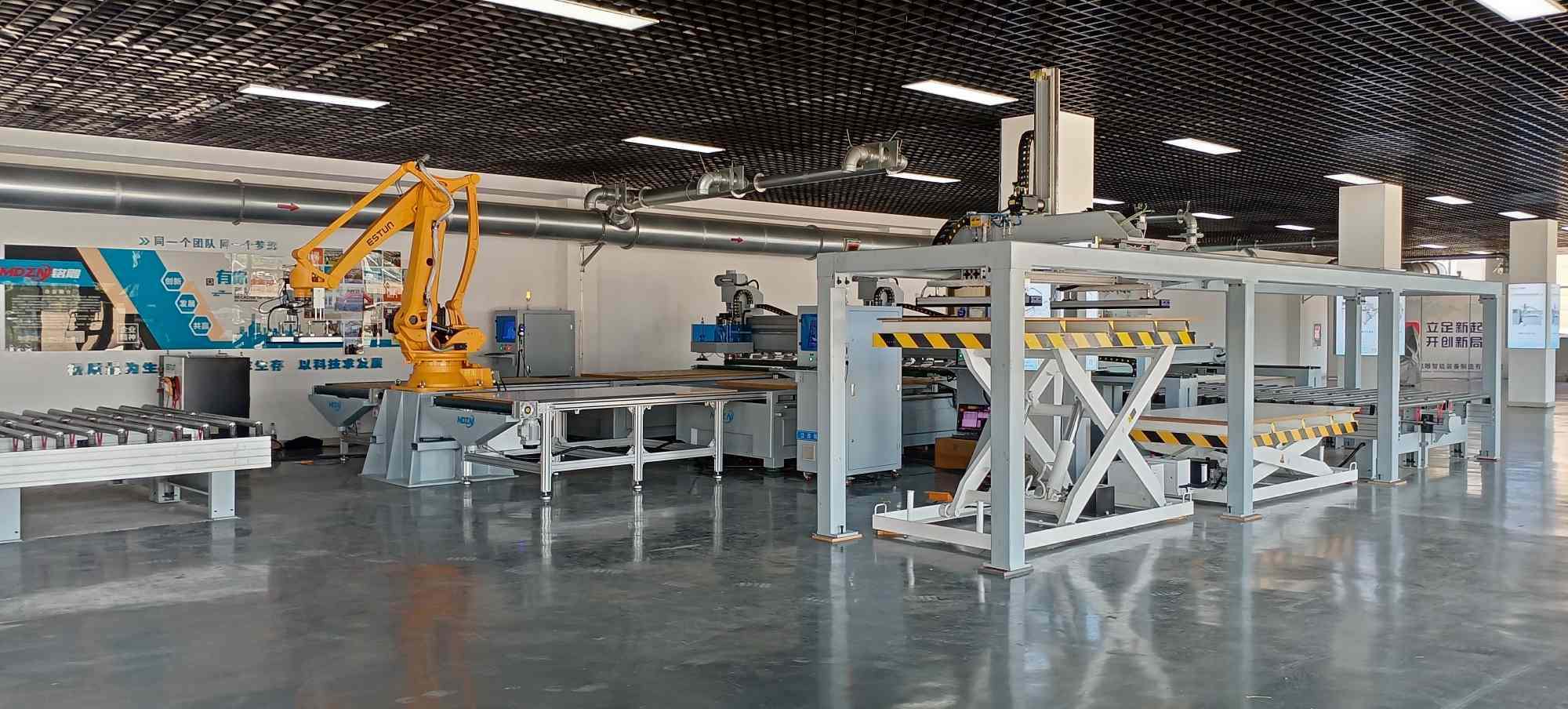
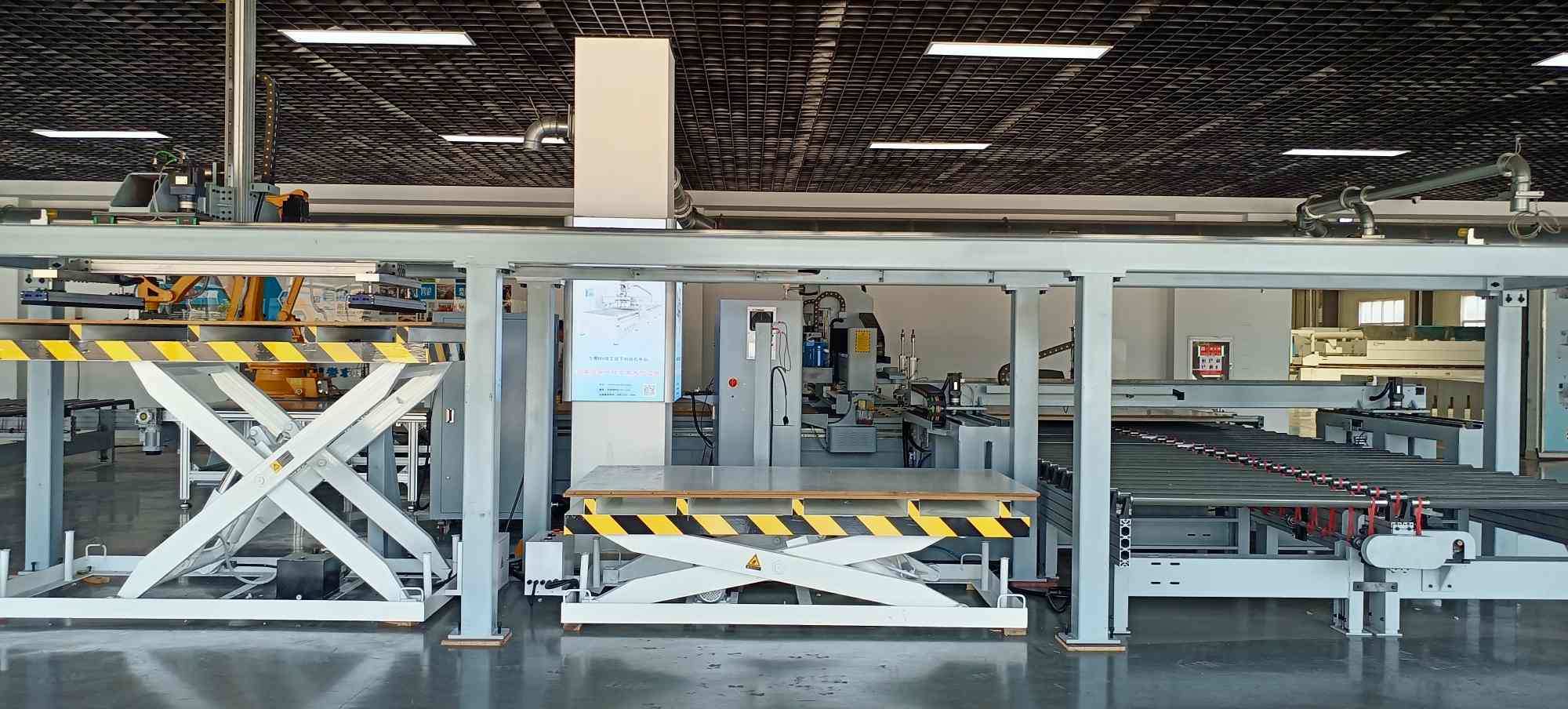
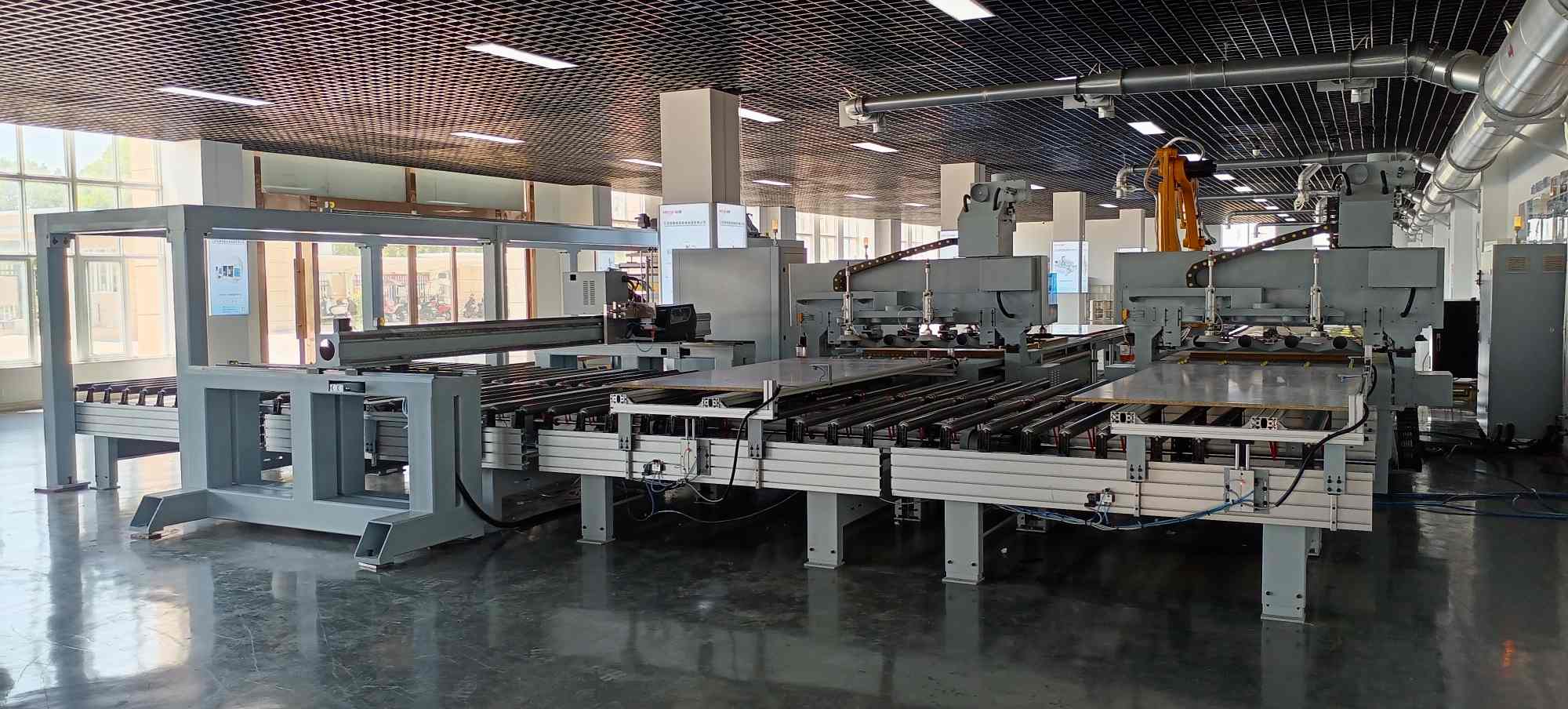
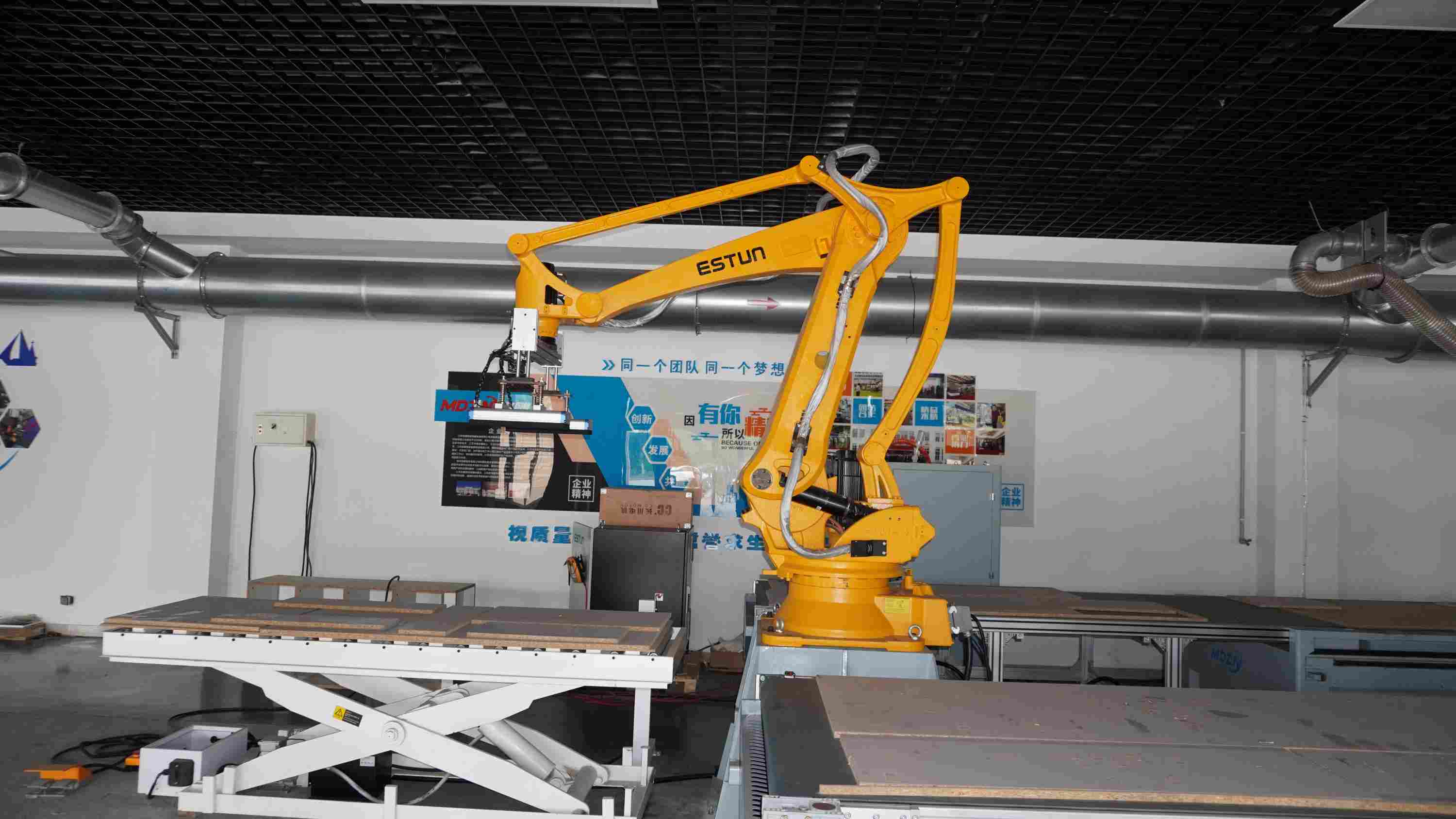
Daily Maintenance of Block Making Machines 5 Steps to Extend Equipment Lifespan


Abstract: As a core piece of equipment in modern building material production, the operating condition of block-making machines directly affects product quality, production costs, and enterprise economic benefits. This paper aims to explore how systematic and standardized daily maintenance strategies can effectively extend the service life of block-making machines. Based on equipment management theory and engineering practice, the paper focuses on proposing and discussing five key maintenance steps: "Cleaning and Inspection, Lubrication Maintenance, Tightening and Adjustment, System Monitoring, and Recording and Management." By analyzing the specific implementation content and theoretical basis of these five steps, the paper demonstrates their crucial role in preventing equipment failures, reducing wear rates, and enhancing overall efficiency. It provides a practical and effective solution for enterprises to achieve cost reduction, efficiency improvement, and sustainable development.

  •  
  •  
  •  


1. Introduction      

With the rapid development of China's construction industrialization, block products are widely used due to their environmental friendliness and energy efficiency. The block-making machine, as a key piece of equipment on the production line, incurs high acquisition and maintenance costs. In actual production, many enterprises exhibit a tendency to prioritize usage over maintenance, leading to prolonged periods of suboptimal equipment condition. This results in frequent unplanned downtime, with effective service life falling far short of the design lifespan, severely constraining production efficiency and profitability.    


The shortening of equipment lifespan primarily stems from gradual wear, corrosion, loosening, and aging—processes that can be actively intervened in and delayed through scientific daily maintenance. The traditional "fix-it-when-it-breaks" reactive maintenance model is no longer suited to the pace of modern production. Therefore, establishing and strictly implementing a standardized, proceduralized daily maintenance system is of paramount importance. The five-step maintenance method proposed in this paper translates complex maintenance engineering principles into clear, daily executable procedures for frontline operators. Its goal is to ensure equipment reliability from the source and achieve the minimization of total lifecycle costs.


2. Five Core Steps for the Daily Maintenance of Block-Making Machines

2.1 Step One: Comprehensive Cleaning and Detailed Inspection      

Cleaning is the foundation of maintenance. Its purpose is not only to maintain the equipment's appearance but also to promptly identify potential issues.      


Cleaning Tasks: After daily production concludes, specialized tools must be used to remove concrete residue, accumulated dust, and oil stains from the mold, vibration table, pallet feeder, and conveyor belts. Residue accelerates equipment corrosion and affects vibration effectiveness and dimensional accuracy.  


Inspection Tasks: During the cleaning process, a "look, listen, question, and check" inspection of the equipment should be conducted simultaneously. Focus on observing whether the mold has cracks or deformations, whether bolts have visible loosening, whether hydraulic pipelines and joints have leaks, and whether wires and cables are damaged or aged. This step constitutes the first line of defense for fault warning.


2.2 Step Two: Systematic Lubrication Maintenance      

Statistics indicate that over 50% of mechanical failures originate from poor lubrication. The purpose of lubrication is to form a stable oil film between friction pairs to reduce wear, dissipate heat, and prevent rust.      

Key Implementation Points: It is essential to strictly follow the lubrication chart provided by the equipment manufacturer, adhering to the principles of "specific point, specific type, specific quantity, specific timing, and specific personnel." This means applying the specified type of lubricant/oil/grease, in the specified amount, at the specified lubrication points, within the specified time cycles, and by designated personnel. Common lubrication points include bearings, guide rails, chains, gears, etc.


2.3 Step Three: Tightening and Adjustment of Critical Parts      

Block-making machines operate under continuous high-frequency vibration, whichis extremely prone to leads to loosening of connectors and displacement of transmission components.      


Tightening Tasks: Regularly (e.g., weekly or bi-weekly), tools like torque wrenches should be used to comprehensively inspect and tighten the connection bolts at critical parts such as the frame, mold, and vibration motors, preventing component damage or safety incidents caused by loosening.    


Adjustment Tasks: Check the tension of transmission belts or chains. Excessive tightness increases load, while excessive looseness leads to slippage and loss of accuracy. Simultaneously, check the positioning accuracy of actuators like the pallet feeder and stacker, making adjustments as necessary to ensure smooth and precise movement.


2.4 Step Four: Hydraulic and Electrical System Monitoring      

The hydraulic and electrical systems are the "circulatory system" and "nervous system" of the block-making machine, respectively, and their stability is crucial.      


Hydraulic System: Check daily whether the hydraulic oil level is within the marked range, observe if the oil color is clear and transparent, and periodically sample and test for viscosity and contamination. Listen for abnormal sounds from the pump station and check cylinders, valves, and pipelines for leaks.      


Electrical System:Keep the interior of the electrical control cabinet clean, dry, and well-ventilated. Regularly inspect main contactors and relays for contact burning, and ensure wiring terminals are tight to prevent short circuits or overloads due to poor connections.


2.5 Step Five: Standardized Recording and Systematic Management      

Maintenance records are key to transitioning from "experience-based management" to "scientific management." Establish Maintenance Logs: Create an independent "health file" for each piece of equipment, detailing daily cleaning, lubrication, inspection, tightening, and all abnormal conditions. Record content should include time, operator, problems discovered, and actions taken.      


Data-Driven Decision Making:By analyzing maintenance record data, equipment wear patterns can be summarized, replacement cycles for wearable parts can be predicted, enabling more forward-looking predictive maintenance and providing data support for planning major overhauls.


3. Benefit Analysis of the Five-Step Maintenance Method for Extending Equipment Lifespan      

Implementing the aforementioned five-step maintenance method can significantly extend equipment lifespan across multiple dimensions: Reduce Failure Rate: Through preventive maintenance, potential faults are eliminated in their early stages, greatly reducing unplanned downtime.      


Delay Performance Degradation: Continuous cleaning, lubrication, and adjustment effectively control the rates of wear, corrosion, and aging, allowing the equipment to maintain over 90% of its new-machine condition for extended periods. Enhance Overall Efficiency: Increased equipment stability directly leads to improvements in production efficiency and product qualification rates. Control Lifecycle Costs: Although daily maintenance requires investment in manpower and material costs, compared to the high expenses of major repairs and downtime losses, its return on investment is extremely high, effectively reducing the total lifecycle cost of the equipment.


In summary, the long-term stable operation of a heavy duty cement block production machine is not accidental but stems from rigorous, scientific daily maintenance management. The five steps expounded in this paper—"Cleaning and Inspection, Lubrication Maintenance, Tightening and Adjustment, System Monitoring, Recording and Management"—constitute a complete, closed-loop equipment maintenance system. It emphasizes physical maintenance of the equipment's hardware state and also encompasses the concept of data-driven management. If enterprises can implement it as a mandatory system and strengthen training for operators and maintenance personnel, they will undoubtedly maximize equipment potential, significantly extend its service life, and thereby secure a sustained competitive advantage in the fierce market competition.


The Effect of Concrete Proportion on the Production Efficiency of Block Machine


With the acceleration of construction industrialization, concrete blocks, as a new type of wall material, are increasingly widely used in construction projects due to their advantages such as environmental friendliness, high efficiency, and cost-effectiveness. As the core equipment for concrete block production, the production efficiency of automatic block-making machines directly determines the output capacity of blocks and the economic benefits of enterprises. The concrete mix proportion, being a fundamental of block production, not only affects the core properties of blocks, such as compressive strength and durability, but also directly influences key processes of the block-making machine—including feeding, molding, and demolding—by altering the workability (fluidity, cohesiveness, water retention) of the concrete. This, in turn, significantly impacts production efficiency. In light of the above, rational mix proportion optimization can not only ensure the continuous and stable operation of block-making machines but also notably enhance production efficiency and reduce production costs, thereby providing strong support for the scalable and high-efficiency development of concrete block production.

  •  
  •  
  •  


1. Concrete Workability: The Primary Factor Determining Molding Efficiency  

The workability of concrete, which includes its fluidity, cohesiveness, and water retention, is the primary link affecting the production efficiency of block-making machines. An excellent mix design must ensure that the concrete mixture possesses suitable workability. Effects of Insufficient Fluidity: If the mix proportion has too little cement, too low a water-cement ratio, or poor aggregate grading, it will result in a dry, stiff mixture with poor fluidity. During the feeding stage of the block-making machine, the hopper will discharge unevenly, and the mold box will not fill uniformly, easily leading to semi-finished products with short fills and incomplete corners. This not only increases the frequency of operator intervention but also directly forces an extension of the 'molding cycle', as the equipment requires more time to compact and fill the mold, severely reducing output per unit time.   Effects of Excessive Fluidity: Conversely, if excessive water or improper dosages of water-reducing admixtures cause the mixture to be too fluid, although feeding may be smooth, segregation and bleeding will occur during the vibration and molding stage. An overly fluid slurry requires longer vibration time to expel excess water and air, similarly slowing down the production pace. Simultaneously, bleeding will reduce the surface strength of the blocks, creating potential issues for subsequent demolding and curing.   Therefore, finding the "optimal workability" point in the mix proportion is the foundation for achieving efficient and stable operation of the block-making machine.


2. Mix Strength and Material Selection: Impact on Equipment Wear and Product Qualification Rate  

The design strength of concrete and the selection of raw materials not only determine the final quality of the block products but are also closely related to the durability of the block-making machine and the smoothness of production. Influence of the Cementitious Material System: The proportion of cement and supplementary cementitious materials (such as fly ash, slag powder) directly affects the cohesiveness of the mixture and its early-age strength. The rational use of SCMs can improve workability, reduce cement consumption, and lower costs. However, if the proportion is improper, leading to excessively slow development of early-age strength, the blocks are prone to damage or deformation during demolding, significantly reducing the product qualification rate. An increase in non-conforming products means a waste of raw materials and energy, alongside an increased rework rate, which overall drags down production efficiency.   Influence of Aggregate Particle Size and Shape:The maximum particle size and shape of the aggregate in the mix proportion are crucial. Aggregates with excessively large sizes or sharp, angular particles will accelerate the wear on the block-making machine's mold, conveying screws, and other components. This shortens the equipment's service life and increases maintenance costs and downtime. In contrast, well-graded aggregates with smooth, rounded particle shapes reduce internal friction, making the mixture easier to compact. Under the same vibration intensity, this allows the mixture to reach a dense state more quickly, thereby indirectly enhancing production efficiency.


3. Systematic Optimization: Achieving a Win-Win for Efficiency and Quality  

To maximize the production efficiency of the block-making machine, it is essential to optimize the concrete mix proportion and the equipment's operating parameters as an integrated system. Matching Mix Proportion with Vibration Parameters: Different concrete mix proportions require different vibration frequencies and amplitudes to achieve optimal compaction. An optimized mix with high workabilitycan be matched with a shorter vibration time on the block-making machine, thereby significantly shortening the entire molding cycle. Conducting sufficient mix proportion tests before production to find the most "compatible" mix formula for a specific block-making machine is an effective method for enhancing efficiency. End-in-Mind Mix Design Philosophy: The ultimate goal of mix design should not merely be to meet the strength grade but should also serve efficient and stable production. The design must prospectively consider its impact on the entire process—from feeding, molding, and demolding to curing, and ultimately the product qualification rate. By meticulously controlling key parameters such as the water-cement ratio, sand ratio, and admixture dosage, it is possible to produce concrete that not only meets quality requirements but also allows the block-making machine to "run smoothly."


4.Conclusion:

In summary, the concrete mix proportion is by no means an isolated material recipe; it is the "source code" on the block production line, profoundly programming the operational logic and output efficiency of the block-making machine. Optimizing the mix proportion to enhance the workability of concrete is a direct method to shorten the molding cycle; scientific material selection and strength design are the fundamental prerequisites for ensuring equipment health and improving the product qualification rate. In the increasingly competitive building materials market, integrating the research and optimization of concrete mix design with the production efficiency of block-making machines is an inevitable choice for achieving cost reduction, efficiency enhancement, and boosting the core competitiveness of enterprises.

How to Choose the Right Color Sorter for Your Business

In today’s competitive food processing and agricultural industries, product quality directly impacts profitability. Whether you are handling rice, grains, nuts, or plastics, accurate sorting is critical to maintain consistency and meet customer expectations. This is where a color sorter—also known as a color sorting machine or color sorter machine—becomes an essential investment. At Mihoshisorter, we design advanced color sorting technology that helps businesses achieve superior quality control and higher efficiency.

What Is a Color Sorter?

A color sorter machine is a specialized equipment that uses optical sensors and intelligent software to detect and separate materials based on color differences. For example, in rice processing, a color sorter identifies discolored, broken, or contaminated grains and removes them from the production flow. This results in cleaner, higher-quality products that meet strict market standards.

Key Factors to Consider When Choosing a Color Sorting Machine

1. Type of Material

Different industries require different sorting applications. A color sorting machine designed for rice may not be suitable for sorting nuts, coffee beans, or plastics. Ensure that the model you choose is engineered for the specific material you process.

2. Sorting Accuracy

The core function of a color sorter is its ability to detect minute differences in color, size, or shape. Look for a machine with high-resolution cameras and advanced image processing software to achieve precise results.

3. Capacity and Throughput

Evaluate how much material you need to sort per hour. A smaller business may only need a compact machine, while a large processing facility should invest in a high-capacity color sorter machine to keep up with demand.

4. Ease of Operation

Modern color sorting machines feature user-friendly touchscreens and AI-based controls. Choosing a machine that is easy to operate reduces training time and improves overall productivity.

5. Maintenance and Durability

Regular maintenance is crucial for reliable performance. Select a color sorter that is built with durable components and backed by strong after-sales support. At Mihoshisorter, our machines are engineered for longevity and designed with easy-access parts for quick maintenance.

6. Cost and Return on Investment

While the initial investment may seem significant, a high-quality color sorting machine can quickly pay for itself by reducing waste, improving product quality, and increasing profitability.

Why Choose Mihoshisorter?

At Mihoshisorter, we are committed to delivering advanced color sorter machines that combine cutting-edge technology with reliable performance. Our products are trusted in industries worldwide for their:

  • High precision and sorting accuracy

  • Wide adaptability for different materials

  • Energy-efficient and cost-saving design

  • Comprehensive technical support and training


Choosing the right color sorter is not just about buying equipment—it’s about investing in the future of your business. By considering material type, accuracy, capacity, and reliability, you can select the perfect color sorting machine that meets your production needs. At Mihoshisorter, we provide innovative color sorter machines that help businesses improve quality, reduce waste, and achieve long-term success.


Contact Mihoshisorter today to learn how our advanced color sorting solutions can transform your production line.

color sorter machine

Mihoshi Plastic Color Sorter - Embarking on an Efficient and Intelligent Sorting Era

Mihoshi Plastic Color Sorter - Embarking on an Efficient and Intelligent Sorting Era
 
 
With the continuous advancement of technology, the development of the plastic industry is growing rapidly. However, the quality and appearance of plastic products have always been the focus of attention for manufacturers and consumers. In response to the quality inspection and color selection needs of plastic products, Mihoshi Plastic Color Selection Machine has emerged. With excellent performance and advanced technology, it provides manufacturers with efficient and intelligent selection solutions, becoming a leader in the industry.
 
Powerful color selection ability
Mihoshi Plastic Color Sorting Machine adopts advanced optical recognition technology, which can quickly and accurately sort and separate plastic colors, Sorting of PET, PP, PE, PC, PS, ABS, PA, as well as transparent and semi transparent plastic particles and the color and material of the entire bottle of plastic, detecting impurities and foreign objects in the plastic particles. This device can quickly identify and eliminate particles with uneven color, impurities, or other shapes and sizes of abnormal particles. Its highly sensitive sensors and precise algorithms ensure the efficiency and accuracy of the color selection process.
 
Intelligent operating interface
The Mihoshi Plastic Color Selection Machine is equipped with an intuitive and user-friendly interface, allowing users to easily set color selection parameters and adjust equipment performance. Through a graphical interface, operators can preview and adjust color selection effects, quickly achieving personalized customization of processing requirements. In addition, the device also supports remote monitoring and operation, facilitating production management and maintenance.
 
Efficient and energy-saving design
Mihoshi Plastic Color Sorter focuses on energy conservation and environmental protection, using advanced light sources and energy efficiency optimization technologies to minimize energy consumption to the greatest extent possible. The intelligent operation control system can flexibly adjust the power and operation mode of equipment according to actual needs, improve energy utilization efficiency, reduce production costs, and be environmentally friendly.
 
Good stability and reliability
Mihoshi Plastic Color Sorter uses high-quality raw materials and advanced manufacturing processes to ensure the stability and reliability of the equipment. After rigorous quality testing and multiple practical applications verification, this equipment can maintain excellent performance in various working environments and has a long service life.
 
Mihoshi Plastic Color Selection Machine has demonstrated its excellent color selection ability and efficient intelligence in the field of plastic product production, providing reliable quality inspection solutions for plastic product manufacturing enterprises. With the continuous popularization and promotion of its application, we have reason to believe that Mihoshi Plastic Color Selection Machine will promote the development of the plastic industry, help enterprises achieve high-quality and efficient production, and welcome a better future.

Mihoshi Revolutionary Fruit and Vegetable Sorting Machine

Mihoshi : Revolutionary Fruit and Vegetable Sorting Machine


Fruit And Vegetable Color Sorter


With the development of modern agriculture, the yield of fruits and vegetables has significantly increased, but at the same time, product quality and food safety have become the focus of global social attention. Traditional sorting methods are both time-consuming and labor-intensive, and cannot meet the requirements of efficiency, accuracy, and automation. However, Mihoshi has brought revolutionary fruit and vegetable sorting machines, bringing new breakthroughs to the fruit and vegetable industry.
 
The core competitiveness of Mihoshi fruit and vegetable sorting machine lies in its breakthrough innovations in optical detection, artificial intelligence algorithms, and mechanical automation. It adopts advanced electronic vision technology, combined with artificial intelligence algorithms, to quickly and accurately detect and classify different types of fruits and vegetables. Its unique design and functionality make it an important tool in the fruit and vegetable processing industry.
The Mihoshi fruit and vegetable sorting machine has extremely high sorting efficiency. It can detect and distinguish key features such as size, shape, color, and defects of fruits and vegetables in real-time through high-speed image processing and analysis. Whether it is irregularly shaped fruits or vegetables with color changes, such as oranges, onions, potatoes, apples, lemons, grapefruits, tomatoes, blueberries, watermelons, kiwis, spinach, gray vegetables, herbs, etc., they can be accurately identified and classified. This greatly improves the production efficiency of fruit and vegetable processing enterprises, saving labor costs and time.
 
The Mihoshi fruit sorting machine and vegetable sorting machine have high-precision sorting capabilities. By utilizing advanced optical sensors and high-resolution image acquisition systems, it can capture tiny details and defects such as foreign objects, lesions, injuries, etc. Based on deep learning algorithms, it can quickly identify unqualified fruits and vegetables according to preset standards, and separate and process them. This effectively improves the quality and safety of the product, avoids unqualified products from entering the market, and protects the interests of consumers.
 
The Mihoshi fruit and vegetable sorting machine also has flexible applicability and intelligent operation. It can be adjusted and set according to different sorting needs, suitable for fruits and vegetables of different types and specifications. Meanwhile, it is equipped with a user-friendly interface and intelligent control system, making it easy to operate, manage, and maintain.
 
Mihoshi fruit and vegetable sorting machine is an advanced technology leading the transformation of the fruit and vegetable industry. Its emergence enables fruit and vegetable processing enterprises to achieve efficient, accurate, and reliable sorting, improve product quality, and enhance market competitiveness. The application of Mihoshi fruit and vegetable sorting machine will bring tremendous improvement and development to the fruit and vegetable industry, promoting the industrialization and intelligence of agricultural products. I believe that this innovative technology will become the first choice for fruit and vegetable sorting in the future, bringing people healthier and safer delicious food.

Intelligent reactive power compensation capacitor bank

Product Uses: Intelligent reactive power compensation capacitor banks are “energy-saving experts” in power systems.


Their main functions are:

  • Compensating for reactive power losses in the power grid, improving the power factor, and avoiding power factor penalties for the power sector; (B) Reducing line losses and improving the power supply efficiency of the power grid;
  • Stabilizing the power grid voltage, protecting electrical equipment, and extending equipment lifespan. Product Image.
low voltage capacitior bank


Core Components:

  • Intelligent Controller: Equivalent to the "brain" of the cabinet, it monitors the power factor, voltage, current, and other parameters of the power grid in real time and automatically switches capacitor banks.
  • Capacitor Banks: Reactive power "storage devices," switched according to  controller instructions to replenish the reactive power of the power grid.
  • Switching Switches: Commonly use thyristors or composite switches to achieve impact-free switching of capacitors, avoiding inrush current damage to equipment.
  • Fuses/Circuit Breakers: Provide overcurrent and short-circuit protection to ensure equipment safety.
  • Reactors: Suppress inrush current and power grid harmonics, protecting capacitors.


Customized adaptation to various scenarios: 

Based on your business in customizing electrical equipment, these cabinets can be tailored for different scenarios:

  • Hydropower scenario: Adapting to fluctuating loads of equipment such as pump stations and gates, customizing moisture-resistant and vibration-resistant cabinet structures, and enabling unattended operation with remote monitoring modules.
  • Industrial plant scenario: Designing group switching strategies for high-power inductive loads such as machine tools and air compressors, accurately compensating for reactive power.
  • Commercial building scenario: Customizing compact cabinets to fit the limited space of building power distribution rooms, and adding harmonic mitigation modules to handle nonlinear loads such as elevators and air conditioners.

Advantages of Universal Testing Machine

Advantages of Universal Testing Machine (UTM)


A Universal Testing Machine (UTM) is a versatile and widely used piece of equipment in materials testing. It can perform a variety of tests, including tension, compression, bending, and shear tests, on different materials such as metals, plastics, and composites. Here are some key advantages of using a Universal Testing Machine for Tensile Test:

1. Versatility
Multi-Functional: A Universal Testing Machine for Tensile Test can conduct a wide range of tests, making it a highly versatile tool in both research and industrial settings. It can test materials under different loading conditions, including tensile, compressive, and flexural loads.
Wide Range of Materials:Universal Testing Machines for Tensile Test can test various materials such as metals, polymers, textiles, rubber, and composites, making it an essential tool across multiple industries.

2. High Precision and Accuracy
Accurate Measurements: UTMs are designed to provide highly accurate measurements of material properties like tensile strength, yield strength, and elongation at break. This accuracy is critical in ensuring the reliability and safety of materials used in manufacturing and construction.
Consistent Results: Universal Testing Machines for Tensile Test are equipped with advanced load cells and extensometers that ensure consistent and repeatable test results, which is essential for quality control and material certification.

3. User-Friendly Interface
Ease of Operation: Modern universal testing machines come with user-friendly software interfaces that allow operators to easily set up tests, monitor progress, and analyze results. This reduces the learning curve and allows for efficient operation even by less experienced technicians.
Automation Capabilities: Many universal testing machines offer automation features that enable the machine to run tests with minimal manual intervention, increasing productivity and reducing the likelihood of human error.

4. Data Collection and Analysis
Comprehensive Data Output: universal testing machines can record and output a wide range of data points, which can be used for detailed analysis of material properties. This data is crucial for understanding the performance characteristics of materials under different conditions.
Real-Time Monitoring: Advanced universal testing machines provide real-time monitoring of test parameters, allowing for immediate adjustments and analysis during the testing process.

5. Durability and Longevity
Robust Construction: universal testing machines are built to withstand heavy use and harsh testing environments. Their robust construction ensures long-term reliability and minimal maintenance, providing a good return on investment.
Adaptability: Universal testing machines can be upgraded or customized with additional accessories and fixtures to accommodate new testing standards or material types, making them a future-proof solution for testing laboratories.

6. Compliance with Standards
Standardized Testing: Universal testing machines are designed to meet international testing standards such as ASTM, ISO, and DIN. This ensures that the tests performed are in compliance with global industry requirements, which is crucial for product certification and regulatory approval.

Standards:
ISO13934-1, 13934-2, 13935-1, 13935-2, 13936-1, 13936-2, 13936-3, 13937-2, 13937-3, 13937-4, 1421, 2411, 2062, 4674-1, 5082, 9073.3, 9073.4, 9073.18
ASTM D 434, D751, D885 , D1683, D2256, D2261, D2724, D2731, D3787, D4034, D4964, D5034, D5035, D5587, D5733, D5735 .
BS 2543, 2576, 3320, 3424, 4303 , 4304,
M&S P11, P12, P13, P14
JIS L1096

7. Economic Efficiency
Cost-Effective: By consolidating multiple testing functions into a single machine, universal testing machines reduce the need for separate equipment for different tests, thereby saving space and cost. Additionally, the high accuracy and reliability of universal testing machines reduce material wastage and the cost of failed products.

GESTER: Leading Manufacturer of Universal Testing Machines
Industry Expertise: GESTER is a prominent manufacturer of Universal Testing Machines, known for its innovation and quality. Our company has a strong reputation for producing reliable and advanced UTMs that meet the rigorous demands of various industries.

Customized Solutions: GESTER provides customized solutions tailored to the specific needs of its clients, ensuring that their UTMs deliver optimal performance for the intended applications.

Global Presence: With a global customer base, GESTER has established itself as a trusted provider of testing equipment, offering comprehensive support and services to ensure customer satisfaction.

Comprehensive Guide for Using the Vertical Combustibility Tester GT-C35B

Comprehensive Guide for Using the Vertical Combustibility Tester

In the world of material safety testing, ensuring the accuracy and reliability of results is critical. The Vertical Combustibility Tester GT-C35B is an advanced instrument designed to determine the flammability of vertically oriented fabrics, making it ideal for textiles, soft fabric toys, and protective clothing industries. To maximize the effectiveness of this tester, proper training is essential. This article outlines the process of training customers to use the Vertical Combustibility Tester GT-C35B, while emphasizing the importance of after-sales support to ensure consistent performance and long-term reliability.


1. Understanding the Vertical Combustibility Tester GT-C35B
The GT-C35B Vertical Combustibility Tester is engineered to evaluate the flame resistance of materials. It is designed to comply with several international standards, including BS EN ISO 6940, 6941, 15025, 14116, and others, ensuring its global applicability.

2. Step-by-Step Training Process

Providing customers with a comprehensive training program is crucial for the optimal use of the Vertical Combustibility Tester GT-C35B. This step-by-step guide ensures that the user can accurately conduct tests and interpret results effectively:


Step 1: Sample Installation
Use the provided sample splint to mark a positioning hole on the material. This ensures that the sample is aligned correctly for testing.
After marking, install the sample securely on the sample clip. Proper alignment is critical for obtaining consistent and accurate test results.

Step 2: Hanging the Sample
Attach the sample to the tester’s frame, ensuring that it is suspended properly. This vertical orientation is essential for simulating real-life exposure to fire.

Step 3: Adjusting the Nylon Line
Adjust the scale line (marking line) by pulling the nylon line. The micro switch should be extended to a distance of approximately 5mm. This adjustment ensures that the nylon line is tight enough for the test procedure.

Step 4: Burner Angle Adjustment
The burner must be aligned at the correct angle to simulate fire exposure. Adjust the angle as per the material's requirements, ensuring consistent flame exposure throughout the test.

Step 5: Inserting the Copper Flame Gauge
Place Flame Gauge 1 (Copper) into the tester. This gauge helps measure the flame properties to ensure it meets the specified standards for testing.

Step 6: Positioning the Burner
Using the machine's controls, fine-tune the burner’s position in both vertical and horizontal planes. This precise adjustment ensures that the flame is directed accurately onto the sample.

Step 7: Burner Return to Default Position
After adjustment, press the return button to automatically return the burner to its default position, preparing it for the next test.

Step 8: Removing the Copper Flame Gauge
Once the burner has been positioned and calibrated, remove Flame Gauge 1 (Copper) to proceed with the test.

Step 9: Air Source Adjustment
Open the air source and adjust the airflow rate to match the testing parameters. Controlling the air source is crucial to maintaining the proper flame intensity during testing.

Step 10: Opening the Solenoid Valve
Activate the solenoid valve to ensure that the air supply to the burner is consistent and reliable throughout the testing process.

Step 11: Ignition and Flame Length Adjustment
Ignite the burner using the flow meter to adjust the flame length. For precision, use Flame Gauge 2 (Stainless Steel) to verify the flame length before commencing the test.

Step 12: Setting Ignition Time
Program the ignition time based on the material being tested. Different materials have varying resistance to fire, so this setting must be adjusted accordingly.

Step 13: Test Initiation
Press the start button to begin the test. The Vertical Combustibility Tester will automatically monitor the flame’s impact on the sample material.

Step 14: Completing the Test
The test concludes when all three marking lines on the material are burned through. This indicates that the material’s combustibility has been measured, and the data is ready for analysis.

By providing comprehensive training and superior after-sales support, customers can maximize the efficiency and effectiveness of this critical piece of testing equipment.

How to Operate the GT-LB06A Chair Front Stability Testing Machine

How to Operate the GT-LB06A Chair Front Stability Testing Machine


The GT-LB06A Chair Front Stability Testing Machine is a specialized device designed to evaluate the forward stability of chairs, ensuring they can withstand everyday use. This article provides a comprehensive guide on how to operate the Chair Front Stability Testing Machine effectively, along with insights into its importance in product testing.


Introduction to the GT-LB06A Chair Front Stability Testing Machine
The GT-LB06A Chair Front Stability Testing Machine is engineered to simulate the forces that a chair might encounter during normal usage. By understanding how to use this machine, manufacturers can ensure their products are safe and stable.

Step-by-Step Operation Guide

1. Preparation

Before beginning the testing process, make sure that you have the following:

2. Setting Up the Machine
2.1 Connect the Power Supply:
Plug the machine into a suitable power outlet.
Turn on the power switch to initiate the machine’s operation.

2.2 Marking the Chair:
Take the chair you wish to test and mark the position of the loading point 60mm from the edge. This step is crucial for accurate testing, as it indicates where the force will be applied.

3. Preparing the Chair for Testing
3.1 Positioning the Loading Pad:
Place the loading pad on the marked point. The center of the loading pad should align with the marked line on the chair.
Secure the loading pad in place using string to prevent any movement during testing.

3.2 Mounting the Chair:
Install and fix the chair onto the GT-LB06A Chair Front Stability Testing Machine. Make sure the chair is stable and securely mounted.
Adjust the chair so that its center is aligned with the weights that will be applied during the test.

4. Setting Up the Weights
4.1 Adjusting the Chair Wheels:
Ensure the chair wheels are positioned close to the stopper to avoid any unintended movement during the test.

4.2 Controlling the Weight Lifter:
Use the control to lift the weights to the specified height. It’s important to support the weights by hand as they rise to prevent them from tipping over.

4.3 Installing the Loading Head:
Select the appropriate loading head from the C-buckle and install it securely.

5. Attaching the C-buckle and Chain
5.1 Positioning the C-buckle:
Insert the C-buckle into the center hole of the loading pad.
Connect a chain from the bottom of the C-buckle, ensuring it is of suitable length. The other end of the chain should be attached to the weights.

6. Conducting the Test
6.1 Lowering the Weights:
Carefully lower the weight disc so that it is disengaged from the weights.

6.2 Applying Horizontal Force:
At the loading point on the chair, apply a horizontal force of 20N. Observe the chair’s response to this force.
Check to see if the chair tilts. If it does, this indicates instability, and further evaluation may be necessary.

6.3 Importance of Chair Stability Testing
Testing for chair stability is not just about meeting regulatory standards; it’s about ensuring the safety and comfort of users. A chair that tilts or tips over can lead to accidents and injuries, undermining consumer confidence in a brand. The GT-LB06A Chair Front Stability Testing Machine helps manufacturers identify potential flaws in design or construction before products reach the market.

What Does a UTM Machine Do?

As a pioneer in testing equipment manufacturing since 2007, Suzhou TOPHUNG Machine Equipment Co., Ltd. has delivered reliable quality control solutions to global industries. Our Universal Testing Machines (UTMs) empower manufacturers to validate material performance with scientific rigor.


Core Functions of UTM Systems

  1. Fundamental Material Evaluation

  2. Advanced Structural Analysis

    • Peel strength tests for adhesives

    • Shear resistance evaluation for fasteners

    • Cyclic loading simulations for fatigue life prediction


Key Industries Served

  • New Energy: Validating solar connector durability under extreme weather simulation
  • Automotive: Testing seatbelt tensile strength and component fatigue resistance
  • Construction: Certifying steel reinforcement bars to GB/T 228.1 standards
  • Electronics: Measuring flexible PCB substrate deformation limits


TOPHUNG's Engineering Excellence

  1. Precision Control

    • 0.5-grade load cells with temperature compensation

    • Crosshead positioning accuracy ±0.05mm

    •  
  2. Adaptive Configuration

    • Modular design supports capacity from 10N to 2,000kN

    • Interchangeable grips for wires, composites and biomaterials

    •  
  3. Smart Operation

    • T-Test software preloads 50+ international standards (ISO/ASTM/GB)

    • Real-time stress-strain curve visualization

    • Multi-language report generation 

    •  
  4. Compliance Assurance

    • CE certified electrical systems

    • NIST-traceable calibration certificates

    •  
  5. Lifecycle Support

    • Onsite installation & operator training

    • Preventative maintenance programs

    • Spare parts availability guarantee

    •  

Application Scenario

A Southeast Asian cable manufacturer enhanced export compliance using our TH-8000 UTM:

  • Simultaneously met IEC 60811 and ASTM D412 requirements

  • Automated copper conductor elongation testing

  • With parallel sample analysis, the test cycle is shortened