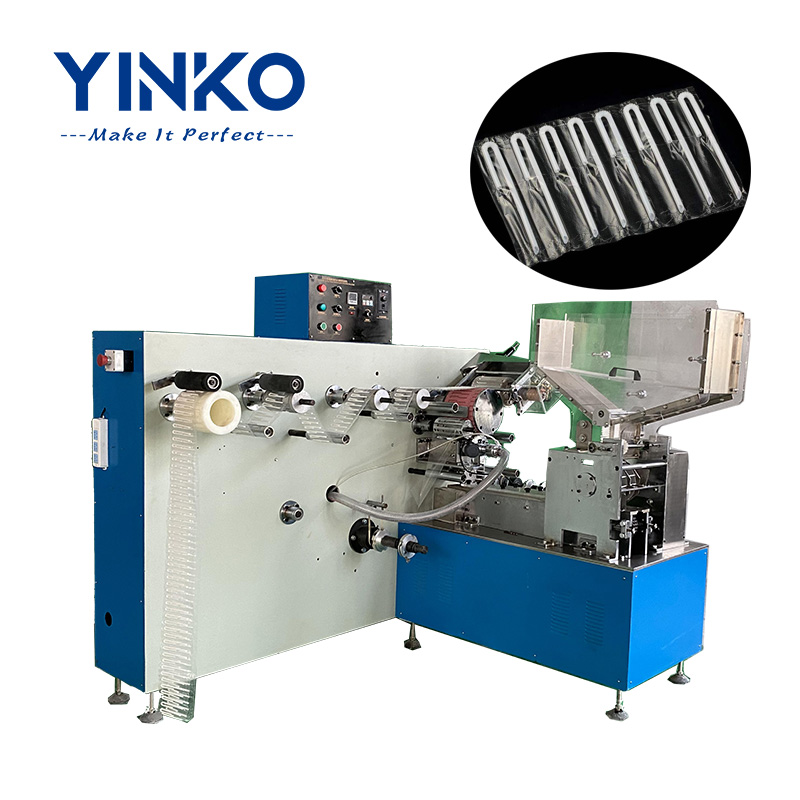
Fibre soft and slender substance with length to diameter ratio at least 10:1, the cross-sectional area less than 0.05mm2. For textile fibers, the ratio of length to diameter is generally greater than 1000:1. About textile fibers: Natural fiber, such as cotton, hemp, wool, silk and so on; Chemical fiber refers to natural or synthetic polymers as raw materials, through chemical methods and mechanical processing made as fiber. 1) According to the source of raw material: Regenerated fibre and Synthetic fibres 2) Classification by morphological structure: Continuous filament and Staple fibre During chemical fiber manufacturing process, spinning fluid (fusant or melt) after spinning forming and post-processing, the length of fiber is caiculated in kilometers is called chemical fiber filament. Chemical fiber filaments can be divided into monofil, multifilaments, twisted fibers, double twisted fibers, cord fibers and Textured filament. Monofilament: Multifilaments: Twist yarn: Double twist yarn: Cord wire: Textured filament yarn: The product of the chemical fiber is cut into few centimeters to dozen centimeters in length, it is called staple fiber. According to the different cut length, staple fibers can be divided into cotton type, wool type and medium long staple fibers. The length of Cotton type fibre is 30 ~ 40mm, the linear density is about 1.67dtex, the fiber is fine, similar to cotton. The length of Wool type fibre is 70 ~ 150mm, the linear density is 3.3 ~ 7.7dtex, the fiber is thicker, similar to wool; Mid fibre has a length of 51 ~ 65mm and a linear density of 2.2 ~ 3.3dtex, between cotton type and wool type. 3) Classification by fiber manufacturing method Chemical fibers can be divided into two categories according to the basic manufacturing methods, melt spinning fibers and solution spinning fibers (i.e. dry spinning fibers and wet spinning fibers). 4) Classification by composition within a single fiber 5) Classification by fiber difference Whether it is natural fiber or chemical fiber products: Hank yarn, package yarn, fabric, top, loose fiber etc., Wuxi Shin Tong Yunn Machinery
Rice Color Sorter Solution
Rice undergoes a series of processes during processing, including milling, polishing, and grading, and the rice color sorter plays a crucial role in this process.
- Impurity Detection: The rice color sorter can effectively identify and remove impurities from the rice, such as small stones, broken rice, and discolored grains, which is essential for improving rice quality.
- Color Sorting: Based on the color of the rice, the color sorter can separate normal rice from discolored or moldy grains, ensuring consistent color in the final product.
- Grading: The rice color sorter can perform precise grading based on different colors and appearance characteristics, meeting the diverse needs of various markets.
- Loss Reduction: By providing precise sorting, the color sorter can minimize losses caused by impurities or deteriorated rice, thereby enhancing production efficiency.
- Improving Product Image: Using a color sorter can enhance the visual quality of the rice, strengthening the brand image and increasing market competitiveness, making the product more appealing.
- Compliance with Standards: Many markets have strict quality requirements for rice, and using a color sorter helps produce products that meet these standards, increasing market access opportunities.
Specific Applications of Color Sorter in the Nut Industry
Color sorter technology plays a crucial role in the nut industry, enhancing product quality, safety, and efficiency. Here are some specific applications of color sorters in this sector:
1. Removal of Defective Nuts
Spotting Defects: Color sorter machines can detect defects such as black spots, mold, or discoloration on nuts. These defects are often indicators of spoilage or contamination, and removing such nuts helps ensure that only high-quality products reach the market.
Quality Assurance: By eliminating nuts with physical imperfections or undesirable color variations, color sorter improves the overall appearance and quality of the final product, which is essential for maintaining brand reputation and consumer satisfaction.
2. Contaminant Detection
Foreign Object Removal: Color sorter technology can help detect and remove foreign materials such as stones, metal fragments, or wood pieces that may be mixed with nuts. This is crucial for ensuring product safety and preventing potential hazards for consumers.
Mixing with Other Products: In cases where nuts are processed with other products or ingredients, color sorter helps segregate and remove non-nut materials or contaminants.
3. Sorting Different Nut Varieties
Variety Classification: Nuts come in various types and grades, each with distinct color profiles. Color sorter machines can sort nuts based on their color and appearance, which helps categorize different varieties and ensure that each type is packaged and marketed correctly.
Consistency in Product: Sorting nuts by variety ensures that each batch of nuts meets the specific quality standards expected by consumers and helps maintain consistency in product offerings.
4. Enhancing Aesthetic Appeal
Visual Uniformity: Nuts with inconsistent color or appearance can be unappealing to consumers. Color sorter technology helps ensure the nuts are visually uniform, improving their market appeal and potentially commanding a higher price.
Brand Image: A well-presented product can enhance brand image and consumer trust. Consistently high-quality, visually appealing nuts help reinforce brand reputation and can lead to increased consumer loyalty.
5. Automating Production Processes
Efficiency: Traditional manual sorting of nuts is labor-intensive and time-consuming. Color sorter machines automate the sorting process, significantly increasing production speed and reducing labor costs.
Accuracy and Consistency: An automated color sorter ensures that each nut is assessed based on consistent criteria, leading to more accurate sorting and fewer errors compared to manual methods.
6. Optimizing Product Yield
Minimizing Waste: By effectively separating defective or non-standard nuts, color sorter helps reduce waste and increase the overall yield of marketable products. This contributes to more efficient use of raw materials and improved profitability.
Processing Efficiency: Efficient sorting means that only the best quality nuts are processed further, which can improve the efficiency of subsequent processing stages and reduce the incidence of rework or disposal of substandard products.
7. Practical Examples
Almonds: For almonds, color sorter machines can sort out those with defects such as dark spots or off-color kernels. This helps ensure that only premium almonds are packaged and sold.
Cashews: Cashew processing benefits from color sorter by removing broken or discolored nuts, ensuring that only whole, high-quality cashews are included in the final product.
Pistachios: Color sorter technology helps to identify and remove pistachios that are improperly colored or have shell defects, improving the overall quality and appearance of the product.
In summary, color sorter technology in the nut industry not only ensures higher quality and safer products but also enhances operational efficiency and product appeal. Its applications help producers meet consumer expectations and maintain a competitive advantage in the market.
The Working Principle of The Color Sorter
Color Sorter is a highly efficient automated device widely used in food processing, mining, and chemicals to ensure product quality. Its working principle can be divided into the following key steps:
-
Feeding System: The materials to be sorted are delivered to the feed inlet via a conveyor belt. The feeding device starts vibrating, spreading the material evenly on the feed chute. Under the action of the vibrating chute, the material automatically forms a continuous linear arrangement and enters the photoelectric detection system at a constant speed.
-
Photoelectric Detection System: The machine is equipped with an LED light source inside, providing stable and uniform illumination for the material to ensure the most accurate color is displayed during detection. High-resolution cameras and sensors capture images of the material under specific lighting and send them to the image processing center for identification.

-
Image Processing System: The acquired images are transmitted to the control system. Hawit’s independently developed algorithm analyzes the color, shape, and size characteristics of each object. Using this algorithm, the system compares the material's features with preset standards (such as color differences between qualified and defective products) to quickly identify the materials that need to be removed.
-
Execution System: Once defective material is detected, high-pressure air valves control the opening and closing of high-pressure gas according to preset instructions. The air nozzles then blow the non-compliant material into the waste bin.
-
Output System: After processing, the finished products and waste are separately sorted into different discharge outlets, ensuring efficient sorting is achieved.
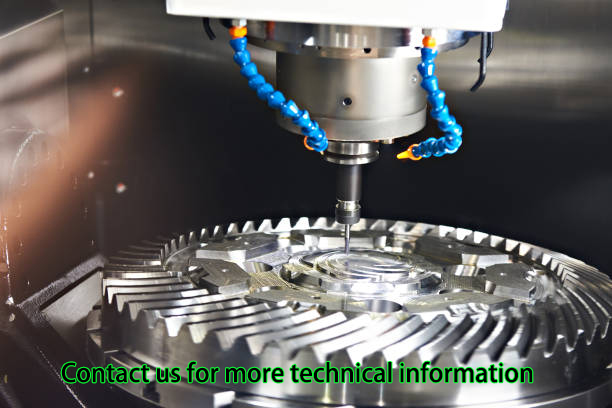
Tips and Tricks for Maximizing the Efficiency of the Moving Column Double-Column Machining Center YSMD-8042
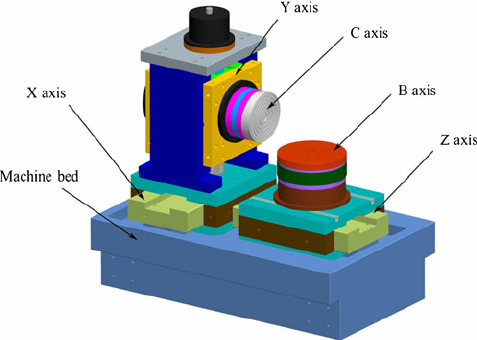
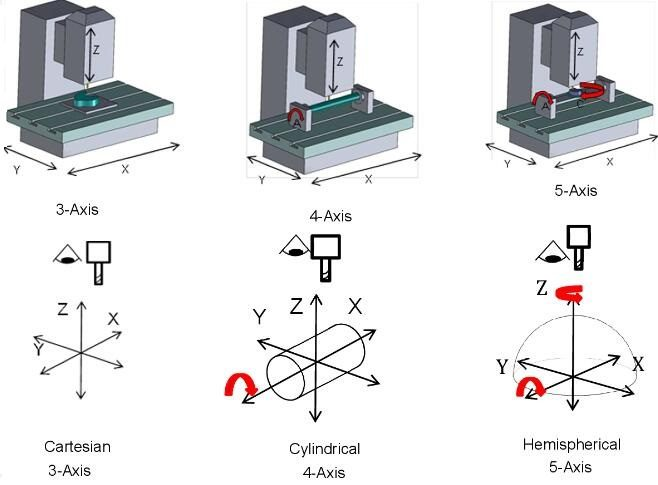
The Moving Column Double-Column Machining Center YSMD-8042 is a powerful and versatile machine that offers exceptional precision and performance. Ideal for the medical industry enthusiasts, this gantry machining center can revolutionize your manufacturing processes. To help you make the most of this advanced technology, we have compiled a comprehensive list of tips and tricks. So, let’s dive in!
1. Familiarize Yourself with the Machine’s Features and Specifications
Before you begin using the Moving Column Double-Column Machining Center YSMD-8042, take the time to thoroughly understand its features and specifications. Familiarize yourself with its control panel, software interface, and different machining modes. This knowledge will enable you to utilize the machine to its full potential and achieve optimal results.
2. Plan Your Process and Set Up Proper Tooling
Efficient planning is crucial when working with a machining center. Determine the specific steps and cutting tools required for your project to avoid unnecessary delays. Proper tooling is vital to ensure accurate and effective machining. Choose the right tools based on the materials you are working with and pay attention to tool alignment and installation.
3. Optimize Cutting Parameters
To achieve desired results and maximize efficiency, it is important to optimize the cutting parameters. Adjust the feed rate, spindle speed, and cutting depth according to the material being worked on. Experiment with different parameters to find the optimal settings for your specific application.
4. Keep the Machine Clean and Well-Maintained
Regular maintenance is key to keep your Moving Column Double-Column Machining Center YSMD-8042 in excellent condition. Clean the machine regularly, removing any swarf, debris, or coolant residues. Lubricate moving parts as recommended by the manufacturer. Regularly inspect and replace worn-out parts to prevent any disruptions in production.
5. Leverage Advanced Software Capabilities
Explore the advanced software capabilities of the machine to enhance productivity. The Moving Column Double-Column Machining Center YSMD-8042 may include features such as CAD/CAM integration, simulation capabilities, and toolpath optimization. Take advantage of these functions to streamline your workflow and improve machining efficiency.
6. Ensure Operator Training and Safety
Proper training for operators is essential to utilize the machine effectively. Invest in training programs to empower your team with the necessary skills and knowledge. Emphasize safety protocols to ensure a secure working environment and prevent accidents or machine damage caused by human error.
7. Regularly Upgrade to Stay Ahead
Machine technology is continuously evolving, with new features and functionalities being introduced regularly. Stay updated with the latest advancements by regularly upgrading your machine and software. This will enable you to stay competitive in the ever-changing medical industry.
In conclusion, the Moving Column Double-Column Machining Center YSMD-8042 has the potential to revolutionize the manufacturing processes in the medical industry. By following these tips and tricks, you can maximize the efficiency and effectiveness of this advanced gantry machining center. Empower your team with the necessary skills and knowledge, keep the machine well-maintained, and explore the software capabilities to stay ahead in the industry. Get ready to take your manufacturing to new heights with this powerful machine!
Advantages and disadvantages of drone spraying
Drone spraying is a new type of operation method in technological development. High work efficiency, suitable for large-scale agricultural pest control. This is tens or hundreds of times more than physical labor. It can complete tasks that are easy to manually complete, such as forest and mountain forest operations. So how effective are unmanned aerial vehicles used for medicinal purposes on rural land?
Things often have two sides, namely advantages and disadvantages. Drone spraying is no exception, each with its own advantages and disadvantages. The advantage is that the spraying speed is fast. The crop protection drones used for agricultural spraying are generally multi rotor aircraft, much larger than typical small aerial photography drones, with longer endurance and much faster speed. Not to mention, compared to manual spraying, the spraying efficiency of aircraft is hundreds of times higher.
In addition, crop protection drones can adopt two control methods: manual remote control and satellite guided control. Usually, large plots use satellite navigation to control spraying. For land parcels, seamless spraying can be achieved without losing crops. No matter how slow and careful manual spraying is, there will always be omissions at the beginning, which machines cannot match
The spraying quality is also very high. The principle of drone spraying is to install the medicine box on the body of the drone, open the valve after the drone takes off to discharge the medicine, and then use the strong wind generated by the high-speed rotation of the drone blades to atomize and blow down the medicine. Due to the strong atomization and falling of drugs by the wind, the adhesion and diffusion rate of drugs is higher than traditional manual spraying, so the effect of spraying drugs in this way is higher than manual spraying.
In fact, there are many potential safety hazards hidden in drones, and some issues have also been documented in previous reports. For example, during the process of spraying pesticides, if no pesticides are sprayed into the river, all organisms in the river will be poisoned. A clear river on the horizon is easily destroyed. If there are artificially cultivated aquatic products in the Tianbian River, it is easy to become an economic dispute if such a problem is encountered.
In addition, the promotion of drone pesticide spraying in modern rural areas is insufficient, and there are many regulatory loopholes. Relevant departments need to introduce policies to guide and manage it correctly, avoid irreparable losses caused by technical errors, and ensure the safety of drone pesticide spraying.
Therefore, if rural areas want to implement drone pesticide spraying, corresponding technical support must be provided first, and drone training must be provided to farmers to ensure that they use drones in the correct situations, thereby avoiding many problems. As long as they have sufficient technology, they must maintain consistency in the spraying process.
In addition, due to its fast speed, the effect of uniform application is poor. The drone spray passes through instantly, making it difficult to mix evenly and thoroughly. The only way to overcome the problem of uneven and thorough beating is to increase the concentration of the liquid medicine, thereby increasing the investment cost. For example, when spraying drugs in cotton fields, UAV spray can not kill cotton bollworm in cotton buds, aphids on the back and bottom of leaves.
Only by absorbing crops can endogenous pests be dealt with, and some pests may not be killed by endogenous agents but can only be dealt with through contact. The main disadvantage of manual spraying is slow speed, making it difficult to spray at high altitudes. It has the advantage of uniform application, which can evenly and thoroughly hit crops up and down. Save technical solutions.
Although there are many advantages to using drones to spray pesticides, such as high efficiency and good quality, there are also certain limitations. For example, it depends on weather conditions. It cannot take off in bad weather and cannot work all day. It is only suitable for the vast northern regions, while the southern mountainous and hilly areas are not particularly suitable for large-scale operations.
Generally speaking, using drones to spray pesticides on farmland is very cost-effective. Short time, uniform spraying, and affordable price. Therefore, more and more farmers are gradually choosing to use drones to spray pesticides on crops. There are also many smart young people who see the vast prospects of this industry, specializing in drone spraying, and the profits are still considerable.
Drones are a manifestation of high-tech technology applied in agriculture, and are a progressive product of the combination of modern technology and traditional agriculture. From an efficiency perspective, it is indeed higher than manual spraying. From a practical perspective, it cannot be compared to manual operation. Drones can only spray on the front of crops, but cannot spray on the back of crops.
When spraying pesticides, unmanned aerial vehicles also pay attention to the weather. Due to strong winds and heavy fog, it is impossible to operate, and manual operation can completely ignore this situation. Therefore, unmanned operation has its own advantages, and manual operation also has its advantages, which should be complementary. We cannot veto drones with one vote. We should view new things from a developmental perspective. Although there are drawbacks to drone operation, it is an assistant for the future development of agriculture.
Development history of agricultural drones
The development process of agricultural drones can be divided into several important stages, each with its unique characteristics and milestones.
Initial stage: Concept machine and demonstration machine
Conceptual stage (2010-2012): This stage mainly involves the dissemination of concepts, and the operational capabilities of crop protection drones are very limited, mainly used for small-scale demonstrations and testing within the industry.
Demonstration stage (2013-2015): With the advancement of technology, crop protection drones began to be demonstrated in farmland. Although their operational capabilities have improved, they have not yet reached the standard for large-scale application.
Development stage: trial application and batch application
Trial application stage (2016-2017): Plant protection drones began to be practically applied in farmland, and more and more practitioners entered this industry, further verifying the industry model and operational capabilities.
Batch application stage (2018-2020): Plant protection drones have the ability to make money, their business models and service capabilities are gradually maturing, and more social resources are entering this industry.
Mature stage: Wide application and future trends.
Widely used stage (2021 present): Plant protection drones have been fully accepted by the industry and cannot be replaced. All social resources know their purpose and have become a mature industry.
Future trend: Plant protection drones will further become intelligent and precise, improving operational efficiency and effectiveness while reducing costs and meeting the diverse needs of farmers.
Technological progress and market application
The development of crop protection drone technology is also accompanied by the continuous expansion of the market. Abroad, Japan developed the world's first crop protection drone in 1987 and currently has over 5000 in stock. Since 2004, China has been researching and promoting unmanned aerial vehicles (UAVs) for crop protection. By 2019, the number of UAVs in operation had reached 55000, covering an area of 33 million hectares. The advancement of policies and technology has also driven the rapid development of crop protection drones in China.
Key technologies and market acceptance
The key technologies of crop protection drones include power systems, flight control, and spraying systems. In the early days, it was mainly oil powered aircraft, but with the rise of electric drones, electric drones gradually became the mainstream in the market due to their cost-effectiveness and environmental friendliness. In terms of market acceptance, farmers have gradually shifted from a wait-and-see attitude to acceptance and recognition, and crop protection drones have become an indispensable tool in agricultural production.

Future prospects of electromagnetic acoustic transducer testing
Electromagnetic acoustic transducer testing technology has broad prospects for development in the future, with significant advantages and potential application value. As an emerging non-destructive testing technology, this technology has the characteristics of high precision, no need for coupling agent, non-contact, suitable for high-temperature testing, and easy to excite various ultrasonic waveforms. Therefore, it has received widespread attention and attention in the field of industrial testing. With the advancement of science and technology and the increasing demand for precise monitoring, electromagnetic acoustic transducer testing technology is expected to play a more important role in various fields and further promote the development and progress of human society.
The future development of electromagnetic acoustic transducer testing technology is mainly reflected in the following aspects:
High temperature detection capability: By configuring high-temperature probes, electromagnetic acoustic transducer testing technology can adapt to high-temperature on-site testing up to 800°C, and automatically compensate for changes in sound velocity to make the thickness measurement more accurate. This feature makes it have great potential in high-temperature industrial applications.
Rich application scenarios: By adopting electromagnetic acoustic transducers of different configurations, the excitation and reception of various ultrasonic waveforms can be realized, which greatly enriches the application scenarios of electromagnetic acoustic transducer testing technology. This not only improves the detection efficiency, but also enables the technology to adapt to more industrial detection needs.
Possibility of online monitoring: electromagnetic acoustic transducer testing technology does not require the use of coupling agents, which makes it possible to achieve online monitoring. Online monitoring can monitor the status of industrial equipment in real time, detect potential problems in a timely manner, and thus improve production efficiency and safety.
Although electromagnetic acoustic transducer testing technology still has problems such as low transducer conversion efficiency and poor detection effect on coarse-grained materials that need further research and development, these problems will be gradually solved with the continuous advancement and improvement of technology. Overall, the future development prospects of electromagnetic acoustic transducer testing technology are very optimistic, and it will bring more innovations and breakthroughs to the field of industrial testing.
Electromagnetic acoustic transducer testing technology has broad development prospects in the future and has significant advantages and potential application value. As an emerging non-destructive testing technology, this technology has the characteristics of high precision, no need for coupling agents, non-contact, suitable for high-temperature testing, and easy to excite various ultrasonic waveforms. Therefore, it has received widespread attention and attention in the field of industrial testing. With the advancement of science and technology and the increasing demand for precise monitoring, electromagnetic acoustic transducer testing technology is expected to play a more important role in various fields and further promote the development and progress of human society.
The future development of electromagnetic acoustic transducer testing technology is mainly reflected in the following aspects:
High temperature detection capability: By configuring high temperature probes, electromagnetic acoustic transducer testing technology can adapt to high temperature on-site detection up to 800℃, and by automatically compensating for changes in sound velocity, the thickness measurement value is more accurate. This feature makes it have great potential in high temperature industrial applications.
Rich application scenarios: By adopting electromagnetic acoustic transducer of different configurations, various ultrasonic wave types can be excited and received, which greatly enriches the application scenarios of electromagnetic acoustic transducer testing technology. This not only improves the detection efficiency, but also enables the technology to adapt to more industrial detection needs.
Possibility of online monitoring: electromagnetic acoustic transducer testing technology does not require the use of coupling agents, which makes it possible to achieve online monitoring. Online monitoring can monitor the status of industrial equipment in real time, detect potential problems in time, and thus improve production efficiency and safety3.
Although electromagnetic acoustic transducer testing technology still has problems such as low transducer conversion efficiency and poor detection effect on coarse-grained materials that need further research and development, these problems will be gradually solved with the continuous advancement and improvement of technology. Overall, the future development prospects of electromagnetic acoustic transducer testing technology are very optimistic, and it will bring more innovations and breakthroughs to the field of industrial testing.
How does a high-voltage power transformer work
High voltage transformer is a type of electrical equipment mainly used to convert voltage from the high voltage end to the low voltage end. It is mainly composed of iron core and winding. The iron core is made of highly magnetic conductive material to provide a strong magnetic circuit, while the winding is used to carry current and generate a magnetic field. The following is a brief introduction to the working principle, operation, and maintenance of high-voltage transformers.
1. Working principle:
High voltage transformers work using the principle of electromagnetic induction. When a high-voltage power supply is connected to one side of the winding, current flows through the winding, generating a magnetic field. The magnetic field passes through the iron core and then senses along the winding on the other side. According to Faraday's law, when the magnetic flux changes on the other winding, an induced electromotive force is generated. According to the winding ratio, the induced electromotive force will change the voltage at the output terminal.
2. Running process:
During operation, high-voltage transformers rely on external power sources to provide electrical energy. The voltage of the high-voltage power supply is connected to a high-voltage winding, while the low-voltage winding is connected to the equipment that uses electrical energy. When an external power source is powered on, high voltage current passes through the high voltage winding, forming a magnetic field. The magnetic field passes through the iron core and induces the voltage on the low-voltage winding. In this way, the voltage of the high-voltage power supply will be converted into low-voltage voltage and supplied to the equipment in use.
3. Maintenance:
In order to maintain the normal operation of high-voltage transformers and extend their lifespan, the following points need to be noted:
-Regularly inspect the windings and iron cores for damage, corrosion, or looseness. If there are any problems, they need to be repaired or replaced in a timely manner.
-Check the insulation status of the winding to ensure that the insulation is intact. If insulation damage is found, it must be repaired in a timely manner.
-Clean and maintain the cleanliness of the surrounding environment of the transformer to prevent dust or impurities from entering the transformer and causing malfunctions.
-Regularly inspect and replace the insulation oil inside the transformer to ensure good quality of insulation oil and maintain stable insulation performance.
-Monitor the temperature and humidity of the transformer to ensure they are within the normal range. If the temperature is abnormally high or the humidity is too high, timely measures should be taken to adjust or repair it.
The above brief introduction to the working principle, operation, and maintenance of high-voltage transformers can help understand the basic principles and operating points of high-voltage transformers.
How to control drones
With the rapid development of technology, drones, as a new type of intelligent aircraft, have been widely used in various fields such as aerial photography, agriculture, logistics, and rescue. So, how do drones achieve precise control? This article will provide a detailed answer to this question regarding the control principles, control systems, control methods, and future development trends of unmanned aerial vehicles.
1. Control principle of unmanned aerial vehicles
The control principle of unmanned aerial vehicles is mainly based on aviation mechanics, electronic technology, and control theory. Its core lies in real-time monitoring and adjustment of the attitude, speed, altitude and other parameters of the drone through its internal flight control system, in order to achieve stable flight and precise control.
The drone flight control system usually consists of three parts: sensors, controllers, and actuators. Sensors are responsible for collecting information such as the attitude, speed, and altitude of drones. The controller calculates control instructions based on this information and then drives the drone to perform corresponding actions through actuators such as motors and servos.
2. Control system of unmanned aerial vehicle
The control system of unmanned aerial vehicles is the key to achieving precise control. Generally speaking, the control system of a drone includes two parts: ground control system and onboard control system.
The ground control system mainly consists of remote controllers, ground stations, and other equipment. The remote control communicates with the drone through wireless signals, and the operator can issue control commands through the remote control to control the drone's takeoff, landing, flight trajectory, etc. The ground station is responsible for higher-level task planning, data processing, and real-time monitoring functions.
The onboard control system mainly includes flight control board, sensors, actuators, etc. The flight control board is the "brain" of the drone, responsible for processing information from sensors and calculating control commands. Sensors are responsible for collecting various status information of drones, such as attitude, speed, altitude, etc. The executing mechanism drives the various components of the drone to perform corresponding actions according to the instructions of the flight control board.
3. Control method of unmanned aerial vehicle
There are various control methods for drones, including manual control, automatic control, and hybrid control.
Manual control is the most direct control method, where operators issue commands through a remote control to control the flight of the drone. This method requires operators to have certain flying skills and experience, but can achieve high flexibility and real-time performance.
Automatic control is the use of pre-set programs or algorithms to enable drones to autonomously complete flight tasks. This method does not require manual intervention and can greatly improve the stability and efficiency of flight. For example, in the field of aerial photography, drones can automatically capture images through pre-set routes, greatly reducing the burden on operators.
Hybrid control is a combination of manual control and automatic control, which retains the flexibility of manual control while leveraging the stability advantage of automatic control. In practical applications, operators can flexibly choose control methods based on task requirements and environmental changes.
4. The development trend of drone control technology
With the continuous development of technologies such as artificial intelligence and big data, drone control technology is also constantly advancing. In the future, drone control technology will present the following development trends:
- Intelligence: By introducing artificial intelligence algorithms, unmanned aerial vehicles can achieve autonomous decision-making and intelligent obstacle avoidance functions, improving flight safety and efficiency.
- Clustering: Through drone clustering technology, multiple drones can collaborate to improve task execution efficiency and reduce costs.
- Cloudization: With the help of cloud computing and big data technology, real-time transmission and processing of drone data can be achieved, providing strong support for decision-making.
- Standardization: With the continuous expansion of the drone market, the standardization and normalization of drone control technology will become an inevitable trend, which will help promote the healthy development of the drone industry.
In summary, the control of Agricultural drones involves multiple fields such as aviation mechanics, electronic technology, and control theory, achieving precise control through flight control systems, control systems, and various control methods. With the advancement of technology, drone control technology will continue to develop towards intelligence, clustering, cloud computing, and standardization, providing more efficient, secure, and convenient support for applications in various fields. In the future, drones will play an important role in more fields, bringing more convenience and possibilities to human production and life.